How to Transplant Softleaf sedge?
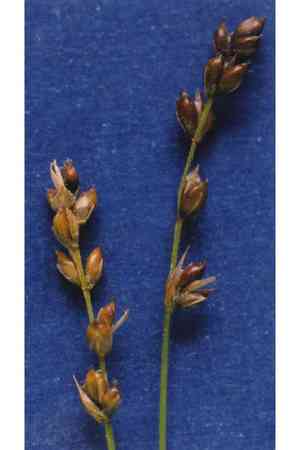
Softleaf sedge flourishes when relocated from late spring through early summer or from early to mid-autumn, benefiting from moderate temperatures. Select areas with shade and ample moisture for best development. Provide consistent watering to ensure proper rooting.
Preparations Required Before Relocating Softleaf Sedge?
Optimal Period for Moving Softleaf Sedge?
The best seasons for relocating softleaf sedge span from late spring to early summer and early to mid-fall. This timing coincides with the plant's active development phases, enabling it to develop a strong root system before the intense heat of summer or the cold of winter. Transplanting during these periods ensures peak growth and resilience, promoting better adaptation and survival.
Recommended Spacing Between Softleaf Sedge Plants?
Position your softleaf sedge plants 12-18 inches (30-45 cm) apart. This spacing guarantees sufficient room for them to expand and flourish without becoming overcrowded. Remember, providing ample space for your plants aids in improved air circulation and more vigorous growth!
Ideal Soil Blend for Softleaf Sedge Relocation?
For softleaf sedge, utilize well-draining soil enriched with organic matter. Before transplanting, incorporate a base fertilizer formulated for perennials into the soil to give your plants a strong start. Aim for a loamy soil type with a neutral to slightly acidic pH for optimal outcomes.
Where to Replant Your Softleaf Sedge?
Select a site for softleaf sedge that receives partial to full shade. These plants prefer indirect sunlight, so avoid placing them in areas exposed to harsh afternoon sun. A location with filtered sunlight or light shade will help them thrive beautifully.
Equipment to Prepare Before Transplanting Softleaf Sedge?
Gardening Gloves
To safeguard your hands while handling soil and plants.
Shovel or Spade
For excavating the plant from its original spot and digging a new hole at the destination.
Trowel
To assist in digging smaller, more precise holes and carefully moving the plant.
Watering Can or Hose
To hydrate the plant before and after its relocation.
Wheelbarrow or Bucket
For transporting the plant if the new site is distant from its initial position.
Pruning Shears
To trim any damaged foliage or roots prior to planting at the new location.
How to Extract Softleaf Sedge from the Soil?
How to Extract Softleaf Sedge from the Soil?
From Ground: First, moisten the softleaf sedge plant by watering the soil. Next, dig a wide trench around the plant using a shovel or spade, ensuring the plant's root ball remains intact. Carefully work the spade beneath the root ball to lift the plant from its original spot.From Pot: Thoroughly water the softleaf sedge plant. Gently tap the pot's sides to loosen the soil, then tilt the pot to slide the plant out, supporting the root ball with your hand. If it's stuck, you can run a trowel along the edges to free it.From Seedling Tray: Water the seedlings thoroughly. Use a trowel or your fingers to carefully lift each seedling from the tray, supporting the root system gently. Take your time to prevent damage to the delicate roots.
Detailed Steps for Transplanting Softleaf Sedge
Preparation
Water the softleaf sedge plant at its current location, as well as the new planting site, to ensure the soil is damp and manageable.
Digging Hole
At the new site, excavate a hole approximately twice the width and the same depth as the softleaf sedge plant's root ball to provide ample room for root expansion.
Removal and Transport
Gently extract the softleaf sedge plant from its original spot using the appropriate method for ground, pot, or seedling tray. If necessary, move the plant to the new location using a wheelbarrow or bucket.
Placement in New Site
Position the softleaf sedge plant in the hole, ensuring the top of the root ball is level with the surrounding soil. Backfill the hole with the excavated soil, gently pressing it down to eliminate air pockets.
Watering
Thoroughly water the softleaf sedge plant immediately after transplanting to help settle the soil and minimize transplant shock.
Mulching
Apply a layer of mulch around the plant's base to help retain moisture and inhibit weed growth.
Post-Transplant Care for Softleaf Sedge
Watering
Maintain consistent moisture in the soil around the softleaf sedge, avoiding sogginess, for the initial weeks after transplanting to encourage strong root development.
Monitoring
Regularly inspect the softleaf sedge for indications of stress, such as wilting or yellowing leaves, and address any issues promptly.
Protection
Consider providing shade or a light covering for the softleaf sedge during particularly hot or windy conditions to reduce plant stress.
Feeding
After a few weeks, consider a light application of fertilizer suitable for perennial plants to support new growth and establishment.
Resolving Common Issues with Softleaf Sedge Transplantation.
When is the optimal time to transplant softleaf sedge?
Relocate softleaf sedge in late spring to early summer or early to mid-fall for best outcomes.
What soil type is ideal for softleaf sedge?
Softleaf sedge thrives in moist, well-drained soils rich in organic matter.
How much space should I leave between plants?
Space each softleaf sedge plant 12-18 inches (30-45 cm) apart to ensure proper growth.
How do I prepare the soil before transplanting softleaf sedge?
Incorporate compost into the soil to enhance drainage and fertility before relocating softleaf sedge.
Should softleaf sedge be watered immediately after transplanting?
Yes, thoroughly water softleaf sedge right after transplanting to aid in root establishment.
How deep should I plant softleaf sedge?
Plant softleaf sedge at the same depth it was in its original container.
What should I do if softleaf sedge shows signs of transplant shock?
Water consistently and provide partial shade to help softleaf sedge recover from transplant shock.
Is mulching necessary after transplanting softleaf sedge?
Mulching around softleaf sedge helps retain moisture and suppress weeds, aiding in healthy growth.
How often should softleaf sedge be watered after transplanting?
Water softleaf sedge regularly, keeping the soil consistently moist but not waterlogged.
What kind of fertilizer should be used for softleaf sedge?
Use a balanced, slow-release fertilizer to promote healthy growth of softleaf sedge.



