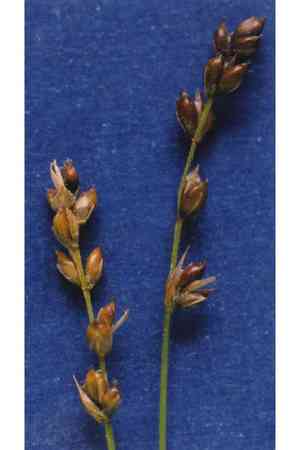
Softleaf sedge (Carex disperma)
Also known as: Fine-leaved sedge
The butterfly bush (Buddleja) is characterized by its elongated stems adorned with clusters of tiny blossoms. This plant plays a significant role in wildlife support, particularly attracting and sustaining a variety of butterfly and moth species.
In This Article
Attributes of Softleaf sedge
Lifespan
Perennial
Plant Type
Grass
Plant Height
15 cm to 61 cm
Spread
0.8 mm to 1.5 mm
Leaf Color
Green
Flower Size
N/A
Flower Color
Green to brown
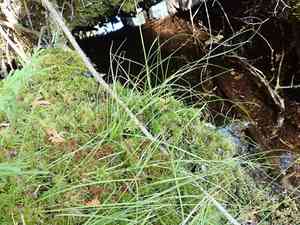
Images of Softleaf sedge
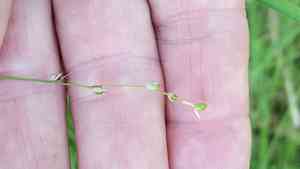
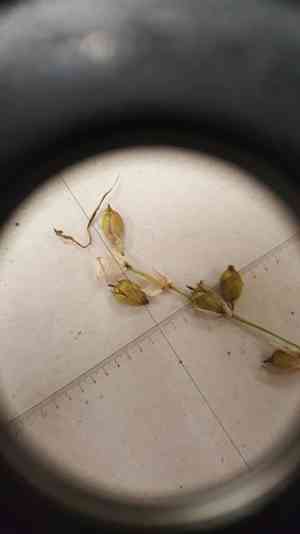
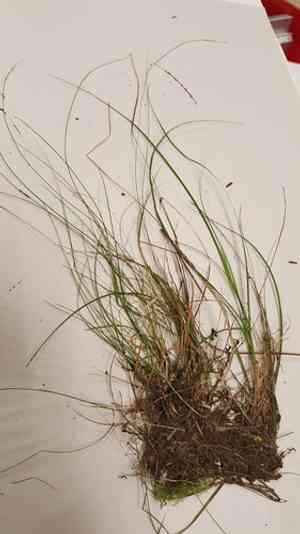
Quickly Identify Softleaf sedge
1
This species can be identified by its delicate, grass-like leaves and its small, two-seeded spikelets. The spikelets are often clustered together, and the plant exhibits a characteristic zig-zagging stem.
Scientific Classification of Softleaf sedge
Phylum
Vascular plants
Class
Monocotyledons
Order
Poales
Family
Sedge
Genus
True sedges
Species
Softleaf sedge
Planting and Growing of Softleaf sedge
Care Difficulty
Moderate
Watering Schedule
Every 2 days
Sunlight Requirements
Full shade
Sunshine Duration
6-12 hours
Ideal Temperature
60-75℉
Soil Type
Potting Mix, Peat Mix
Soil pH
4.5-7.5
Fertilizer Type
Balanced
Pruning Season
Spring, Summer
Pruning Area
Branches, Leaves
Pruning Frequency
2 times a year
Repotting Season
Spring
Pot Type
Plastic, Terracotta
 How to Water Softleaf sedge?
For Carex disperma, the watering amount should typically be around 200 ml per session. It is crucial to ensure that the soil is moist but not waterlogged. Always aim to provide enough water to reach the plant's roots without allowing water to stagnate, which can cause root rot.
What are the symptoms of an underwatered Softleaf sedge?
›
What should I do if my Softleaf sedge is not getting enough water?
›
What are the symptoms of an overwatered Softleaf sedge?
›
How to save an overwatered Softleaf sedge?
›
 What Are the Sunlight Requirements for Softleaf sedge?
The ideal light for Carex disperma falls under partial to full shade. It benefits from filtered light that mimics its natural woodland environment, enhancing health and foliage vibrancy.
What type of light does Carex disperma prefer?
›
How do I achieve the ideal lighting conditions for this plant?
›
What are the benefits of ensuring ideal light conditions?
›
 What Is the Ideal Temperature Range for Softleaf sedge?
Carex disperma thrives best within a temperature range of 60 to 75 degrees Fahrenheit. This range ensures optimal growth conditions since these temperatures mimic the cooler environments typically found in this plant's native habitats. Staying within this range allows the plant to photosynthesize efficiently, utilize soil nutrients, and resist typical diseases, ensuring healthy growth.
 What Soil is Best for Softleaf sedge?
Carex disperma thrives in soils that have good moisture retention. This need for moisture ensures the plant has constant access to water, aiding in their growth and keeping them lush and vibrant throughout different seasons. The plant favors nutrient-rich soils that support its robust growth. These soils offer key nutrients that encourage healthy leaf and root development, ensuring the plant remains strong and resistant to harsh conditions. Soils with good aeration are crucial for Carex disperma, preventing root rot by allowing excess water to drain while retaining enough moisture, subsequently facilitating effective gas exchange at the root level.
 How to Fertilize Softleaf sedge?
For Carex disperma, it's important to be mindful of the fertilizing amounts. Given its natural adaptation to nutrient-poor environments, apply a balanced liquid fertilizer at half the recommended strength. When using slow-release granules, sprinkle lightly around the root zone following the package instructions, but always err on the side of caution, using less than more.
 How to Prune Softleaf sedge?
Begin by cutting away any dead, damaged, or diseased leaves. This will not only improve the plant's appearance but also promote healthy new growth. If certain areas are overly dense, selectively remove some stems to improve light penetration and airflow. This step is crucial for preventing mold and encouraging even growth.
More About Pruning Techniques→
 How to Propagate Softleaf sedge plant?
1
Begin by collecting seeds after they mature on the plant. They should be dried for a few days to prevent mold growth when stored. Before planting, you might want to scarify or soak the seeds overnight in water to encourage germination.
2
Carex disperma can also be propagated by dividing its rhizomes. In early spring, dig up the parent plant and gently separate the rhizomes using a sharp, sterilized knife. Each division should have roots attached to ensure successful establishment when replanted.
3
Whether starting from seeds or divided rhizomes, plant them in well-draining soil, maintaining a consistent moisture level, especially during initial growth stages. Place seeds in seed trays, covering them lightly with soil, while ensuring rhizomes are firmly planted in garden beds.
 How to Repot Softleaf sedge plant?
1
Carex disperma tends to signal its need for repotting when its roots start encircling the pot's interior or when growth becomes sluggish, often visible through yellowing leaves. Early spring or autumn is ideal, as the plant's energy is being directed into root development, not leaf growth, ensuring a smooth transition.
2
Opt for a pot that's one to two sizes larger than the current one, enabling ample root expansion. A container with drainage holes is crucial to prevent root rot, as it allows excess water to escape, maintaining optimal humidity without waterlogging.
3
Select a well-draining, loamy soil mix to offer the perfect balance of moisture retention and air permeability. This will mimic the natural conditions native to Carex disperma, reducing the risk of overwatering and promoting healthy root growth.
Learn More About Softleaf sedge Diseases
Anthracnose
Bacterial Leaf Spot
Bacterial Soft Rot
Chemical Injury
Damping-off
Downy Mildew
Drought Stress
Fusarium Wilt
Gray Mold
Leaf Spot
Mosaic
Nutrient Deficiency
Nutrient Toxicity
Powdery Mildew
Root Rot
Root-knot Nematode
Rusts
Sooty Mold
Spider Mites
Temperature Stress
Thrips Damage
White Mold



