How to Transplant Brownish sedge?
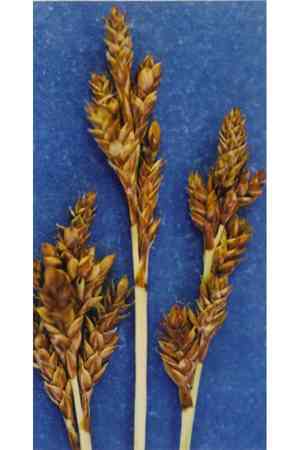
Brownish sedge flourishes most effectively when relocated from late spring to the middle of summer. This period capitalizes on prime growing circumstances. Select a location offering partial shade and damp, adequately draining earth.
Necessary Preparations Before Moving Brownish Sedge
Optimal Period for Relocating Brownish Sedge?
The best time to move brownish sedge is from late spring to early summer. This timeframe allows the perennial to establish its root system prior to the intense heat of mid-summer. Transplanting brownish sedge during this window maximizes its growth potential and ensures robust development, leading to stronger, healthier plants.
Required Spacing Between Brownish Sedge Plants?
When planning to relocate brownish sedge, ensure each plant is positioned 12-18 inches (30-45 cm) apart. This spacing provides ample room for growth and spread without overcrowding, fostering healthy development.
Ideal Soil Mixture for Brownish Sedge Relocation?
Prepare the soil for brownish sedge relocation by selecting a loamy or sandy soil with good drainage. Before planting, incorporate a foundational fertilizer rich in organic matter to enhance soil fertility and aid rapid root establishment.
Preferred Location for Your Brownish Sedge?
Choose a planting site where brownish sedge can receive partial to full shade. This plant thrives best without direct, harsh sunlight, so select a spot that offers filtered light for optimal growth.
Equipment to Prepare Before Transplanting Brownish Sedge
Gardening Gloves
To safeguard your hands while handling soil and plants.
Shovel or Spade
For excavating the plant and preparing the new planting site.
Garden Trowel
To assist with more precise digging and planting tasks.
Watering Can or Hose
For hydrating the plant before and after its relocation.
Wheelbarrow
To move the plant and soil if necessary.
Mulch
To help maintain soil moisture and prevent weed growth around the newly planted specimen.
Method for Extracting Brownish Sedge from the Ground
Method for Extracting Brownish Sedge from the Ground?
From Ground: First, moisten the brownish sedge plant to dampen the soil. Next, dig a wide trench around the plant using a shovel or spade, ensuring the plant's root ball remains intact. Carefully work the spade beneath the root ball to lift the plant from its original spot.From Pot: Thoroughly water the brownish sedge plant before removal. Tilt the pot sideways and gently tap its sides to loosen the soil and roots. Carefully ease the plant out, holding the base of the stem and supporting the root ball.From Seedling Tray: Gently water the seedlings before removal. Use a garden trowel or your hand to carefully separate the seedlings from the tray, taking care not to harm the roots. When handling, hold the seedlings by their leaves, not their stems.
Step-by-Step Guide for Relocating Brownish Sedge
Site Preparation
Prepare the new planting site by digging a hole that is twice as wide and equally as deep as the brownish sedge plant's root ball.
Soil Enhancement
If the new soil requires improvement, mix in organic matter to create a suitable environment for the brownish sedge plant.
Plant Positioning
Place the brownish sedge plant in the center of the hole, ensuring the top of the root ball is level with the surrounding soil surface.
Backfilling
Gently refill the hole with the excavated soil, firming it around the root ball to eliminate air pockets.
Watering
After planting, thoroughly water the brownish sedge plant to help settle the soil around its roots.
Mulching
Apply a layer of mulch around the base of the brownish sedge plant, keeping it a few inches away from the stem to prevent rot.
Post-Transplant Care for Brownish Sedge
Watering
Keep the soil around the brownish sedge consistently moist, but not waterlogged, for the initial weeks after transplanting to aid in strong root establishment.
Monitoring
Regularly check for indicators of stress such as wilting or yellowing leaves and adjust care as needed.
Weeding
Maintain a weed-free area around the brownish sedge plant to reduce competition for nutrients and water.
Addressing Common Issues with Brownish Sedge Relocation.
When is the best time to move brownish sedge?
Late spring to mid-summer is ideal for relocating brownish sedge.
How do I prepare the soil for brownish sedge?
Loosen the soil 12-18 inches (30-45 cm) deep and ensure it drains well.
How should I space brownish sedge when relocating?
Space the plants 12-18 inches (30-45 cm) apart for optimal growth.
What if brownish sedge appears wilted after relocation?
Water deeply and consistently, ensuring the soil stays moist but not saturated.
How much water does relocated brownish sedge require?
Water thoroughly immediately after transplanting and keep the soil evenly moist.
How can I minimize transplant shock for brownish sedge?
Water the plants before and after moving them, and avoid excessive root disturbance.
What type of fertilizer is best for relocated brownish sedge?
Use a balanced fertilizer or compost applied sparingly around the plant's base.
Can I relocate brownish sedge into full sun?
Yes, but ensure the plants receive some shade during the hottest part of the day.
How do I know if brownish sedge is getting too much sun?
If leaves turn brown or appear scorched, provide shade during peak sun hours.
Can I relocate brownish sedge if it is flowering?
It's preferable to transplant before it flowers to reduce stress on the plant.



