How to Transplant Tabasco pepper?
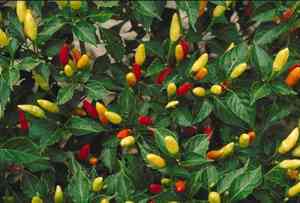
For best results, relocate tabasco pepper plants in the mild temperatures of early to mid-spring, which fosters vigorous development. Select sites that receive ample sunlight and offer good drainage, providing sufficient room for their expanding root systems.
What Preparations are Necessary Before Relocating Tabasco Pepper?
What is the Optimal Period for Transplanting Tabasco Pepper?
The perfect time for moving tabasco pepper to your garden is when warmer weather begins, typically from late winter to early spring. This timeframe offers stable temperatures ideal for tabasco pepper's root development, ensuring a strong start. Transplanting tabasco pepper during this phase takes advantage of increasing daylight and moderate warmth, optimizing growth for a plentiful harvest. A helpful tip: moving tabasco pepper now promises a summer filled with vibrant, spicy fruits!
How Much Space Should You Provide Between Tabasco Pepper Plants?
When preparing to transplant your tabasco pepper, allow ample room for each to develop. Ideally, plants should be positioned approximately 2-3 feet apart (60-90 cm). This spacing prevents competition for water and nutrients. It's like giving each plant its own personal garden plot!
What is the Best Soil Mixture for Tabasco Pepper Transplanting?
For tabasco pepper, aim for a soil mix that drains well. It thrives in a loose, loam-based compost – much like a comfortable bed! Incorporate a foundational fertilizer – perhaps a slow-release granular type. You're setting up a continuous, nourishing meal.
Where Should You Replant Your Tabasco Pepper?
Sunlight is crucial for tabasco pepper. The best spot would be in full sun and clear of shade. It's similar to us enjoying the sun at the beach! They require about 6-8 hours of direct sunlight. This will promote robust and healthy growth.
What Equipment Should You Prepare Before Transplanting Tabasco Pepper?
Gardening Gloves
To shield your hands from dirt and plant material.
Shovel or Garden Spade
To excavate the hole at the new site and to lift the plant's root ball.
Trowel
To extract the tabasco pepper from smaller containers like pots or trays.
Well-rotted Compost
To supply essential nutrients to the tabasco pepper.
Mulch
To maintain soil moisture and suppress weeds post-transplanting.
Watering Can or Garden Hose
To hydrate the plant after relocation to ensure proper settling.
Gardening Scissors
To snip off any withered leaves or stems.
How Do You Extract Tabasco Pepper from the Soil?
How Do You Extract Tabasco Pepper from the Soil?
From Ground: Ensure the tabasco pepper plant is watered a day prior to moving to facilitate easier removal. Carefully dig around the plant with a shovel, aiming to extract the root ball without damage. Once loosened, gently lift the plant from the hole.From Pot: Start by watering the tabasco pepper, then carefully tilt the plant on its side and slowly encourage it out by tapping the pot's base while supporting the stem and root ball with your other hand. Avoid pulling or tugging the plant.From Seedling Tray: Gently push the seedling up from the tray's bottom to release it. Be careful not to harm the stem or roots during this process, and hold the seedling by its leaves to prevent any injury.
Step-by-Step Guide for Transplanting Tabasco Pepper
Preparation
Have all your tools organized and accessible before starting. The new planting hole should be pre-dug – it needs to be roughly twice as wide and as deep as the tabasco pepper plant's root ball.
Moving the Plant
Remove the tabasco pepper plant from its original spot following the steps outlined above based on its current setting, whether in the ground, a pot, or a seedling tray.
Planting
Transfer the tabasco pepper plant to its new location immediately to minimize plant stress. The top of the root ball should be level with the ground surface.
Composting & Mulching
Apply a light layer of compost, then spread mulch around the plant to help retain soil moisture and control weeds.
Watering
Water the newly transplanted plant at once, ensuring the soil is thoroughly saturated.
How Do You Care For Tabasco Pepper After Transplanting?
Proper Watering
Keep the soil consistently moist until the tabasco pepper plant is well-established, typically a few weeks. Do not allow the soil to dry out.
Pruning
Monitor for any signs of stress, such as wilting leaves or stems, and trim them promptly to help the plant direct its energy towards new growth.
Weed Control
Regularly remove any weeds growing near the tabasco pepper plant, to prevent them from hindering the plant's growth by competing for nutrients.
Pest and Disease Management
Watch for pests or disease symptoms and address them immediately to prevent their spread.
Troubleshooting Common Issues with Tabasco Pepper Transplantation.
When is the best time to transplant tabasco pepper?
The optimal period to transplant tabasco pepper is during the transition between seasons (S1-S2). This timeframe offers ideal growing conditions for the plant.
What is the recommended spacing between each tabasco pepper during transplantation?
To avoid root competition, position each tabasco pepper approximately 2-3 feet (60-90cm) apart during transplantation. This provides each plant with sufficient nutrients and light.
Why do the leaves of my transplanted tabasco pepper appear wilted?
Wilted leaves often indicate transplant shock. Keep the soil consistently moist and shield it from direct sunlight for a few days.
How do I address yellow leaves on my transplanted tabasco pepper?
Yellow leaves might suggest overwatering or a nutrient deficiency. Avoid saturating the soil and consider a nutrient-rich fertilizer suitable for tabasco pepper.
How deep should the hole be when transplanting tabasco pepper?
The hole should be twice the width and the same depth as your tabasco pepper's root ball. This allows for healthy root expansion.
How important is it to water tabasco pepper after transplanting?
It's essential! Watering helps settle the soil, removes air pockets, and provides much-needed moisture. Deep watering post-transplanting significantly aids tabasco pepper's successful establishment.
What should I do if my tabasco pepper's growth seems slow after transplantation?
Ensure tabasco pepper receives adequate sunlight and water it according to its needs. Also, verify that the soil is nutrient-rich. If necessary, use plant food.
Can tabasco pepper be transplanted in a pot and then moved outdoors?
Yes, tabasco pepper can be started in a pot indoors and later moved outside. Just remember, the pot should be sufficiently large for initial root development.
Why are there white spots on the leaves of my transplanted tabasco pepper?
White spots may indicate a fungal infection. Remove affected leaves and apply an appropriate fungicide. Ensure your tabasco pepper is not waterlogged, as this promotes fungal growth.
What should be the ideal soil condition for transplanting tabasco pepper?
The soil for tabasco pepper should be well-drained, slightly acidic to neutral (pH 6.0-7.0), and rich in organic matter. Amend the soil if these conditions are not met.



