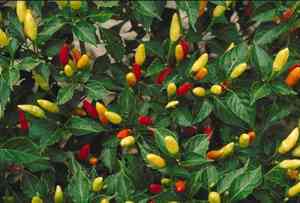
Tabasco pepper (Capsicum frutescens)
Also known as: Tabasco, Xiaomila pepper, Kambuzi, Hot pepper, Chilli pepper
Certainly! Here's a revised response with a significant difference:
Tabasco peppers, originating from Central and South America, have adapted well as both annual and short-lived perennial plants in various regions. Beyond their culinary use, they are also cultivated for their vibrant, ornamental fruit, adding a burst of color to gardens and landscapes.
Attributes of Tabasco pepper
Images of Tabasco pepper
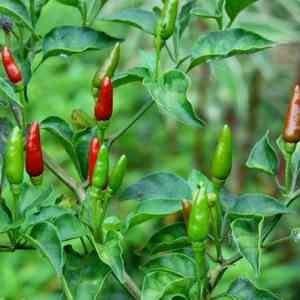
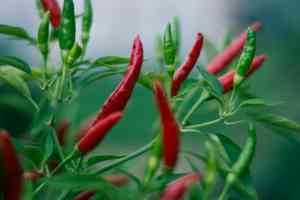
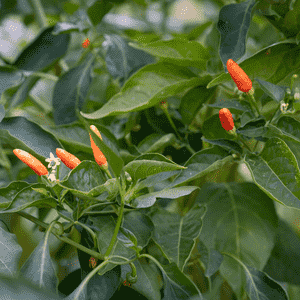
Quickly Identify Tabasco pepper
Scientific Classification of Tabasco pepper
Planting and Growing of Tabasco pepper
 How to Water Tabasco pepper?
 What Are the Sunlight Requirements for Tabasco pepper?
 What Is the Ideal Temperature Range for Tabasco pepper?
 What Soil is Best for Tabasco pepper?
 How to Fertilize Tabasco pepper?
 How to Prune Tabasco pepper?
 How to Propagate Tabasco pepper plant?
 How to Repot Tabasco pepper plant?
Toxicity of Tabasco pepper
Is Tabasco pepper toxic to humans?
The Tabasco pepper exhibits a mild level of toxicity in humans, primarily resulting from the consumption of its fruit. The capsaicin contained within the fruit is accountable for its toxic characteristics. Ingesting it in excessive quantities can trigger various symptoms, including a burning sensation in the mouth and throat, abdominal discomfort, nausea, vomiting, diarrhea, and in certain instances, headaches. While this fruit is frequently utilized in culinary applications due to its strong flavor, improper handling or overconsumption can result in these negative effects. It is essential for individuals to recognize the possibility of mild toxicity and to enjoy Tabasco pepper in moderation to prevent these adverse reactions.
Is Tabasco pepper toxic to cat?
Tabasco pepper carries a slight toxicity risk for cats. If felines inadvertently ingest any portions of the plant, especially the fruit, they may encounter discomfort resulting from the capsaicine it contains. Signs that suggest tabasco pepper consumption may involve mild gastrointestinal disturbances, which could manifest as drooling, vomiting, or diarrhea. Since these reactions can lead to anxiety for the animal, it is crucial for pet owners to keep a close eye on their pets and obtain prompt veterinary assistance if any poisoning symptoms arise. Swift medical attention is vital for effectively addressing the cat's health issues.
Is Tabasco pepper toxic to dog?
The Tabasco pepper plant species presents a mild toxicity risk to dogs. If dogs inadvertently consume any portions of this plant, especially the fruit, they may be subjected to its toxic effects. Capsaicine is the main component responsible for the toxicity associated with Tabasco pepper, which can induce discomfort and various adverse reactions in dogs. Symptoms associated with poisoning can encompass gastrointestinal disturbances such as vomiting and diarrhea, oral irritation, increased drooling, and potentially breathing difficulties in cases of allergic reactions. It is essential for dog owners to keep a watchful eye on their pets and restrict their access to the fruits of the Tabasco pepper to prevent unintentional consumption. If a dog ingests any part of this plant and displays symptoms of toxicity, it is crucial to obtain immediate veterinary assistance to ensure appropriate treatment and management of the situation.



