How to Transplant Happy tree?
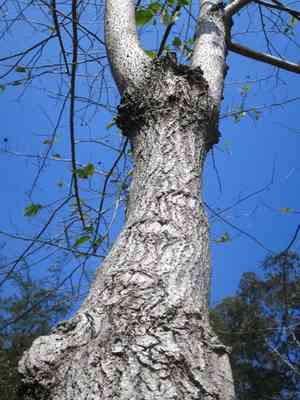
Relocate happy tree during the warmth of late spring to early summer, when its development is robust. Select a bright location featuring soil that drains effectively. Minimize disturbance to the root system, making the procedure resemble the plant's calm inherent disposition.
Essential Preparations Before Relocating Happy Tree
Optimal Timing for Happy Tree Relocation
The prime window for moving happy tree is from early to mid-summer. This period offers ideal conditions for root establishment and adaptation prior to the onset of colder weather. Relocating happy tree during this season leverages warm soil temperatures, vital for root development. Heat promotes roots to extend and secure a firm hold, ensuring happy tree flourishes post-move. Longer days and increased sunlight in early to mid-summer stimulate photosynthesis, providing happy tree ample energy for new growth after transplant. With consistent irrigation, your happy tree will be poised for success. Shifting happy tree at this time allows it to recover from transplant shock more effectively, as mild summer conditions aid healing and growth. Additionally, transplanting happy tree when the weather is pleasant makes the entire process more enjoyable for you too!
Recommended Spacing Between Happy Tree Plants
Ensure adequate room for your happy tree to develop. Aim for a distance of approximately 6-8 feet (1.8-2.4 meters) between each plant. This spacing provides each happy tree ample room for branch expansion, fostering improved growth and maintaining a healthy plant population!
Best Soil Blend for Happy Tree Transplanting
Happy tree thrives in well-drained, humus-rich soil. Start with a loamy soil base, then enrich it with a slow-release granular fertilizer according to package instructions. This will create an optimal environment for happy tree to flourish and grow robustly!
Selecting a New Location for Your Happy Tree
Sunlight is key! Choose a spot where your happy tree will receive full sun to partial shade, with 4-6 hours of direct sunlight daily being sufficient. Excessive sun is not ideal; a balanced amount allows your happy tree to grow healthily.
Tools Required for Happy Tree Transplantation
Trowel
This small, handheld digging tool is useful for creating minor holes and moving small quantities of soil. It will be quite convenient during the transplanting process.
Gardening Gloves
To safeguard your hands while handling soil and the plant.
A bucket or pot
You'll need a container to temporarily hold the happy tree while you prepare its new site.
Garden Knife
In case you need to sever tough roots when extracting the plant from its original spot.
A Watering Can
To hydrate the happy tree after its relocation, helping it settle into the new environment.
Gardening Shears
You might need to trim some upper branches to compensate for root loss during the transplanting procedure.
Wheelbarrow (optional)
This can assist in transporting larger happy tree specimens from their initial location to their new one.
Method for Extracting Happy Tree from Soil
Method for Extracting Happy Tree from Soil
From Ground: Begin by moistening the happy tree plant to dampen the soil. This facilitates removal without excessive root damage. Next, use a spade or garden knife to cut a circle in the soil around the plant, ensuring the plant's root ball remains intact. Gradually work the spade beneath the root ball and carefully lift the plant. From Pot: If happy tree is in a container, the removal differs slightly. First, water the plant thoroughly. Then, turn the pot sideways, hold the plant by its stems, and tap the pot's bottom until the plant slides out. Avoid pulling the plant, as this could harm the roots. From Seedling Tray: If you're moving happy tree from a seedling tray, water the tray first. Then, using a table fork or specialized seedling tweezers, gently lift the seedlings from the tray, aiming to keep as much soil as possible around the roots.
Step-by-Step Guide for Transplanting Happy Tree
Preparation
Excavate a hole in the ground twice the width and equal to the depth of your happy tree's root ball. The wide hole provides ample space for roots to spread and grow.
Placement
Position your happy tree in the center of the excavated hole. The top of the plant's root ball should be level with the surrounding ground.
Filling
Backfill the hole with soil (soil should not have been covered in previous sections), compacting it around the base to eliminate any air pockets.
Watering
Once happy tree has been planted, water it thoroughly. This helps the soil settle around the plant's roots.
Post-Transplant Care for Happy Tree
Pruning
After transplanting, trim back happy tree to balance root loss, but avoid excessive pruning as it can stress the plant.
Water Regulation
Water happy tree adequately but avoid overwatering. Too much water can lead to root rot. Keep the soil consistently moist, but not waterlogged.
Monitor Plant Health
Regularly inspect happy tree for signs of stress and disease. This includes observing leaf condition, color, and firmness of happy tree. Stress in transplanted plants can manifest as wilting, yellowing leaves, or a lack of new growth. If you notice anything unusual, try to identify the cause and address it promptly.
Addressing Common Issues with Happy Tree Transplantation
When is the optimal time to transplant my happy tree?
The best period for relocating your happy tree is from late summer to early autumn. This corresponds to season 4 to 5.
What spacing should I allow between each happy tree during transplanting?
It's advisable to provide each happy tree with ample room to grow. Ideal spacing is 6-8 feet (1.8-2.4 meters) apart.
What action should I take if my transplanted happy tree develops yellow leaves?
Yellow foliage might indicate overwatering. Temporarily reduce the amount of water and observe if improvement occurs.
How should I prepare the soil for happy tree transplanting?
Begin by loosening the soil and incorporating organic matter to boost its fertility. Your happy tree prefers well-drained soil for robust growth.
Is it necessary to prune my happy tree before transplanting?
Yes, pruning helps manage the size of your happy tree and promotes healthier growth after relocation. Ensure cuts are clean and sharp.
What depth should I plant my happy tree during the transplant?
Your happy tree should be planted at the same depth as it was in its previous container or location. This is crucial to prevent root damage.
Why are the leaves of my transplanted happy tree drooping?
Drooping leaves may signal transplant shock. Ensure your happy tree is well-watered but not waterlogged, and that it receives sufficient sunlight.
How should I water my happy tree after transplanting?
Water your happy tree thoroughly after transplant, then regularly but moderately, allowing the soil to dry slightly between waterings to prevent overwatering.
Can I fertilize my happy tree immediately after transplant?
Refrain from fertilizing immediately after transplanting. Allow happy tree to first acclimate to its new environment. You can begin fertilizing after a few weeks.
Do I need to provide support for my transplanted happy tree?
Providing support with stakes can be beneficial, especially for younger happy tree plants or in windy conditions. This can ensure straight growth and prevent damage.



