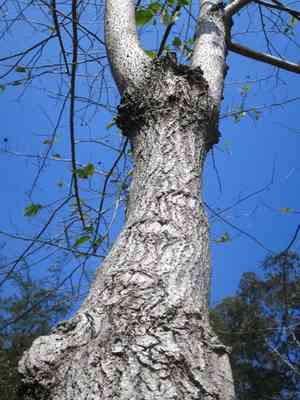
Happy tree (Camptotheca acuminata)
Also known as: Tree of life, Cancer tree
Camptotheca acuminata, known as the Chinese happy tree, is a medium-sized tropical hardwood commonly used as an ornamental tree in its native regions. It is often found lining streets in urban areas of China. This species is one of the few within the Camptotheca genus.
In This Article
Attributes of Happy tree
Lifespan
Perennial
Plant Type
Tree
Plant Height
20 m
Spread
15 m
Leaf Color
Green Bronze
Flower Size
1.5 cm to 2 cm
Flower Color
White Green
Images of Happy tree
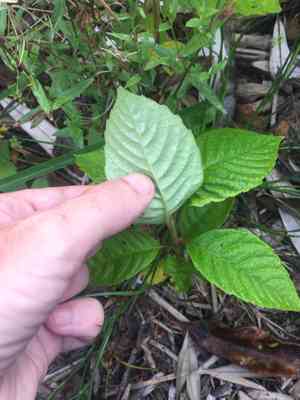
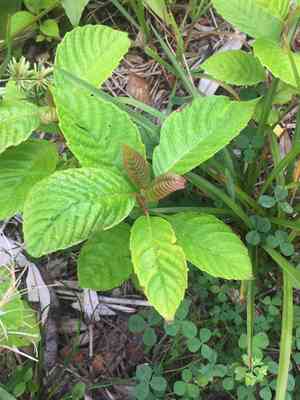
Quickly Identify Happy tree
1
Camptotheca acuminata can be identified by its alternate, simple, ovate to lanceolate leaves, and its distinctive spherical flower clusters, which are white and appear in late spring to early summer. The tree has smooth, gray-brown bark and produces small, drupe-like fruits.
Scientific Classification of Happy tree
Phylum
Vascular plants
Class
Dicotyledons
Order
Dogwoods, hydrangeas, and allies
Family
Tupelo
Genus
Happy trees
Species
Happy tree
Planting and Growing of Happy tree
Care Difficulty
Easy
Watering Schedule
Every 8 days
Sunlight Requirements
Full sun
Sunshine Duration
6-10 hours
Ideal Temperature
68-77℉
Soil Type
Potting Mix, Peat Mix
Soil pH
6.5-7.5
Fertilizer Type
Balanced
Pruning Season
Spring, Summer
Pruning Area
Branches, Leaves
Pruning Frequency
2 times a year
Repotting Season
Spring
Pot Type
Plastic, Ceramic
 How to Water Happy tree?
For Camptotheca acuminata, the ideal watering amount ensures the soil is thoroughly moistened without being waterlogged, approximately 500 ml each time. The aim is to keep the soil consistently moist, replicating its natural subtropical environment and avoiding extreme dryness or overly soggy conditions.
What are the symptoms of an underwatered Happy tree?
›
What should I do if my Happy tree is not getting enough water?
›
What are the symptoms of an overwatered Happy tree?
›
How to save an overwatered Happy tree?
›
 What Are the Sunlight Requirements for Happy tree?
For Camptotheca acuminata, maintaining conditions of full sun to partial sun is vital. This ensures robust growth, vibrant foliage, and increased resistance to pests. Optimal light exposure supplies the necessary energy for intensive photosynthetic activity, enhancing its overall health.
More About Sunlight Requirements Techniques→
Where should Camptotheca acuminata be placed for optimal light exposure?
›
How does Camptotheca acuminata respond to varying light conditions?
›
What actions can enhance ideal light conditions for Camptotheca acuminata?
›
 What Is the Ideal Temperature Range for Happy tree?
Camptotheca acuminata thrives best in a temperature range of 68°F to 77°F. This range ensures optimal metabolic activity and growth, as these conditions mimic the plant's natural habitat in temperate regions. Maintaining such temperatures can lead to robust growth and healthy foliage.
 What Soil is Best for Happy tree?
Camptotheca acuminata thrives in moist soil conditions, which helps ensure a steady supply of water to support its lush foliage and robust growth. The consistent moisture prevents the plant from experiencing stress, leading to healthier and more vibrant leaves. Though it prefers moisture, Camptotheca acuminata requires soil that drains well. Proper drainage prevents waterlogging, which can lead to root rot. A well-drained environment also facilitates aeration, enhancing root health and overall plant vigor. The plant benefits from nutrient-rich loam that provides essential minerals for growth. A fertile substrate supports vigorous development, ensuring the plant's robust structure and the production of healthy new leaves and blooms throughout its growing season.
 How to Fertilize Happy tree?
For Camptotheca acuminata, it's vital to apply fertilizers thoughtfully, considering its growth demands. A liquid fertilizer with a balanced NPK ratio of 10-10-10 should be diluted at a rate of 1 teaspoon per gallon of water and applied twice a month. For slow-release fertilizers, a granulated form with a similar NPK balance should be used at a rate of about 1/2 pound per year for mature trees, evenly distributed over the root zone to avoid nutrient burn.
 How to Prune Happy tree?
Start by removing any dead or diseased branches to prevent the spread of pests or diseases. Cut back to healthy wood, ensuring the removal is clean and precise. This helps keep the plant in optimal health. After removing the unhealthy wood, focus on shaping the tree. This involves cutting back branches that cross each other or those growing towards the center. Aim for an open shape to improve sunlight penetration and air circulation within the canopy.
More About Pruning Techniques→
 How to Propagate Happy tree plant?
1
Collect mature seeds from Camptotheca acuminata during late autumn. Soak them in warm water for 24 hours before sowing, which helps to soften the seed coat and improve germination rates.
2
Select healthy and semi-woody stems for cuttings in early spring. Cut a 6-8 inch section and remove any leaves from the lower half to reduce moisture loss and encourage root growth.
3
Utilize sterilized environment and tools to initiate tissue cultures. This method allows for propagation in a controlled setting, minimizing pest and disease issues associated with other methods.
 How to Repot Happy tree plant?
1
Look for signs like roots circling the container, or slow growth despite regular watering and feeding. These signs indicate that it's time for Camptotheca acuminata to move to a bigger home, preferably during its active growth phase in spring or summer.
2
Choose a pot that is about 2 inches larger in diameter than the current one, with sufficient drainage holes. This size allows room for growth while preventing waterlogging, essential for the healthy development of Camptotheca acuminata.
3
Opt for a well-draining, loamy soil mix rich in organic matter. This provides the necessary nutrients and ensures proper drainage, avoiding root rot and promoting vibrant growth for Camptotheca acuminata.
Learn More About Happy tree Diseases
Anthracnose
Bacterial Leaf Spot
Bacterial Soft Rot
Bacterial Wilt
Black Spot
Chemical Injury
Crown Gall
Cyst Nematode
Damping-off
Downy Mildew
Drought Stress
Fusarium Wilt
Gray Mold
Leaf Curl
Leaf Spot
Mosaic
Nutrient Deficiency
Nutrient Toxicity
Powdery Mildew
Root Rot
Root-knot Nematode
Rusts
Sooty Mold
Spider Mites
Temperature Stress
Thrips Damage
White Mold



