How to Transplant Angel wings?
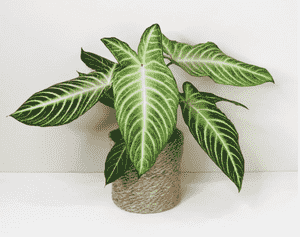
The ideal period to relocate angel wings is from late summer through early autumn, facilitating a seamless adjustment prior to its dormant phase. Select a sheltered, adequately draining spot and provide ample soil hydration to support its establishment.
Preparations Required Before Relocating Angel Wings?
Optimal Period for Transplanting Angel Wings?
The late summer transitioning into early autumn offers an ideal window for relocating angel wings. This mild period allows the plant to settle in comfortably, promoting strong development. Selecting this perfect timing minimizes transplant stress, fostering robust root growth before winter dormancy. This ensures a vigorous return in spring, as angel wings rewards your efforts with lush foliage.
Recommended Spacing Between Angel Wings Plants?
Each angel wings plant requires adequate personal space to flourish! When moving them, ensure a gap of 1-1.5 feet (approximately 30-45 cm) between individual plants. This guarantees proper development and prevents overcrowding.
Best Soil Blend for Angel Wings Relocation?
Prior to planting angel wings, it's advisable to prepare the soil with a well-draining mixture, ideally a loamy or sandy type. Don't forget to incorporate a foundational fertilizer; a slow-release granular variety works exceptionally well. This preliminary effort yields significant benefits!
Optimal Placement for Your Angel Wings?
Here's a little secret – angel wings thrives in indirect light! Locate a spot that receives bright but diffused sunlight to truly please your plant. Direct, full sun might seem appealing, but it can be too intense for angel wings.
Equipment Needed Before Transplanting Angel Wings?
Gardening Gloves
To safeguard your hands when handling soil and the plant.
Shovel or Spade
Useful for excavating a hole in the new site or extracting plants from their original spot.
Garden Trowel
A small hand tool for digging, particularly helpful when moving from a pot or seedling tray.
Watering Can
To hydrate the plant both at its initial location before moving and at the new site after relocation.
Pruning Shears
In case any roots or plant parts require gentle trimming.
Seedling Starter Tray
If the plant is being taken from a seedling.
How to Extract Angel Wings from the Soil?
How to Extract Angel Wings from the Soil?
From Ground: Begin by moistening the soil around the angel wings seedling; this can facilitate easier removal. Afterward, carefully dig around it with a shovel or spade, keeping the root ball intact. Gently work your shovel beneath the angel wings's root ball to lift it out.From Pot: If your angel wings is in a pot, watering it thoroughly beforehand can simplify the process. Invert the pot and gently tap it to slide the angel wings out. Use your hands to carefully remove excess soil from around the roots.From Seedling Tray: Employ a small garden trowel or even a kitchen spoon to delicately separate the angel wings seedling from its cell. Be extremely gentle, ensuring no damage to the fragile root system.
Step-by-Step Guide for Relocating Angel Wings
Preparation
Once the new site is selected, prepare the ground by clearing any grass or other ground cover. Then, excavate a hole that is both deep and wide enough to comfortably accommodate the root ball of your angel wings.
Placement
Carefully position the angel wings in the hole, ensuring it's neither too deep nor too shallow. The top of the roots should be slightly below ground level.
Backfilling
Refill the hole with soil, gently firming it down with your hands. Apply a gentle press – but be careful not to compact it too tightly, as this could hinder root growth.
Watering
Thoroughly water the angel wings after relocation, ensuring the water reaches the roots to encourage them to settle into their new environment.
Post-Transplant Care for Angel Wings?
Initial Care
For the first few days, providing angel wings with extra attention is generally beneficial. This might involve daily watering, ensuring the soil remains consistently moist, but not waterlogged.
Nourishment
After one to two weeks, a diluted, balanced liquid fertilizer can benefit angel wings by replenishing nutrients that the soil might lack.
Protection from Extremes
Newly transplanted plants can be very sensitive to environmental extremes, so try to shield your angel wings from strong winds, excessive sun exposure, or unexpected frost.
Observation
Monitor for any wilting or yellowing leaves, which could signal an issue. However, don't be alarmed if the plant appears a bit distressed initially – transplant shock is common, and plants often recover within a few weeks.
Addressing Common Issues with Angel Wings Transplantation.
When is the best time of year to move angel wings?
The optimal period to transplant angel wings is during early or mid-summer, also known as S6-S7. This allows the plant ample time to establish itself before colder seasons arrive.
What is the ideal spacing for angel wings when transplanting?
You should aim for a distance of approximately 1-1.5 feet (30-45 cm) between each angel wings. This provides the plant sufficient room to grow while maintaining a healthy separation from adjacent plants.
What kind of soil is best for transplanting angel wings?
Angel wings prefers well-drained, humus-rich soil. Avoid waterlogged or excessively dry soil conditions, as these can negatively impact the plant's growth and establishment.
How deep should angel wings be planted when moved?
Transplant angel wings to its previous soil level. The plant should be comfortably nestled in the soil without being overly covered or left exposed.
How should I water angel wings after transplanting?
After relocating angel wings, water it thoroughly. Aim to keep the soil consistently moist, but not saturated. Adjust watering based on weather conditions and soil moisture levels.
Can I transplant angel wings to a pot, and if so, what size is needed?
Yes, you can! Use a pot roughly 12-14 inches (30-35 cm) in diameter to provide enough space for growth. Remember to ensure it has efficient drainage holes.
How should I handle the root system of angel wings during transplanting?
Handle the root system gently, striving to minimize any damage. Try to retain as much of the original soil around the roots as possible to lessen transplant shock.
What can I do if leaves turn yellow after transplanting?
Yellowing leaves might indicate transplant shock. Try reducing light exposure, ensuring proper watering, and confirming the soil drains well. If necessary, consider an organic, slow-release fertilizer.
How do I know if angel wings is thriving after transplanting?
Healthy growth in angel wings is indicated by new shoots and leaves. The absence of wilting, curling, or browning of leaves is also a positive sign of the plant's well-being.
What steps should I take if angel wings doesn't seem to be thriving after transplantation?
First, ensure its fundamental needs are met – correct amount of sunlight, appropriate watering, and suitable soil quality. If the problem persists, consult an expert for potential diseases or pests.



