How to Transplant Bodinier's boxwood?
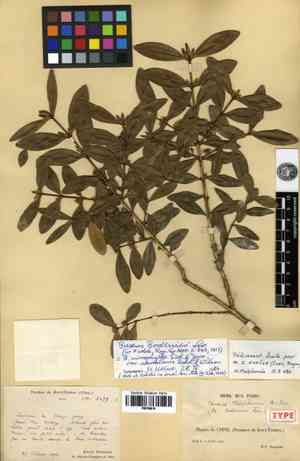
Bodinier's boxwood flourishes when relocated in the middle of spring or the beginning of fall, owing to mild temperatures. Choose a spot with partial shade and soil that drains effectively. Make certain this is not done during intense sunlight to prevent transplant stress.
Essential Preparations Before Relocating Bodinier's Boxwood
Optimal Period for Moving Bodinier's Boxwood?
Bodinier's boxwood should be moved in late spring, early summer, or late autumn. These periods provide ideal soil temperature and moisture levels, minimizing transplant shock and encouraging root development. Relocating bodinier's boxwood during these times ensures vigorous growth and adaptation, improving the overall health and longevity of this perennial plant.
Required Spacing Between Bodinier's Boxwood Specimens?
For a flourishing garden, position your bodinier's boxwood plants approximately 2-3 feet (60-90 cm) apart. This spacing guarantees each plant sufficient room to expand and receive adequate nutrients and sunlight.
Preferred Soil Mixture for Bodinier's Boxwood Relocation?
Prepare the ground by selecting a well-draining, loamy soil type for your bodinier's boxwood. Incorporate a foundational fertilizer rich in organic matter, such as compost or aged manure, to supply essential nutrients.
Choosing a New Site for Your Bodinier's Boxwood?
Select a spot for your bodinier's boxwood that receives partial to full sun exposure. Aim for an area that gets at least 4-6 hours of sunlight daily for optimal development.
Tools Required Before Transplanting Bodinier's Boxwood?
Gardening Gloves
To safeguard your hands while handling soil and the plant.
Shovel or Spade
For excavating a trench around the plant and lifting it from the ground.
Hand Trowel
Useful for more precise digging and planting in confined areas.
Watering Can or Hose
Essential for hydrating the plant before and after its relocation.
Pruning Shears
For trimming any damaged or excessively long roots.
Burlap or Plant Blanket
To protect and keep the root ball intact during transport.
How to Extract Bodinier's Boxwood from its Current Location?
How to Extract Bodinier's Boxwood from its Current Location?
From Ground: First, moisten the bodinier's boxwood plant to dampen the soil. Next, dig a wide trench around the plant using a shovel or spade, ensuring the plant's root ball remains undisturbed. Carefully work the spade beneath the root ball, and once loosened, lift the plant while retaining as much soil around the roots as possible.From Pot: Begin by thoroughly watering the bodinier's boxwood plant. Gently tilt the container and tap its sides to loosen the soil if needed. Carefully slide the plant out of the pot, ensuring you support the base of the stem and the root ball.From Seedling Tray: Water the seedlings well before removal. Use a trowel or dibber to loosen the soil around the seedlings. Carefully lift each seedling, grasping them by the leaves or root ball rather than the stem to prevent damage.
Detailed Procedure for Relocating Bodinier's Boxwood
Preparation of Planting Site
Excavate a hole in the new spot that is twice as wide and equally deep as the root ball of your bodinier's boxwood plant. This allows the roots to comfortably expand in their new environment.
Soil Enrichment
If necessary, enrich the soil at the base of the hole with organic matter or compost. This will supply the bodinier's boxwood plant with vital nutrients for healthy development.
Plant Positioning
Gently place the bodinier's boxwood plant into the hole, ensuring the top of the root ball is level with the soil surface. Backfill the hole with the excavated soil, gently compacting it to remove air pockets.
Initial Watering
Thoroughly water the newly relocated bodinier's boxwood plant to help the soil settle around the roots. A comprehensive initial watering is crucial for encouraging root establishment.
Post-Transplantation Care for Bodinier's Boxwood?
Watering Regimen
Maintain consistent moisture in the soil around the bodinier's boxwood, avoiding sogginess, for the initial weeks after relocation to aid in strong root development.
Mulch Application
Apply a layer of mulch around the base of the bodinier's boxwood plant. This helps retain soil moisture, suppress weeds, and stabilize soil temperature.
Support System
If the bodinier's boxwood plant is tall or top-heavy, consider using stakes to support it until its roots are firmly established.
Regular Observation
Periodically inspect the bodinier's boxwood plant for indications of stress such as wilting or yellowing foliage. Address any issues promptly by adjusting watering or checking for pests.
Resolving Common Issues During Bodinier's Boxwood Relocation.
When is the best time to move bodinier's boxwood?
Relocating bodinier's boxwood is ideal in late spring, early summer, or late fall for optimal growth.
What spacing is recommended for bodinier's boxwood plants?
Space bodinier's boxwood plants 2-3 feet (60-90 cm) apart to allow proper growth and air circulation.
How do I prepare the soil for bodinier's boxwood relocation?
Loosen the soil and incorporate organic compost to enhance nutrient content and drainage.
What size hole should I dig for bodinier's boxwood?
Dig a hole twice the width and depth of the root ball to facilitate root expansion.
How should I water bodinier's boxwood after relocation?
Water thoroughly after planting and keep the soil consistently moist, but not waterlogged, during establishment.
Should I prune bodinier's boxwood before moving it?
Lightly prune damaged or excessive foliage to reduce stress and promote root development during relocation.
How do I handle the roots when moving bodinier's boxwood?
Gently separate and spread out tangled roots, and trim any damaged roots to stimulate new growth.
What kind of mulch is best for bodinier's boxwood?
Apply a 2-3 inch (5-8 cm) layer of organic mulch, like bark or compost, to retain moisture.
What is the ideal temperature for moving bodinier's boxwood?
Relocate bodinier's boxwood when temperatures are mild, around 50-70°F (10-21°C), to reduce transplant shock.
Can I use fertilizer when moving bodinier's boxwood?
Avoid using fertilizer immediately after relocation; wait until the plant is established to apply a balanced fertilizer.



