How to Transplant Jelly palm?
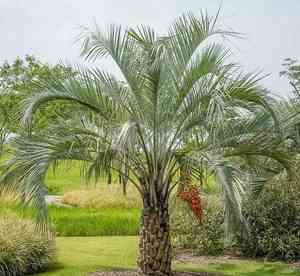
The ideal period for relocating jelly palm is from the mildness of late spring into the initial part of summer. Select a bright spot featuring soil that drains effectively, and remain vigilant about possible harm from freezing temperatures. Periodic beneficial advice will improve the transplanting outcome for this attractive enduring plant.
What Preparations are Needed Before Transplanting Jelly Palm?
What is the Ideal Time for Transplanting Jelly Palm?
Late Spring or early Summer is the perfect time to relocate jelly palm. During this period, the plant is actively growing, which helps it establish well in its new spot. Moving jelly palm at this time allows it sufficient time to develop roots, adapt to its new environment, and flourish before the cold season arrives. It's crucial to pay close attention to your jelly palm's requirements during this phase for successful establishment.
How Much Space Should You Leave Between Jelly Palm Plants?
When moving jelly palm, ensure they are spaced 6-8 feet (1.8-2.4 meters) apart. This provides each plant ample room to grow and spread its branches comfortably.
What is the Best Soil Mix for Jelly Palm Transplanting?
For jelly palm, well-draining soil is crucial. Select a blend of loam, sand, and compost, with a pH that is slightly acidic to neutral. A slow-release granular fertilizer will provide a good foundation for their development.
Where Should You Relocate Your Jelly Palm?
Choose a new location for jelly palm that receives full sun to partial shade. Approximately 6-8 hours of direct sunlight daily is ideal for their healthy growth and vibrant colors.
What Equipments Should You Prepare Before Transplantation Jelly Palm?
Gardening Gloves
To safeguard your hands from dirt and potential scrapes when handling the plant.
Shovel or Spade
These tools will be used to excavate the plant from its original site and to prepare the hole at the new location.
Gardening Trowel
This small hand tool is useful for precise adjustments during transplantation.
Watering Can
To hydrate the plant before and after the relocation process.
Mulch
This material helps to retain moisture in the soil following transplantation.
Root Growth Stimulator
This can be applied to the root ball of the jelly palm plant when transplanting to encourage robust root development.
How Do You Remove Jelly Palm from the Soil?
How Do You Remove Jelly Palm from the Soil?
From Ground: Start by watering the jelly palm plant to moisten the soil, making it easier to dig. Using a spade, begin digging around the plant, ensuring you are far enough from the base to avoid damaging the roots. Once you have dug wide and deep enough, carefully lift the plant from the ground.From Pot: If the jelly palm plant is currently in a pot, first water the pot's soil. Then, tilt the pot sideways and gently pull the plant by its base. If it doesn't come out easily, you may need to tap or shake the pot to assist.From Seedling Tray: If moving jelly palm from a seedling tray, water the tray first for easier removal. Gently hold the seedling by its leaves, not the stem, and carefully pull it up. Use a gardening trowel if necessary.
Step-by-Step Guide for Transplanting Jelly Palm
Site Preparation
Dig a hole twice the width and the same depth as the jelly palm's root ball. Keep the excavated soil nearby as you will use it to backfill later.
Plant Placement
Position the plant in the hole. Ensure it is seated at the correct height - the top of the root ball should be level with the ground, not below. Adjust soil under the root ball if needed until it's correct.
Filling Hole
Refill the hole with the soil you dug out. As you fill, firm the soil around the roots.
Watering
Water the plant thoroughly after transplanting. This helps to settle the soil around the roots.
Mulching
Apply a layer of mulch around the base of the plant, keeping it away from the plant's stem to prevent rot.
Root Growth Stimulator
Apply a root growth stimulator to the area around the plant to encourage strong root development.
How Do You Care For Jelly Palm After Transplanting?
Checking
Monitor the jelly palm plant regularly after transplanting. Look for signs of wilting or other stress. If observed, it may require more water or shade.
Watering
For the initial weeks after transplanting, keep the soil consistently moist to allow the plant to establish its roots in its new location. Insufficient water will cause the plant to dry out, while too much can lead to waterlogged roots and rot.
Mulching
Ensure mulch levels are maintained as this helps to retain soil moisture and suppress weeds that might compete with your jelly palm plant for nutrients.
Pruning
Pruning is not immediately necessary after transplanting but can be beneficial once the plant begins to establish itself. Pruning helps shape the plant and promotes more vigorous, bushy growth.
Troubleshooting Common Issues with Jelly Palm Transplantation.
When is the best time to transplant jelly palm?
The optimal period to move jelly palm is from late spring to the beginning of summer.
What space requirements does jelly palm need when transplanting?
Jelly palm needs ample space. Aim to maintain a distance of 6 to 8 feet (1.8 to 2.4 meters) between each plant.
How can I ease jelly palm's transition after transplanting?
Keep the soil moist but not saturated post-transplant. Also, providing shade to the newly transplanted jelly palm from intense midday sun can reduce stress.
How deep should the new hole be for jelly palm?
Dig a hole twice as wide and as deep as the root ball of jelly palm. This will provide it with sufficient room to grow.
What soil conditions does jelly palm need for successful transplanting?
Jelly palm prefers well-drained soil with good fertility. Incorporating organic matter like compost or aged manure can enhance soil health.
Should I prune jelly palm when preparing it for transplanting?
While not mandatory, you can lightly prune jelly palm. It helps balance leaf loss and root disturbance. Remember, never over-prune!
Does jelly palm's size affect transplantation success?
Larger jelly palms can be more challenging to transplant due to their extensive root systems. Smaller, younger plants tend to adapt more readily.
What type of fertilizer should I use when transplanting jelly palm?
A balanced, slow-release fertilizer can be beneficial. Excessive fertilizer can burn roots, so use it sparingly and according to instructions.
How long will jelly palm take to establish after transplanting?
Jelly palm may take several weeks to fully establish. Be patient, continue to water appropriately, and monitor the plant's progress.
How much sunlight does newly transplanted jelly palm need?
Jelly palm thrives in full sun but ensure it's protected from intense midday sun initially post-transplant to avoid additional stress.



