How to Transplant Pole butterflybush?
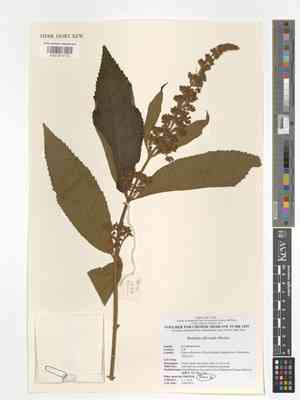
Pole butterflybush flourishes when transplanted between early and mid-spring, as this period facilitates optimal root development. Select a site offering full sun to partial shade and well-draining earth to support robust growth. Supply generous watering initially to alleviate transplant stress.
Necessary Preparations Before Moving Pole Butterflybush?
When is the Best Time to Relocate Pole Butterflybush?
The ideal window for relocating pole butterflybush spans from early to mid-spring. This timing allows pole butterflybush to benefit from mild temperatures and increased humidity, fostering robust root development. Moving it during this period also enables pole butterflybush to fully utilize the entire growing season, leading to improved growth and blooming potential.
What is the Recommended Spacing Between Pole Butterflybush Plants?
Ensure a separation of 36-48 inches (91-122 cm) between your pole butterflybush plants. This provides ample room for their growth and expansion, preventing overcrowding and encouraging healthy development.
Which Soil Mixture is Best for Transplanting Pole Butterflybush?
For pole butterflybush, select a soil type that drains effectively. Incorporate compost or a balanced base fertilizer to enrich the soil and supply vital nutrients. This will aid your plants in establishing a strong root system in their new location.
Where Should You Replant Your Pole Butterflybush?
Choose a sunny spot for your pole butterflybush transplants. They flourish in full sunlight, requiring at least 6 hours of direct sun daily. A bright location will help them produce beautiful blooms.
What Tools Should You Prepare Before Transplanting Pole Butterflybush?
Gardening Gloves
To safeguard your hands while handling soil and plants.
Shovel or Spade
For digging around and lifting the plant from its original spot.
Pruning Shears
To trim any damaged or excess roots and branches.
Watering Can or Hose
To hydrate the plant before and after relocation.
Trowel
To assist in digging the new hole and adjusting soil around the plant.
Compost or Organic Matter
To enhance soil structure in the new planting site.
Mulch
To retain moisture and keep roots cool post-transplant.
Stakes and Ties
To offer support for the plant if needed.
How Do You Extract Pole Butterflybush from the Ground?
How Do You Extract Pole Butterflybush from the Ground?
From Ground: First, moisten the soil around the pole butterflybush plant. Then, dig a wide trench around the plant using a shovel or spade, ensuring the root ball remains intact. Carefully work the spade beneath the root ball to lift the plant from its original position.From Pot: Water the pole butterflybush plant thoroughly before removal. Gently tap the pot's sides to loosen the plant. Carefully slide the plant out, keeping the root ball intact. If root-bound, use pruning shears to trim any circling roots.From Seedling Tray: Ensure the soil is damp before removal. Use a trowel or your fingers to gently lift each pole butterflybush seedling from the tray, taking care not to harm the roots. Handle seedlings by their leaves to avoid crushing delicate stems.
Step-by-Step Guide for Relocating Pole Butterflybush
Location Selection
Pick a spot with adequate sunlight and room for your pole butterflybush plant to reach its mature size.
Prepare the Planting Hole
Dig a hole in the new location that is twice as wide and equally deep as the root ball of your pole butterflybush. Mix some compost or organic material into the soil at the bottom of the hole.
Transplanting
Place the pole butterflybush plant into the hole, ensuring the top of the root ball is level with the ground. Backfill the hole with soil, pressing down firmly to remove any air pockets.
Watering
Thoroughly water the pole butterflybush plant after planting to help settle the soil around the roots. Ensure the water penetrates deep into the soil to encourage root growth.
Mulching
Apply a layer of mulch around the base of the pole butterflybush plant to help retain moisture and keep the roots cool. Leave a small gap around the stem to prevent rot.
Staking
If necessary, use stakes and ties to support the pole butterflybush plant, especially if it's tall or if windy conditions are anticipated.
How Do You Care For Pole Butterflybush After Relocation?
Watering
Keep the soil around the pole butterflybush consistently moist, but not waterlogged, for the initial weeks after transplanting to aid in strong root establishment.
Monitoring
Regularly inspect the pole butterflybush plant for signs of distress, such as wilting or yellowing leaves, and adjust care as needed.
Pruning
Trim any damaged or dead branches to promote new growth and maintain the plant's form.
Fertilizing
Apply a balanced, slow-release fertilizer if required, to provide nutrients and support healthy development.
Mulching
Replenish the mulch layer as necessary to maintain moisture and provide insulation against temperature changes.
Addressing Common Issues with Pole Butterflybush Transplantation.
When is the best time to move pole butterflybush?
Relocate pole butterflybush between early spring and mid-spring for optimal growth and successful establishment.
How far apart should I plant pole butterflybush?
Space pole butterflybush 36-48 inches (91-122 cm) apart to allow proper growth and air circulation.
What kind of soil does pole butterflybush prefer?
Plant pole butterflybush in well-drained soil, enriched with organic matter to help retain moisture.
How should I prepare pole butterflybush for transplanting?
Water pole butterflybush thoroughly the day before transplanting to reduce root trauma and transplant shock.
How deep should I dig the hole for pole butterflybush?
Dig a hole twice the width and the same depth as the root ball of pole butterflybush.
What should I do if pole butterflybush leaves start wilting after transplant?
Ensure pole butterflybush is getting enough water and shade it temporarily to reduce transplant shock.
How often should I water pole butterflybush after transplanting?
Water pole butterflybush deeply every few days, ensuring the soil remains moist but not waterlogged.
Can I use fertilizer when transplanting pole butterflybush?
Incorporate a slow-release fertilizer into the soil, but avoid direct contact with pole butterflybush's roots.
What is the optimal light condition for transplanted pole butterflybush?
Place pole butterflybush in a location where it gets full sun to partial shade for best results.
How do I minimize root damage when digging up pole butterflybush?
Dig a wide circle around pole butterflybush, keeping as many roots intact as possible during the move.



