How to Transplant Erect brome?
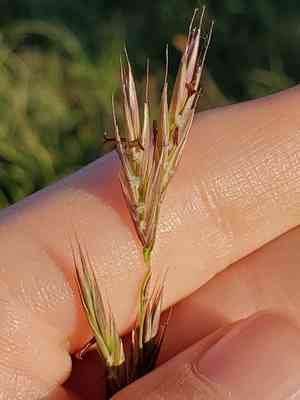
The optimal period for transplanting erect brome is during its active growth phase, extending from the latter part of spring into early summer. Select a location bathed in sunlight with soil that drains effectively to guarantee the robust development of erect brome. It is crucial to preserve the root mass undisturbed throughout the entire procedure.
What Preparations are Needed Before Transplanting Erect Brome?
What is the Ideal Time for Transplanting Erect Brome?
The optimal period for relocating erect brome is during the transition from late spring to early summer. This timeframe provides moderate temperatures and stable weather, which are conducive to root development, and aligns with the plant's natural growth cycle. Moving erect brome at this point ensures a smooth adjustment, as the soil is sufficiently warm to promote root growth without the harshness of peak summer. A gentle reminder: this strategic timing allows erect brome to comfortably establish itself in its new spot, benefiting from the season's mild sun and occasional rain to truly flourish.
How Much Space Should You Leave Between Erect Brome Plants?
For erect brome, aim for a separation of approximately 6-8 inches (15-20 cm) between each plant. This will provide them with adequate room to develop and thrive without becoming overcrowded.
What is the Best Soil Mix for Erect Brome Transplanting?
Prepare a well-draining soil mixture with some organic material for erect brome. A mild foundational fertilizer, such as a balanced 10-10-10 granular feed, can give your plants a good start in their new home.
Where Should You Relocate Your Erect Brome?
Select a sunny location where erect brome can receive at least 6 hours of direct sunlight daily. A bit of light afternoon shade is acceptable, but too much could cause erect brome to droop instead of growing upright and strong!
What Equipments Should You Prepare Before Transplantation Erect Brome?
Gardening Gloves
To safeguard your hands while handling soil and plants.
Shovel or Spade
For excavating the plant from its original spot and digging the new hole.
Garden Fork (optional)
To loosen the soil around the plant, if necessary.
Watering Can or Hose
To hydrate the plant before and after the relocation process.
Wheelbarrow or Garden Trolley
To move the plant from one place to another if required.
Pruning Shears
To trim any dead or damaged roots or foliage.
Measuring Tape
To ensure correct spacing between transplanted plants.
Stake or Plant Support
To provide stability for erect brome if it is tall or needs support after transplanting.
How Do You Remove Erect Brome from the Soil?
How Do You Remove Erect Brome from the Soil?
From Ground: Hydrate the erect brome plant to moisten the soil. Next, excavate a wide trench around the plant using a shovel or spade, ensuring the plant's root ball remains intact. Use a garden fork if needed to loosen the soil. Gently work the spade or fork beneath the root ball to lift the plant from its initial position.From Pot: Begin by watering the erect brome to make the soil damp, which will facilitate removal. Tilt the pot sideways and gently tap the sides to dislodge the plant. Support the plant by its base and carefully guide it out of the pot. If the plant is stuck, you might need to cut the pot away without harming the plant.From Seedling Tray: Water the seedlings to ensure the soil is moist. Carefully use a small tool, such as a dibbler or a spoon, to lift the seedlings out of the tray by applying gentle pressure to the bottom of each cell. Support the seedling by its leaves rather than the stem to prevent damage.
Step-by-Step Guide for Transplanting Erect Brome
Preparation
Use your hands to carefully remove excess soil from around the erect brome's root ball, taking care not to harm the roots. If you find any damaged roots, use pruning shears to trim them.
Digging the Hole
Excavate a hole in the prepared location that is twice the width of the root ball and of the same depth, to ensure the erect brome is planted at the same level it was growing previously.
Placement
Carefully position the erect brome into the hole. Ensure it is standing upright and that the top of the root ball is level with the surrounding soil.
Backfilling
Refill the hole with the excavated soil, gently firming it down to eliminate any air pockets. Water the soil around the erect brome thoroughly to help it settle.
Stabilizing
If necessary, install a stake or plant support next to the erect brome to provide stability as it establishes itself in its new location.
Watering
Provide the erect brome with a generous amount of water after transplanting, ensuring the water penetrates deeply into the root zone.
How Do You Care For Erect Brome After Transplanting?
Monitoring
Regularly check the erect brome to ensure it is adapting to its new surroundings. Look for indications of stress such as wilting or discolored leaves.
Watering
Keep the soil around the erect brome consistently moist for the initial few weeks following transplanting. Adjust irrigation based on rainfall and soil moisture levels.
Mulching
Apply a layer of organic mulch around the erect brome, keeping it away from the plant's stem, to help retain moisture and suppress weeds.
Support
Ensure the stake or plant support is secure and adjust it if necessary as the erect brome grows.
Pruning
Remove any dead or damaged foliage to help the erect brome focus its energy on establishing new roots and growth.
Troubleshooting Common Issues with Erect Brome Transplantation.
Why is my erect brome wilting after transplanting?
Wilting can occur if erect brome isn't adequately watered after transplanting or due to transplant shock. Ensure soil remains moist, especially in the first few weeks.
What's the ideal spacing for erect brome when transplanting?
Space erect brome plants 6-8 inches (15-20 cm) apart to give them room to grow and ensure proper air circulation.
What is the best time to transplant erect brome?
Transplant erect brome during the warmer months, from late spring to early summer, to give it the best chance for successful establishment.
How deep should I plant erect brome when transplanting?
Plant erect brome at the same depth it was growing previously. Roots should be just below the soil surface.
How often should I water erect brome after transplanting?
Water erect brome generously after transplanting, then maintain consistent moisture until it's established, usually within the first couple of weeks.
Why is my erect brome not growing after being transplanted?
Stunted growth might be due to transplant shock, insufficient watering, or nutrient-deficient soil. Ensure proper care and patient observation.
Can I transplant erect brome in cooler weather?
Transplanting erect brome during colder months is not recommended. Cooler temperatures can inhibit root establishment and overall plant health.
Will erect brome survive transplanting into heavier clay soils?
Yes, erect brome can adapt, but improve clay soil with compost for better drainage and root growth before transplanting.
How much sunlight does erect brome need after transplanting?
Erect brome thrives in full sunlight. Ensure the new location receives ample sun, mimicking the plant's natural habitat.
Should I fertilize erect brome immediately after transplanting?
Wait a few weeks before fertilizing to avoid overwhelming erect brome while it settles. Then, use a balanced, slow-release fertilizer according to label instructions.



