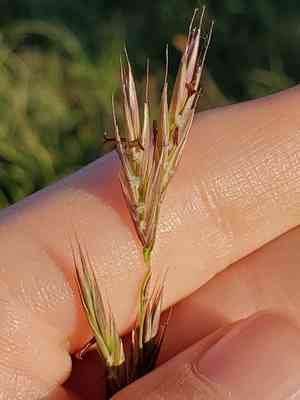
Erect brome (Bromus erectus)
Also known as: Upright brome, Upright bromegrass
Johnson grass is a perennial grass that thrives in disturbed soils, fields, and roadsides. While it may occasionally be used for certain purposes, it is widely regarded as a weed, particularly on farms and in non-native regions.
In This Article
Attributes of Erect brome
Lifespan
Perennial
Plant Type
Grass
Plant Height
40 cm to 1 m
Spread
Varies
Leaf Color
Green
Flower Size
Approx. 1-2 cm
Flower Color
Green Yellow Purple Black
Images of Erect brome
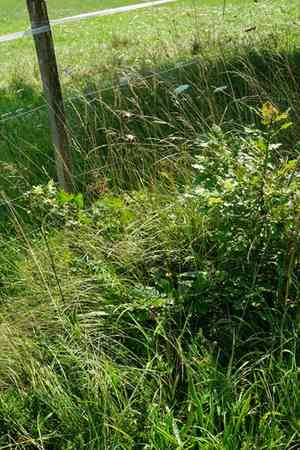
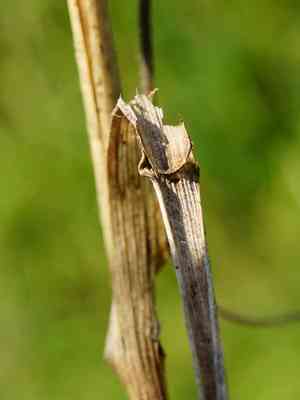
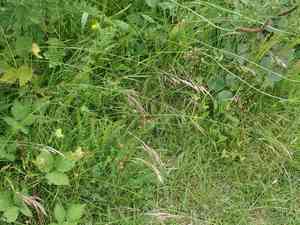
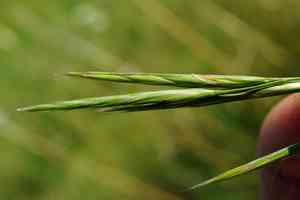
Quickly Identify Erect brome
1
To identify Bromus erectus, look for its tall, upright stems and dense clusters of narrow leaves. The leaf blades are typically flat and rough to the touch. The seed heads are open and have a nodding appearance.
Scientific Classification of Erect brome
Phylum
Vascular plants
Class
Monocotyledons
Order
Poales
Family
Grass
Genus
Bromes
Species
Erect brome
Planting and Growing of Erect brome
Care Difficulty
Easy
Watering Schedule
Every 2 days
Sunlight Requirements
Full sun
Sunshine Duration
4-6 hours
Ideal Temperature
60-75℉
Soil Type
Potting Mix, Peat Mix
Soil pH
6.5-7.5
Fertilizer Type
Balanced
Pruning Season
Spring, Summer
Pruning Area
Branches, Leaves
Pruning Frequency
2 times a year
Repotting Season
Spring
Pot Type
Plastic, Ceramic
 How to Water Erect brome?
For Bromus erectus, the ideal watering amount should be about 500 milliliters each time. Make sure the soil is evenly moist without waterlogging. Water until excess moisture drains from the bottom to ensure deep hydration.
What are the symptoms of an underwatered Erect brome?
›
What should I do if my Erect brome is not getting enough water?
›
What are the symptoms of an overwatered Erect brome?
›
How to save an overwatered Erect brome?
›
 What Are the Sunlight Requirements for Erect brome?
Bromus erectus prefers full sun to partial sun, thriving best with 6 to 10 hours of light. Adequate sun exposure leads to optimal growth and the best flowering results.
More About Sunlight Requirements Techniques→
What is the ideal sunlight exposure for Bromus erectus?
›
How to ensure optimal sunlight for Bromus erectus?
›
What are the benefits of optimal lighting for Bromus erectus?
›
 What Is the Ideal Temperature Range for Erect brome?
The ideal temperature range for Bromus erectus is between 60°F and 75°F. This range provides the optimal conditions for photosynthesis, respiration, and growth, ensuring the plant thrives and maintains healthy development. By maintaining these temperatures, the plant's metabolic processes operate efficiently, promoting robust growth and preventing stress-related issues.
 What Soil is Best for Erect brome?
Bromus erectus thrives best in well-drained soil, as it prevents root rot and allows the plant to access nutrients efficiently. Such a soil condition enhances its growth and sustainability. A nutrient-rich substrate supports Bro-mus erectus by supplying essential minerals and promoting robust growth. Regularly enriching the soil with compost can help maintain this condition. While Bromus erectus is drought-tolerant, it benefits from moderate moisture levels, especially during its initial growth phase. Balanced moisture ensures optimal nutrient absorption and healthy plant development.
 How to Fertilize Erect brome?
For Bromus erectus, an appropriate fertilizer amount is crucial. Use approximately 0.2 kg of nitrogen-rich fertilizer per square meter of soil. This ensures robust growth without overwhelming the plant.
 How to Prune Erect brome?
Begin by removing any dead or diseased foliage at the base using sharp shears. This not only keeps the plant healthy but also prevents the spread of disease. Trim the plant to your desired shape, focusing on long, untamed sections. It's essential to do this during the growing seasons for optimal recovery. After pruning, regularly check for new growth. Pruning encourages the plant to produce fresh foliage, leading to a fuller and more robust appearance.
More About Pruning Techniques→
 How to Propagate Erect brome plant?
1
Gather mature seeds from established Bromus erectus plants. Ensure the seeds are dry and undamaged for optimal viability. This step is crucial for successful seed propagation.
2
For both seed and division propagation, prepare well-draining soil. Loosen the soil using a fork to improve aeration, which aids root development and reduces the risk of rot.
3
Sow seeds in the prepared seed tray, covering them lightly with soil. Maintain a warm and moist environment to encourage germination. Monitor regularly for sprouting.
 How to Repot Erect brome plant?
1
Repot Bromus erectus when you notice roots emerging from the drainage holes, indicating that the plant has outgrown its current container. Another signal is when the soil seems to dry out more rapidly than usual after watering. Ideally, repot your Bromus erectus in spring or autumn, when the plant is not actively growing.
2
Opt for a pot that is 1-2 inches larger in diameter than the current one, to provide enough space for the roots to expand. Choose a pot with adequate drainage holes to prevent waterlogging, which can be detrimental to Bromus erectus. A clay pot can be a good choice, as it allows excess moisture to evaporate.
3
Choose a well-draining loamy soil mix that can retain enough moisture but not become waterlogged. Adding a bit of sand or perlite can help enhance drainage. This type of soil helps ensure the roots receive enough air circulation, preventing root rot and promoting healthy growth.



