How to Transplant Brome of the ardennes?
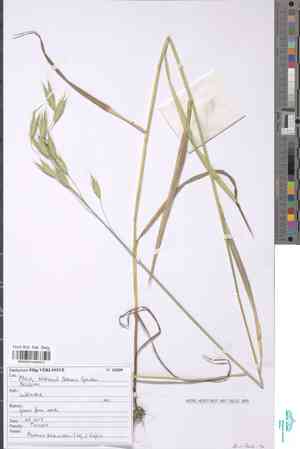
Brome of the ardennes thrives when relocated between early and late spring, since the warmer ground and extended daylight hours encourage vigorous development. Select a bright, adequately drained spot, guaranteeing the plant acclimates quickly and without difficulty.
What Preparations are Needed Before Transplanting Brome Of The Ardennes?
What is the Ideal Time for Transplanting Brome Of The Ardennes?
For brome of the ardennes, the best period for relocation spans from the beginning of early spring through the end of late spring. This timing allows the plant to benefit from warmer soil and moderate moisture levels. Moving brome of the ardennes during this window encourages strong root development and lessens the chance of frost damage, leading to more vigorous and healthy growth.
How Much Space Should You Leave Between Brome Of The Ardennes Plants?
Ensure each brome of the ardennes plant is spaced 12-18 inches (30-45 cm) apart. This provides ample room for growth without crowding, optimizing their potential to flourish.
What is the Best Soil Mix for Brome Of The Ardennes Transplanting?
Prepare soil that drains well and is enriched with organic material. Mix in a balanced foundational fertilizer, such as a 10-10-10 (N-P-K) blend, before planting to supply essential nutrients.
Where Should You Relocate Your Brome Of The Ardennes?
Choose a sunny spot for transplanting. Brome of the ardennes plants thrive with full sun exposure, which means about 6-8 hours of direct sunlight daily.
What Equipments Should You Prepare Before Transplantation Brome Of The Ardennes?
Gardening Gloves
To safeguard your hands while handling soil and plants.
Shovel or Spade
For excavating the plant and creating a new planting hole.
Trowel
Useful for minor adjustments and extracting the plant from containers or trays.
Watering Can or Hose
For hydrating the plant before and after its relocation.
Mulch
Helps maintain soil moisture post-transplanting.
Stakes and Ties
To offer support to the plant if it is large or top-heavy.
How Do You Remove Brome Of The Ardennes from the Soil?
How Do You Remove Brome Of The Ardennes from the Soil?
From Ground: First, moisten the soil around the brome of the ardennes plant. Then, dig a wide trench around the plant using a shovel or spade, making sure the plant's root ball stays intact. Carefully work the spade beneath the root ball to lift the plant from its original spot.From Pot: Water the brome of the ardennes plant thoroughly. Gently tap the pot's sides to loosen the soil. Invert the pot, supporting the plant with your hand, and slide the plant out. If it resists, use a trowel to carefully dislodge it.From Seedling Tray: Water the seedling tray to facilitate removal. Use a trowel to gently lift each brome of the ardennes plant, ensuring the root ball remains whole. Handle seedlings by their leaves to prevent damage to their delicate stems.
Step-by-Step Guide for Transplanting Brome Of The Ardennes
Prep the New Site
Ensure the new location is ready by digging a hole twice the root ball's width and equally deep. This provides ample room for root expansion.
Remove the Plant
Carefully extract the brome of the ardennes plant from its initial spot, using the appropriate method for ground, pot, or seedling tray.
Transfer to New Site
Position the brome of the ardennes plant in the center of the hole. Make sure the top of the root ball is level with the surrounding soil surface.
Backfill the Hole
Refill the hole with the excavated soil, ensuring no air pockets remain. Gently press the soil around the plant to secure it.
Water Thoroughly
Give the brome of the ardennes plant a good drenching with water. This helps settle the soil around the roots and provides essential moisture.
Apply Mulch
Add a layer of mulch around the base of the brome of the ardennes plant, being careful not to cover the stem. Mulch helps retain soil moisture and inhibits weed growth.
Support (if needed)
Install stakes and ties if the brome of the ardennes plant requires support. This is particularly important for tall plants or in windy areas.
How Do You Care For Brome Of The Ardennes After Transplanting?
Watering
Keep the soil around the brome of the ardennes consistently moist, but not waterlogged, for the initial weeks post-transplant to aid in strong root establishment.
Monitoring
Observe the brome of the ardennes plant for indications of transplant shock, such as wilting or yellowing foliage. Adjust care as necessary.
Fertilization
Once the plant appears settled (typically after a few weeks), you can begin a regular, balanced fertilization routine to promote healthy growth.
Weed Control
Regularly inspect for and remove any weeds near the brome of the ardennes plant to lessen competition for nutrients and water.
Troubleshooting Common Issues with Brome Of The Ardennes Transplantation.
When is the best time to transplant brome of the ardennes?
The ideal time is from early spring to late spring for prime growth conditions.
What soil type is ideal for transplanting brome of the ardennes?
Brome of the ardennes thrives best in well-draining, sandy-loam soil enriched with organic matter.
How much space should I leave between transplants?
Space each plant 12-18 inches (30-45 cm) apart to ensure proper growth and airflow.
How should I prepare the soil before transplanting brome of the ardennes?
Loosen the soil to a depth of 8-10 inches (20-25 cm) and mix in compost.
What should I do if brome of the ardennes plants appear stressed after transplanting?
Ensure they receive adequate water and shade them if needed to reduce stress.
How often should I water newly transplanted brome of the ardennes?
Water them thoroughly immediately after transplanting and keep the soil consistently moist.
What kind of fertilizer is best for brome of the ardennes?
Use a balanced, slow-release fertilizer or compost to provide necessary nutrients.
Should I prune brome of the ardennes after transplanting?
Remove any damaged or dead leaves but avoid heavy pruning to reduce plant stress.
How can I prevent pests and diseases in brome of the ardennes after transplanting?
Keep the garden area clean, avoid overhead watering, and consider using natural pesticides.
What can cause brome of the ardennes to wilt after transplanting?
Common causes include inadequate watering, transplant shock, or poor soil conditions. Address these issues promptly.



