How to Transplant Chinese mustard?
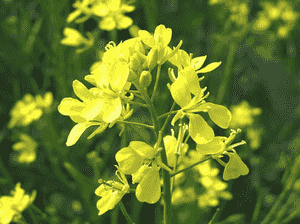
For Brassica juncea, the optimal period for relocation is from late spring to mid-autumn, when temperatures are favorable for development. Choose an area featuring adequately draining earth in a sun-exposed position. Ensure you offer additional attention during the adjustment phase to guarantee a successful transfer.
What Preparations are Needed Before Transplanting Chinese Mustard?
What is the Ideal Time for Transplanting Chinese Mustard?
The optimal period to move chinese mustard is from late spring to mid-autumn. This timeframe offers a mild climate, which helps chinese mustard establish roots and grow robustly. Transplanting during this window provides an extended growth cycle for chinese mustard, promoting a stronger, healthier plant. Your garden will thrive with this addition, guaranteed!
How Much Space Should You Leave Between Chinese Mustard Plants?
To allow your chinese mustard ample room to develop, ensure each plant is spaced 6-12 inches (15-30 cm) apart. This will provide them with sufficient space to flourish and thrive!
What is the Best Soil Mix for Chinese Mustard Transplanting?
For optimal outcomes, utilize well-draining, loamy soil with a pH level that is slightly acidic to neutral. Prior to transplanting, incorporate a balanced, slow-release fertilizer to enrich the soil and nourish your chinese mustard.
Where Should You Relocate Your Chinese Mustard?
Select a location that offers full sun to partial shade for your chinese mustard to enjoy. They require at least 6 hours of daily sunlight, so ensure they receive adequate exposure for peak growth.
What Equipments Should You Prepare Before Transplantation Chinese Mustard?
Gardening Gloves
To safeguard your hands while handling soil and plants.
Shovel or Spade
For excavating holes and extracting the plant from its initial spot.
Trowel
For carefully relocating chinese mustard seedlings without harming their roots.
Watering Can
For hydrating the plant before and after its relocation.
Compost or Well-rotted Manure
For enriching the planting site prior to transplantation.
How Do You Remove Chinese Mustard from the Soil?
How Do You Remove Chinese Mustard from the Soil?
From Ground: First, hydrate the chinese mustard plant to moisten the soil. Next, dig a wide trench around the plant using a shovel or spade, ensuring the plant's root ball remains intact. Carefully work the spade beneath the root ball to lift the plant from its original position.From Pot: Water the chinese mustard plant thoroughly before extracting it from the pot. Gently compress the sides of the pot to loosen the soil, then carefully slide the plant out, keeping its root ball undisturbed.From Seedling Tray: Use a small trowel to scoop out each individual chinese mustard seedling, taking care not to damage the roots. Be sure to lift the seedlings by holding their leaves rather than their delicate stems.
Step-by-Step Guide for Transplanting Chinese Mustard
Preparation
Determine when to transplant your chinese mustard based on its developmental stage, ideally when it possesses 3-4 true leaves. Schedule the transplanting for a cool, overcast day or in the late afternoon.
Site Selection
Choose an appropriate spot for relocating the chinese mustard with ample space and suitable sunlight exposure.
Soil Preparation
Prepare the soil by loosening it with a shovel or spade and mixing in compost or well-rotted manure to create a fertile planting bed.
Planting Hole
Dig a hole slightly larger than the root ball of the chinese mustard plant using a trowel or shovel.
Transplanting
Carefully place the chinese mustard plant into the planting hole, ensuring the top of the root ball is level with the soil surface. Gently backfill the hole, firming the soil around the plant to eliminate air pockets.
Watering
Water the chinese mustard plant immediately after transplanting to settle the soil and aid root establishment.
How Do You Care For Chinese Mustard After Transplanting?
Watering
Maintain consistent soil moisture, but avoid over-watering your chinese mustard plant to prevent root rot. Be mindful of changing water requirements as the plant matures.
Mulching
Apply a layer of organic mulch around the base of the chinese mustard plant to help retain moisture and suppress weeds. Keep the mulch a few inches away from the stem to prevent disease.
Feeding
Apply a balanced, slow-release fertilizer to support your chinese mustard's growth according to the product guidelines.
Staking
If your chinese mustard plant grows tall and heavy, consider providing stakes for support. Secure the stems loosely to the stakes with soft twine or plant ties.
Monitoring
Regularly inspect your chinese mustard plant for indications of pests or diseases, and address them promptly as necessary.
Troubleshooting Common Issues with Chinese Mustard Transplantation.
What's the best time to transplant chinese mustard seeds?
The ideal season for transplanting chinese mustard is between late spring and mid-fall, as this plant thrives in mild weather.
How much space should I leave between each chinese mustard?
To ensure healthy growth, maintain a spacing of 6-12 inches (15-30 cm) between each chinese mustard when transplanting.
What should I do if the chinese mustard looks wilted after transplantation?
The plant may be experiencing transplant shock. Consistent watering, maintaining a moderate climate, and adding fertilizer can aid recovery.
What's the optimal depth to bury chinese mustard seeds?
The seeds of the chinese mustard do not need to be buried too deeply; approximately half an inch (1.2 cm) should suffice.
What type of soil does chinese mustard prefer during transplantation?
Chinese mustard prefers well-drained, fertile soil with a neutral to slightly alkaline pH.
How frequently should I water chinese mustard after transplantation?
Water chinese mustard thoroughly after transplanting, then maintain moisture by irrigating the plant every 2-3 days.
Does chinese mustard need a lot of sun?
Chinese mustard loves sunshine! Ensure you select a spot that receives at least 6-8 hours of full sun daily.
My chinese mustard is not growing as expected, what can be the reason?
Likely reasons could be insufficient sunlight, inadequate water, incorrect spacing, or poor soil conditions. Adjust these factors for improved growth.
Can chinese mustard be grown in containers?
Yes, chinese mustard adapts well to container gardening. However, ensure the container is deep enough and has good drainage.
What measures should I take to protect my transplanted chinese mustard from pests and diseases?
Avoid overwatering and regularly monitor for signs of pests. Use organic pesticides if necessary and practice crop rotation to prevent disease.



