How to Transplant Side-Oats Grama?
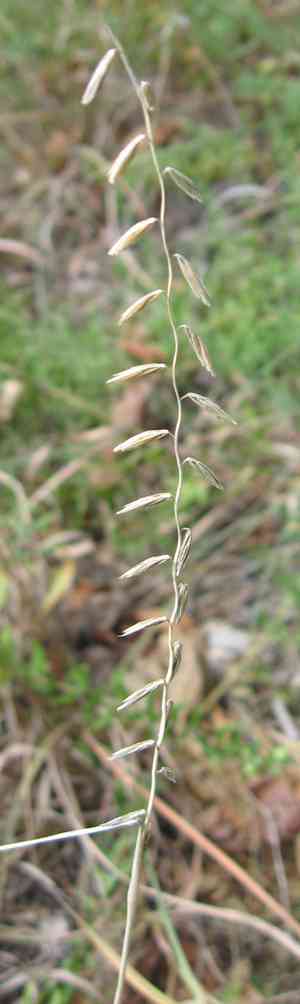
The optimal period for transplanting side-Oats Grama into your landscape is from mid to late spring, providing moderate temperatures and ample time for establishment. Select a bright spot with soil that drains effectively, guaranteeing favorable growth. Bear in mind, careful handling safeguards the root system.
What Preparations are Needed Before Transplanting Side-oats Grama ?
What is the Ideal Time for Transplanting Side-oats Grama ?
Moving side-Oats Grama during the pleasant period of mid to late spring provides optimal conditions for root development, ensuring a strong beginning for these resilient perennials. Choosing this timeframe allows side-Oats Grama to benefit from mild temperatures and consistent moisture, crucial for newly settled plants. This timing naturally aligns with seasonal cycles, enabling side-Oats Grama to flourish in its new spot.
How Much Space Should You Leave Between Side-oats Grama Plants?
When relocating side-Oats Grama , ensure ample room for its growth. An optimal separation would be approximately 2-3 feet (60-91 cm) between each plant. This guarantees that your side-Oats Grama has sufficient area to expand and thrive.
What is the Best Soil Mix for Side-oats Grama Transplanting?
For side-Oats Grama , well-draining soil serves as an excellent foundation. Sandy or loamy soil would be perfect. Prepare the soil by incorporating a balanced slow-release fertilizer to give your side-Oats Grama a vigorous start.
Where Should You Relocate Your Side-oats Grama ?
Regarding sun exposure, side-Oats Grama prefers full sun but can also tolerate partial shade. Select a site that receives at least 6 hours of direct sunlight daily. This will ensure your side-Oats Grama develops robustly and healthily.
What Equipments Should You Prepare Before Transplantation Side-oats Grama ?
Gardening Gloves
To shield your hands from dirt and minor injuries when handling the plant and its root system.
Shovel or Spade
Used for excavating holes in the ground and for moving the side-Oats Grama plant.
Gardening Fork
Helpful for loosening soil, especially when transplanting from the ground.
Watering Can or Hose
To moisten the soil before and after the transplanting process.
Garden Pruners or Scissors
May be necessary for cutting and trimming roots or foliage during relocation.
Wheelbarrow or Buckets
Convenient for transporting the plant, particularly when dealing with larger specimens.
Trowel
Ideal for digging smaller holes and extracting the plant from containers.
How Do You Remove Side-oats Grama from the Soil?
How Do You Remove Side-oats Grama from the Soil?
From Ground: Start by watering the soil to facilitate digging, being careful not to oversaturate the area. Once the soil is adequately moist, use a gardening fork or spade to dig a circle around the side-Oats Grama plant without harming its root system. Then gently lift the plant from the ground, preserving as much of the root ball as possible.From a Pot: Lightly water the side-Oats Grama then carefully turn the pot on its side, tapping it to loosen the soil and root ball. Gently pull the plant from its base, and it should slide out. If the plant resists, it might be root-bound, and you can carefully break the pot if it's disposable.From a Seedling Tray: Water the seedling to moisten the root ball, then use a spoon or small trowel to scoop out the seedling along with its surrounding soil. Exercise particular caution to avoid damaging the roots or the young stem.
Step-by-Step Guide for Transplanting Side-oats Grama
Preparation
First, use your shovel or spade to dig a hole approximately twice as wide and equally deep as the root ball of your side-Oats Grama plant. This extra space will allow the roots to spread and grow.
Placement
Carefully position the side-Oats Grama plant into the prepared hole. The top of the root ball should be flush with or slightly above the ground's surface level.
Backfill
Refill the hole with the excavated soil. Use your hands to firmly but gently press the soil around the base of the side-Oats Grama , removing any air pockets.
Watering
Thoroughly water the plant using a watering can or hose. This will settle the soil around the roots and provide essential hydration.
Mulching
Apply a layer of mulch around the plant's base. This will help the soil retain moisture and reduce competition from weeds.
How Do You Care For Side-oats Grama After Transplanting?
Regular Watering
Water the side-Oats Grama thoroughly after transplanting and maintain consistent moisture in the surrounding soil, especially during the initial weeks.
Pruning
Any dead or damaged foliage should be trimmed to encourage new growth.
Monitoring
Watch for any signs of distress such as wilting, yellowing, or scorched edges. If these appear, ensure the plant is not over or under-watered, and not exposed to extreme temperature shifts.
Weed Control
Regularly remove any weeds around the side-Oats Grama that could compete for vital resources.
Troubleshooting Common Issues with Side-oats Grama Transplantation.
When's the best time to transplant side-Oats Grama ?
The ideal period for relocating side-Oats Grama is from late spring to summer (S2-S3). This is when the plant is most active and ready for a change.
How much space should I leave between side-Oats Grama plants during transplantation?
Aim for a 2 to 3 feet (60â90 cm) gap between each side-Oats Grama plant. This provides ample room for their growth and spread.
Why are my transplanted side-Oats Grama plants wilting?
Wilting post-transplant might be due to transplant shock. Ensure side-Oats Grama is adequately watered but not waterlogged, and offer shade for a few days to aid stabilization.
What type of soil is most suitable for transplanting side-Oats Grama ?
Side-Oats Grama thrives in well-draining soil, preferring sandy or loamy types. However, it's quite adaptable and can also tolerate clay soil.
Do I need to fertilize the side-Oats Grama immediately after transplanting?
It's not necessary right away. In fact, wait at least a month before applying any fertilizer to prevent burning the newly transplanted roots.
What's the best way to water side-Oats Grama after transplanting?
Water your side-Oats Grama thoroughly immediately after transplanting. Afterward, keep the soil consistently moist but not saturated to minimize transplant shock.
Why is the foliage of my transplanted side-Oats Grama turning yellow?
Yellowing could indicate overwatering or poor drainage. Ensure your side-Oats Grama isn't sitting in water, and review your watering habits. It might also signal a nutritional deficiency.
How much sunlight does my transplanted side-Oats Grama need?
Side-Oats Grama prefers full sun to light shade. Insufficient light can lead to weak, leggy growth, while excessive light can cause leaf scorching.
Should I prune my side-Oats Grama after transplanting?
Not immediately. Wait until the next growing season before pruning to allow the plant to establish itself in its new location.
Can side-Oats Grama plants be transplanted in containers?
Yes, side-Oats Grama can be successfully moved into containers. Ensure the pot offers sufficient space for growth and has good drainage.



