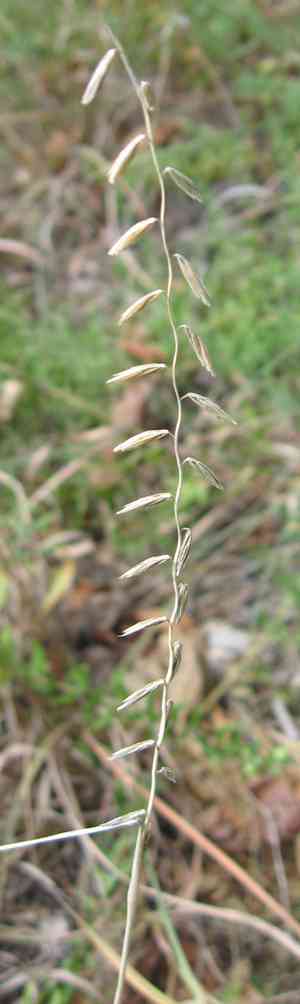
Side-Oats Grama (Bouteloua curtipendula)
Also known as: Banderita, Side-Oats Grama Grass, Side oats
Crested Wheatgrass is a resilient perennial that thrives in warm seasons. Known for its drought and cold tolerance, it blooms small flowers during summer and fall. This grass is ideal for livestock forage and is also utilized for erosion control.
In This Article
Attributes of Side-Oats Grama
Lifespan
Perennial
Plant Type
Herb
Plant Height
30 cm to 91 cm
Spread
60 cm
Leaf Color
Green Yellow Gray Brown
Flower Size
2.5 cm
Flower Color
Green White Red
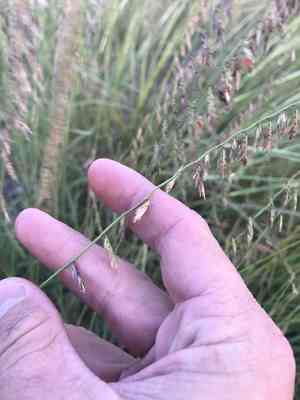
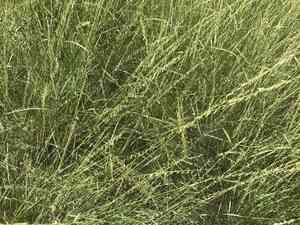
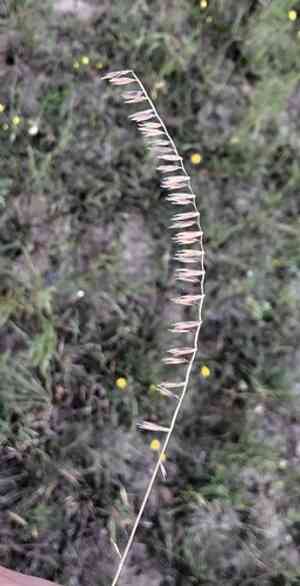
Images of Side-Oats Grama
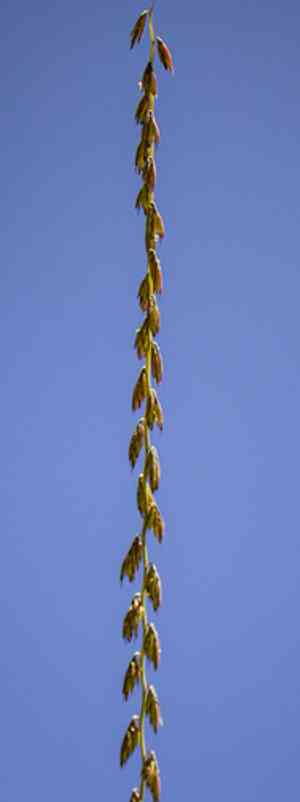
Quickly Identify Side-Oats Grama
1
Identifying Bouteloua curtipendula involves looking for its unique, oat-like seed spikes that droop to one side. The leaves are narrow and the flowering stems are wiry and upright.
Scientific Classification of Side-Oats Grama
Phylum
Vascular plants
Class
Monocotyledons
Order
Poales
Family
Grass
Genus
Grama grasses
Species
Side-Oats Grama
Planting and Growing of Side-Oats Grama
Care Difficulty
Easy
Watering Schedule
Every 3 days
Sunlight Requirements
Full sun
Sunshine Duration
4-6 hours
Ideal Temperature
60-85℉
Soil Type
Potting Mix, Peat Mix
Soil pH
6.5-7.5
Fertilizer Type
Balanced
Pruning Season
Spring, Summer
Pruning Area
Branches, Leaves
Pruning Frequency
2 times a year
Repotting Season
Spring
Pot Type
Ceramic, Plastic
 How to Water Side-Oats Grama?
When watering Bouteloua curtipendula, aim to soak the soil thoroughly without waterlogging it. Approximately 250 mL of water per plant is adequate. Ensure that the soil dries out between waterings to maintain healthy root aeration.
What are the symptoms of an underwatered Side-Oats Grama?
›
What should I do if my Side-Oats Grama is not getting enough water?
›
What are the symptoms of an overwatered Side-Oats Grama?
›
How to save an overwatered Side-Oats Grama?
›
 What Are the Sunlight Requirements for Side-Oats Grama?
Bouteloua curtipendula prefers full sun to partial sun, thriving with 6 to 8 hours of direct exposure. This light range is crucial for its optimal growth, maintaining strong stems and vibrant leaf coloration.
More About Sunlight Requirements Techniques→
What are the ideal lighting conditions for Bouteloua curtipendula?
›
What solutions exist to provide ideal light for Bouteloua curtipendula?
›
What benefits does ideal light provide Bouteloua curtipendula?
›
 What Is the Ideal Temperature Range for Side-Oats Grama?
The ideal temperature range for growing Bouteloua curtipendula is between 60°F and 85°F. This range provides optimal conditions for photosynthesis and growth. The plant thrives in warm environments, which aligns with its native prairie habitat.
 What Soil is Best for Side-Oats Grama?
Bouteloua curtipendula thrives in well-drained soil, which prevents water from pooling around the roots and ensures healthy root development. This requirement is crucial as it aids in preventing root rot and other moisture-related issues. Although this plant is drought-tolerant, it benefits from nutrient-rich soil conditions which can support strong growth and greater resilience against pests. Providing a balanced mix of nutrients helps boost the plant's vigor. While the soil should be well-drained, it must also retain some moisture to keep the plant healthy. This balance ensures the plant gets enough water without becoming soggy, supporting optimal growth.
 How to Fertilize Side-Oats Grama?
For Bouteloua curtipendula, it is important to use fertilizers sparingly. A balanced fertilizer with equal parts nitrogen, phosphorus, and potassium works well. Use about half the recommended dose for other grasses as over-fertilization can be harmful.
 How to Prune Side-Oats Grama?
Start by identifying any dead, damaged, or weak stems that need to be removed. These should be cut back to the base to encourage new healthy growth from the root. Trim back taller stems to promote a more uniform growth pattern. This helps maintain the ornamental appearance of Bouteloua curtipendula and encourages fuller growth. When pruning, try to mimic the natural growth form of the plant. Cutting at outward-facing buds can encourage a more natural look and prevent the plant from appearing too artificial. After pruning, collect and dispose of all debris to minimize disease risk. You may compost healthy clippings but discard anything diseased or infested outside your garden area.
More About Pruning Techniques→
 How to Propagate Side-Oats Grama plant?
1
Sow the seeds of Bouteloua curtipendula in seed trays filled with well-draining potting mix. Place them lightly on the surface and cover them with a thin layer of soil. Ensure the trays are placed in a warm, well-lit area.
2
Once seeds are sown, maintain consistent moisture in the soil without it becoming waterlogged. Water gently using a spray bottle or a watering can with a fine rose attachment to prevent disturbing the seeds.
3
Identify mature plants that can be divided. Carefully dig up the plant and use a sharp knife or spade to divide it into smaller sections, taking care to retain roots and shoots in each division.
 How to Repot Side-Oats Grama plant?
1
Bouteloua curtipendula, commonly known as Sideoats Grama, shows signs of needing a repotting when its roots become visibly overgrown, often poking through drainage holes or circling the pot's edge. Additionally, if you notice a dramatic decrease in growth or the soil taking too long to dry, it's likely time to give your plant a new home.
2
When selecting a pot for your Sideoats Grama, consider choosing one that is only slightly larger than the current size, preferably made of breathable material like terracotta. This helps prevent overwatering and allows for moisture regulation, essential for maintaining healthy roots and growth.
3
A well-draining, sandy mix is ideal for repotting Bouteloua curtipendula. This type of soil prevents root rot by allowing excess water to flow away and simultaneously provides the perfect balance of nutrients and aeration needed to support healthy plant development.
Learn More About Side-Oats Grama Diseases
Anthracnose
Bacterial Leaf Spot
Bacterial Wilt
Chemical Injury
Cyst Nematode
Damping-off
Downy Mildew
Drought Stress
Fusarium Wilt
Gray Mold
Leaf Spot
Mosaic
Nutrient Deficiency
Nutrient Toxicity
Powdery Mildew
Root Rot
Root-knot Nematode
Rusts
Sooty Mold
Spider Mites
Temperature Stress
Thrips Damage
White Mold



