How to Transplant Boea hygrometrica?
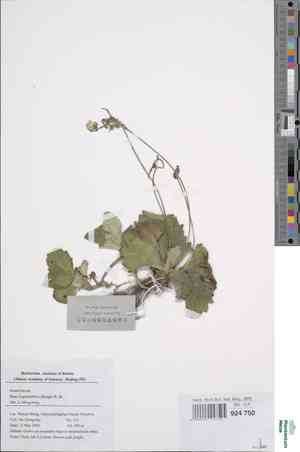
Relocate boea hygrometrica during the spring season, as the mild climate fosters root development. Choose a shaded spot featuring soil that drains effectively. After transplanting, ensure the soil remains damp to aid boea hygrometrica's adjustment.
What Preparations are Needed Before Transplanting Boea Hygrometrica?
What is the Ideal Time for Transplanting Boea Hygrometrica?
The best time for relocating boea hygrometrica is from early spring until the start of summer. Moving boea hygrometrica during this period takes advantage of milder temperatures, which is vital for root establishment without the stress of summer heat. Transplanting now ensures a strong beginning, utilizing the season's natural rainfall and longer days for optimal development. This careful timing promotes a robust foundation for boea hygrometrica, enhancing its vitality and flowering potential for the upcoming season.
How Much Space Should You Leave Between Boea Hygrometrica Plants?
When getting ready to move your boea hygrometrica, aim for a comfortable spacing of approximately 6-8 inches (15-20 cm) apart. This provides each plant ample room to thrive without crowding its neighbors.
What is the Best Soil Mix for Boea Hygrometrica Transplanting?
Your boea hygrometrica will flourish in well-draining soil with a good amount of compost or a balanced slow-release fertilizer to give it a strong start. A little effort spent enriching the soil now can lead to vigorous growth later!
Where Should You Relocate Your Boea Hygrometrica?
Find a location for your boea hygrometrica that receives soft, indirect light. Too much direct sun can be harsh, so a spot with filtered sunlight throughout the day is ideal for these delicate plants.
What Equipments Should You Prepare Before Transplantation Boea Hygrometrica?
Gardening Gloves
To safeguard your hands while handling soil and plants.
Shovel or Spade
For excavating the root ball and preparing the new planting site.
Hand Trowel
For smaller or more delicate digging tasks.
Pruning Shears
To trim any dead or excess foliage prior to transplanting.
Watering Can or Hose
To hydrate the boea hygrometrica before and after relocation.
Wheelbarrow or Garden Cart
To transport the plant and soil if necessary.
Root Pruning Saw or Knife
For cutting through larger, tough roots when separating plants.
Soil Amendment
If the existing soil requires improvement, based on prior recommendations.
How Do You Remove Boea Hygrometrica from the Soil?
How Do You Remove Boea Hygrometrica from the Soil?
From Ground: First, water the boea hygrometrica plant to moisten the soil and reduce stress on its roots. Carefully dig around the plant with a shovel or spade to avoid damaging the root ball. Gently work your tool beneath the plant to free the root ball and lift it from the ground.From Pot: Water the plant to facilitate the root ball's removal from the pot. Tip the pot sideways and gently tap or squeeze its sides to loosen the soil. Grasp the base of the plant and carefully ease it out, preserving the integrity of the root ball.From Seedling Tray: Water the seedlings thoroughly before transplanting. Using a hand trowel or a similar tool, carefully lift each seedling from its cell, ensuring to support the root ball and prevent root damage.
Step-by-Step Guide for Transplanting Boea Hygrometrica
Plant Preparation
Water the boea hygrometrica thoroughly beforehand to ensure roots are hydrated, making them less susceptible to damage.
Digging Up
Carefully excavate around and beneath the boea hygrometrica to remove it from its current spot with minimal root disturbance.
Root Inspection
Examine the root ball for any indications of disease, damage, or entanglement. Trim away any unhealthy roots using pruning shears.
Transportation
If moving over a distance, place the boea hygrometrica on a tarp or in a wheelbarrow to transport it to the new location without losing soil or harming the plant.
Observing Root Ball Size
Note the size of the root ball to determine the dimensions of the new planting hole. It should be twice the width of the root ball and the same depth.
Preparing Planting Hole
Use the shovel or spade to dig a hole that is suitable for the root ball's measurements.
Planting
Gently lower the boea hygrometrica into the center of the hole, ensuring it is at the same level it was growing at previously.
Backfilling
Refill the hole with soil, gently tamping down to eliminate air pockets without overly compacting the soil around the roots.
Watering In
After transplanting, water the boea hygrometrica generously to settle the soil and provide moisture to its roots.
How Do You Care For Boea Hygrometrica After Transplanting?
Watering
Ensure the boea hygrometrica receives consistent water to keep the soil uniformly moist while new roots establish themselves.
Mulching
Apply a layer of mulch around the base of the boea hygrometrica to help retain moisture, regulate soil temperature, and reduce weed competition.
Support
If the boea hygrometrica is tall or top-heavy, use stakes or supports to keep it upright and shield it from winds until it can support itself.
Monitoring
Regularly check the boea hygrometrica for signs of stress, such as wilting or discolored leaves, and take appropriate action.
Adjusting Care
As the boea hygrometrica acclimates to its new location, gradually reduce watering to match its typical moisture requirements to encourage strong root development.
Troubleshooting Common Issues with Boea Hygrometrica Transplantation.
When is the ideal time to transplant boea hygrometrica?
The best time for transplanting boea hygrometrica is throughout early to late spring, to ensure it settles before summer.
How much space does boea hygrometrica need when transplanting?
Aim for adequate root spread with spacings of 6-8 inches (15-20 cm) apart for healthy growth.
Why is my transplanted boea hygrometrica wilting?
Wilting after transplanting may be due to shock. Ensure it's well-watered and not in direct hot sunlight.
What type of soil suits boea hygrometrica best for transplanting?
Transplant boea hygrometrica into well-draining soil rich in organic matter to encourage robust root development.
How deep should I plant boea hygrometrica roots?
The root ball should be planted at the same depth it was growing before, not deeper or shallower.
Can boea hygrometrica be transplanted in full sunlight?
Transplant boea hygrometrica into a spot with partial shade to protect it from the harshness of direct sun initially.
What is the proper watering routine post-transplanting boea hygrometrica?
Water thoroughly after transplanting and maintain consistent moisture without overwatering for the first few weeks.
Should I fertilize boea hygrometrica right after transplanting?
Wait 4-6 weeks before fertilizing to allow boea hygrometrica to establish its roots in the new location.
How to protect boea hygrometrica from transplant shock?
Minimize root disturbance during transplanting, water adequately, and provide shade if necessary.
When can I expect boea hygrometrica to fully recover post-transplant?
With proper care, boea hygrometrica should begin to show signs of recovery and new growth within a few weeks.



