
Boea hygrometrica (Boea hygrometrica)
Also known as: Resurrection Plant, Chinese Resurrection Plant
The resurrection plant, such as *Selaginella lepidophylla*, is remarkable for its ability to endure severe dehydration. It can survive without water for extended periods, appearing dead and brittle. Upon rehydration, it astonishingly revives and turns green again.
In This Article
Attributes of Boea hygrometrica
Lifespan
Perennial
Plant Type
Herb
Plant Height
10-20 cm
Spread
15-30 cm
Leaf Color
Green to grey-green
Flower Size
0.5-1 cm
Flower Color
White Purple
Images of Boea hygrometrica

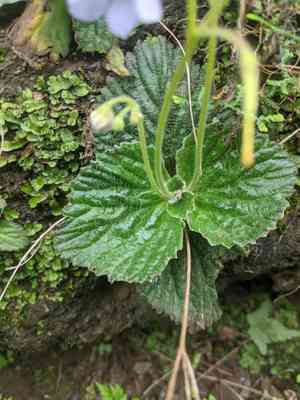

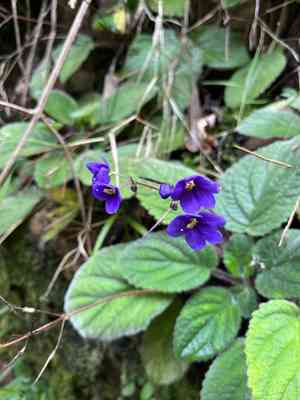
Quickly Identify Boea hygrometrica
1
This plant can be identified by its hairy leaves and small, violet-blue flowers. A notable feature is its ability to survive desiccation and rapidly recover when rehydrated.
Scientific Classification of Boea hygrometrica
Phylum
Vascular plants
Class
Dicotyledons
Order
Mints plantains olives and allies
Family
African violet
Genus
Boea
Species
Boea hygrometrica
Planting and Growing of Boea hygrometrica
Care Difficulty
Easy
Watering Schedule
Every 2 days
Sunlight Requirements
Partial sun
Sunshine Duration
4-6 hours
Ideal Temperature
65-75℉
Soil Type
Potting Mix, Peat Mix
Soil pH
6.5-7.5
Fertilizer Type
Balanced
Pruning Season
Spring, Summer
Pruning Area
Branches, Leaves
Pruning Frequency
2 times a year
Repotting Season
Spring
Pot Type
Plastic, Ceramic
 How to Water Boea hygrometrica?
When watering Boea hygrometrica, aim for a thorough soaking, allowing water to reach the plant's roots without leaving the soil waterlogged. The plant typically thrives when watered with about 100 ml each time, ensuring moisture reaches its deeper roots without drowning them.
What are the symptoms of an underwatered Boea hygrometrica?
›
What should I do if my Boea hygrometrica is not getting enough water?
›
What are the symptoms of an overwatered Boea hygrometrica?
›
How to save an overwatered Boea hygrometrica?
›
 What Are the Sunlight Requirements for Boea hygrometrica?
Partial sun or full shade. The ideal light conditions engage the plant's photosynthetic capabilities efficiently, leading to robust growth and vibrant foliage. Maintaining the right light conditions boosts its overall health and longevity.
How much sunlight does Boea hygrometrica need?
›
What are the best locations indoors for this plant?
›
Solution for inadequate lighting?
›
 What Is the Ideal Temperature Range for Boea hygrometrica?
The ideal temperature range for Boea hygrometrica, commonly known as the resurrection plant, is between 65°F and 75°F. This range replicates their natural environment, where stable temperatures support consistent hydration levels and optimal photosynthetic activity. Keeping the plant within this range will ensure healthy growth and vibrant leaf coloration.
 What Soil is Best for Boea hygrometrica?
Boea hygrometrica thrives in well-drained soils to prevent waterlogging, which can harm the roots. A well-drained soil structure ensures that excess water flows away, protecting the plant from root rot and providing a healthy growing environment. Maintaining consistent soil moisture is crucial for Boea hygrometrica, as it mimics its natural habitat. Soils with moisture retentive properties ensure that the plant receives an adequate water supply, reducing the need for frequent watering. A nutrient-rich soil provides essential nutrients that support the growth and vibrant foliage of Boea hygrometrica. By enriching the soil with organic matter, gardeners can enhance its fertility and ensure robust growth.
 How to Fertilize Boea hygrometrica?
For Boea hygrometrica, it's essential to apply the right amount of fertilizer to ensure optimal growth. Typically, a diluted liquid fertilizer solution at half the recommended strength, about 10 mL per liter of water, should suffice during the growing season.
 How to Prune Boea hygrometrica?
Begin your pruning by identifying and removing any dead or discolored leaves. Snip them carefully close to the base, making sure not to damage the healthy surrounding tissue. This encourages better air circulation and reduces the risk of fungal problems. After removing the dead parts, focus on shaping the plant. Trim any excessively long stems to maintain a bushy and compact form. This kind of shaping can enhance the plant's aesthetic appeal and ensure even sunlight distribution.
More About Pruning Techniques→
 How to Propagate Boea hygrometrica plant?
1
Collect seeds from mature Boea hygrometrica plants and soak them in warm water for a few hours to help soften the seed coat and improve germination rates.
2
Using sterile scissors, take 4-6 inches cuttings from healthy, non-flowering stems. Remove any leaves from the lower part of the cutting to prevent rot.
3
Carefully separate clumps of the plant so that each section has at least one robust shoot and a portion of the root mass, helping maintain plant vigor and health.
 How to Repot Boea hygrometrica plant?
1
Repot Boea hygrometrica when its roots begin to outgrow the current pot, typically indicated by roots showing at the drainage holes or the plant becoming top-heavy. Spring and summer are ideal because the plant is actively growing, allowing it to recover swiftly from any transplant shock.
2
Choose a pot that is about 2 inches larger in diameter than the current one. This ensures there is enough room for growth without causing excessive water retention. Use a pot with drainage holes to prevent waterlogging, which could harm the roots by preventing adequate air circulation.
3
Select a well-draining potting mix that retains some moisture but doesn't stay soggy. This type of soil facilitates root breathing and prevents root rot. A blend with added perlite or sand is beneficial, providing the perfect balance for optimal growth and hydration.
Learn More About Boea hygrometrica Diseases
Anthracnose
Bacterial Leaf Spot
Bacterial Soft Rot
Bacterial Wilt
Chemical Injury
Damping-off
Downy Mildew
Drought Stress
Fusarium Wilt
Gray Mold
Leaf Curl
Leaf Spot
Mosaic
Nutrient Deficiency
Nutrient Toxicity
Powdery Mildew
Root Rot
Root-knot Nematode
Sooty Mold
Spider Mites
Temperature Stress
Thrips Damage
White Mold



