How to Transplant Smooth beggarticks?
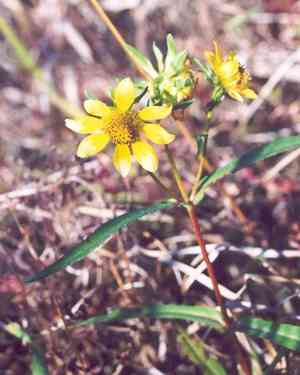
For smooth beggarticks, the ideal period for relocation extends from the end of spring into mid-summer, guaranteeing robust development. Select a bright spot with damp earth. Careful manipulation is crucial to avoid harming the roots.
What Preparations are Needed Before Transplanting Smooth Beggarticks?
What is the Ideal Time for Transplanting Smooth Beggarticks?
For smooth beggarticks, the optimal period for relocation is from late spring's warmth through midsummer's vigorous growth. Moving smooth beggarticks during this timeframe promotes strong root development, as the soil is warm, fostering rapid root expansion. The mild weather minimizes transplant shock, enabling smooth beggarticks to adjust smoothly and flourish in their new spot. By selecting this opportune moment, you'll give smooth beggarticks the best start in its new home, encouraging a lush, vibrant presence in your garden.
How Much Space Should You Leave Between Smooth Beggarticks Plants?
When relocating smooth beggarticks, aim for a separation of approximately 12-18 inches (30-45 cm) between each plant. This provides your smooth beggarticks ample room to expand and thrive!
What is the Best Soil Mix for Smooth Beggarticks Transplanting?
Select a well-draining soil for your smooth beggarticks and incorporate a balanced, slow-release fertilizer to give it a strong start. Soil rich in organic matter will greatly please your smooth beggarticks!
Where Should You Relocate Your Smooth Beggarticks?
Find a sunny location for your smooth beggarticks as they love sunlight. A spot that receives full sun for most of the day will be perfect for these vibrant bloomers to flourish!
What Equipments Should You Prepare Before Transplantation Smooth Beggarticks?
Gardening Gloves
To safeguard your hands while handling soil and plants.
Trowel
For precise digging and relocating the smooth beggarticks.
Spade or Shovel
For extracting the plant from its current position, if it's in the ground.
Watering Can or Hose
To hydrate the smooth beggarticks before and after its move.
Pruning Shears
To trim any dead or excess growth prior to transplanting.
Wheelbarrow or Bucket
To transport the smooth beggarticks and manage any debris.
Measuring Tape
To ensure correct depth and spacing when planting the smooth beggarticks.
How Do You Remove Smooth Beggarticks from the Soil?
How Do You Remove Smooth Beggarticks from the Soil?
From Ground: Hydrate the smooth beggarticks plant to moisten the earth. Dig a wide circle around the plant with a shovel or spade, ensuring the root ball remains intact. Gently work the tool beneath the root ball to carefully lift the plant.From Pot: Water the smooth beggarticks to make the soil damp, aiding removal. Tilt the pot sideways and gently tap or squeeze it to loosen the smooth beggarticks's root ball. Slide the plant out, being careful not to pull on the stems.From Seedling Tray: Moisten the soil to prevent root damage. Use a trowel or your fingers to carefully extract the seedling without disturbing the roots. Support the base of the stem as you lift the smooth beggarticks out.
Step-by-Step Guide for Transplanting Smooth Beggarticks
Preparation
Water your smooth beggarticks thoroughly the day before transplanting to ensure the plant is well-hydrated.
Removing the smooth beggarticks
Depending on its original spot, carefully extract the smooth beggarticks with minimal root disturbance as outlined in the removal process.
Hole Preparation
Dig a hole in the ground that is twice the width of the root ball and of equal depth to ensure the smooth beggarticks sits at the same level it previously grew.
Inspect Roots
Examine the smooth beggarticks's root ball and gently untangle any circling roots to encourage outward growth.
Positioning
Place the smooth beggarticks in the center of the hole. The top of the root ball should be flush with the surrounding soil surface.
Refilling the Hole
Carefully backfill around the root ball with soil, gently firming it to eliminate any air pockets around the roots.
Watering In
Thoroughly water your transplanted smooth beggarticks to settle the soil around the roots and help reduce transplant shock.
How Do You Care For Smooth Beggarticks After Transplanting?
Monitoring
Observe the smooth beggarticks for indications of stress, such as wilting or discoloration, and address any issues promptly.
Staking
If the smooth beggarticks is tall or top-heavy, provide support with a stake to prevent it from bending or breaking.
Mulching
Apply a layer of mulch around the base of the smooth beggarticks to retain moisture, suppress weeds, and regulate soil temperature.
Watering Routine
Establish a consistent watering schedule for the smooth beggarticks to ensure it receives adequate moisture, especially during its first growing season post-transplant.
Pruning
Trim away any dead or damaged foliage to encourage new growth and maintain the smooth beggarticks's shape.
Troubleshooting Common Issues with Smooth Beggarticks Transplantation.
Why is my smooth beggarticks not thriving after transplanting?
Ensure your smooth beggarticks received sufficient watering, appropriate soil conditions, and was moved during the recommended period from late spring to mid-summer.
What's the ideal spacing for smooth beggarticks when transplanting?
Space your smooth beggarticks plants approximately 12-18 inches (30-45 cm) apart to allow them room to grow and flourish.
How deep should I plant smooth beggarticks during transplantation?
Transplant smooth beggarticks at the same depth it was in its previous container to avoid burying the stem, which can lead to rot.
Can I transplant smooth beggarticks in the fall?
It's best to stick with late spring to mid-summer for relocating smooth beggarticks to ensure proper establishment before colder weather.
Why are the leaves of my transplanted smooth beggarticks turning yellow?
Yellowing leaves on smooth beggarticks may indicate excessive watering or poor drainage. Ensure the soil is moist but well-drained.
Should I fertilize smooth beggarticks right after transplanting?
Wait a few weeks before applying a balanced fertilizer to allow smooth beggarticks to establish in its new location without added stress.
My smooth beggarticks is wilting post-transplant, what should I do?
Wilting can be a sign of transplant shock. Keep the soil consistently moist and provide shade if needed until it recovers.
How do I choose the right location for transplanting smooth beggarticks?
Choose a spot with full to partial sun and good drainage. Avoid low-lying areas where water tends to collect.
Can I transplant smooth beggarticks during a heatwave?
It's best to wait for milder temperatures to transplant smooth beggarticks. Extreme heat can stress the plants and hinder root establishment.
What pot size is suitable for transplanting young smooth beggarticks seedlings?
Use a pot that's one size larger than the seedling's current container to give the roots ample space to expand.



