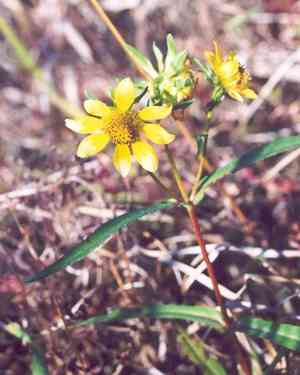
Smooth beggarticks (Bidens laevis)
Also known as: Bur marigold
The smooth beggarticks, also known as Bidens laevis, is a perennial flowering plant from the daisy family. Originating from South America and Mexico, this herbaceous plant thrives in wetland environments.
In This Article
Attributes of Smooth beggarticks
Lifespan
Annual, Perennial, Biennial
Plant Type
Herb
Plant Height
61 cm to 1.5 m
Spread
1.2 m
Leaf Color
Green
Flower Size
2.5 cm to 5 cm
Flower Color
Yellow Brown
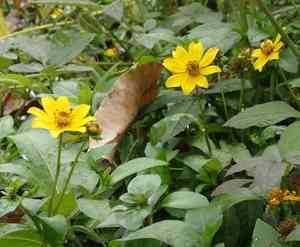
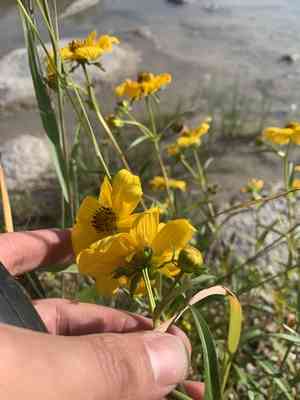
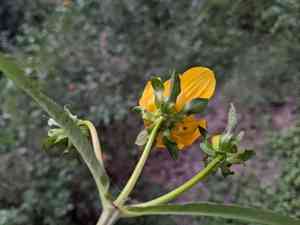
Images of Smooth beggarticks
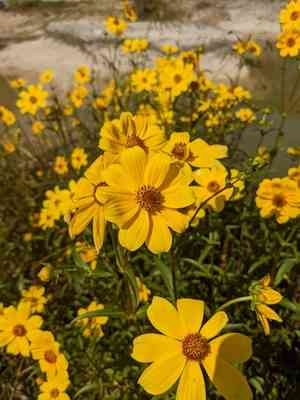
Quickly Identify Smooth beggarticks
1
Bright yellow blooms with brown centers.
2
Sprawling form with drooping flowers and seeds.
3
Lance-shaped leaves, serrated margins, 2-6 inches (5-15 cm) long.
4
Reddish multi-branched stem, smooth texture, 0.2-0.4 inches (5-10 mm) diameter.
5
Golden yellow flowers, 1.5-2 inches (4-5 cm) diameter, brown central disc flowers.
Scientific Classification of Smooth beggarticks
Phylum
Vascular plants
Class
Dicotyledons
Order
Asterales
Family
Daisy
Genus
Beggarticks
Species
Smooth beggarticks
Planting and Growing of Smooth beggarticks
Care Difficulty
Easy
Watering Schedule
Every 8 days
Sunlight Requirements
Full sun
Sunshine Duration
6-10 hours
Ideal Temperature
65-75℉
Soil Type
Potting Mix, Peat Mix
Soil pH
6.5-7.5
Fertilizer Type
Balanced
Pruning Season
Spring, Summer
Pruning Area
Branches, Leaves
Pruning Frequency
2 times a year
Repotting Season
Spring
Pot Type
Plastic, Ceramic
 How to Water Smooth beggarticks?
Bidens laevis thrives in moist environments. When watering, aim for about 500ml, ensuring that the soil is thoroughly soaked but not waterlogged. The water should reach the roots but shouldn't cause the soil to stay soggy for too long. Proper drainage is key to maintaining the right level of moisture without drowning the plant.
What are the symptoms of an underwatered Smooth beggarticks?
›
What should I do if my Smooth beggarticks is not getting enough water?
›
What are the symptoms of an overwatered Smooth beggarticks?
›
How to save an overwatered Smooth beggarticks?
›
 What Are the Sunlight Requirements for Smooth beggarticks?
Bidens laevis prefers full sun, but tolerates partial sun. Ideal light conditions promote healthy leaf development and abundant flowering by maximizing photosynthetic potential.
More About Sunlight Requirements Techniques→
What type of light does Bidens laevis prefer?
›
How can I ensure my Bidens laevis gets the ideal sunlight?
›
What are the benefits of optimal sunlight for Bidens laevis?
›
 What Is the Ideal Temperature Range for Smooth beggarticks?
The ideal temperature range for Bidens laevis is between 65°F and 75°F. This range supports optimal growth and development by providing the right conditions for photosynthesis and nutrient uptake. Maintaining this temperature range helps in preventing stress and encourages blooming.
 What Soil is Best for Smooth beggarticks?
Bidens laevis thrives in nutrient-rich soil that provides ample organic matter. This aids in its strong growth and vibrant flowering, ensuring robust and healthy plants. The plant prefers soil with excellent drainage to prevent root rot. Ensuring proper drainage helps maintain a healthy root system, vital for overall plant health. While good drainage is essential, the soil should also retain moisture, helping Bidens laevis during drier periods. This balance facilitates sustained growth and bloom periods.
 How to Fertilize Smooth beggarticks?
For Bidens laevis, a balanced approach is essential. When using liquid fertilizer, add a dilution of 1 tablespoon per gallon of water. For slow-release fertilizers, apply around 1/4 cup spread evenly over the root zone. Over-fertilizing can harm the plant, so it's important to stick to these guidelines.
 How to Prune Smooth beggarticks?
Start by removing any dead, damaged, or diseased branches. Cut these back to a healthy part of the plant or to ground level. This opens up the plant and improves air circulation, which is vital for preventing fungal infections. Prune back overly long stems by cutting just above a leaf node. This encourages the plant to become bushier and fuller. Step back occasionally to assess the overall shape and ensure a balanced appearance that is aesthetically pleasing. If the plant is becoming too tall or wide, selectively cut back some of the outer and taller shoots. This will maintain the plant’s desired size while allowing light to reach the lower sections, promoting even growth throughout.
More About Pruning Techniques→
 How to Propagate Smooth beggarticks plant?
1
Gather seeds from mature Bidens laevis flowers after they have dried. Ensure that the seeds are healthy and free from any mold or pests before proceeding with propagation.
2
Select healthy stems from the parent plant, making sure they are disease-free. Cut at an angle to increase rooting surface area and dip them in rooting hormone to stimulate root growth.
3
Carefully dig up the parent plant and gently separate the root system into smaller sections. Ensure each section has a reasonable amount of roots before replanting them in suitable soil.
 How to Repot Smooth beggarticks plant?
1
Bidens laevis will signal its need for repotting through a few tell-tale signs. Look for roots that are visibly entangled on the soil surface or emerging from the drainage holes. Another sign is when the plant's growth appears stunted despite adequate care. Lastly, if the soil seems to dry out faster than usual, it's a clear indicator that your plant needs more space for its roots.
2
Selecting the appropriate pot is crucial for the healthy development of Bidens laevis. Ensure the pot is only one size larger than the current one to avoid excess water retention that could lead to root rot. Additionally, choose a pot with plenty of drainage holes to facilitate excellent drainage, ensuring the roots don't sit in water. A breathable material like terracotta can also help in preventing soil moisture build-up.
3
Opt for a well-draining potting mix that retains some moisture but does not remain soggy. A blend containing peat, perlite, and a bit of organic matter will provide the perfect balance of moisture retention and aeration. This combination ensures healthy root growth, preventing suffocation or rot that can occur in more compacted soils.



