How to Transplant Yellow Birch?
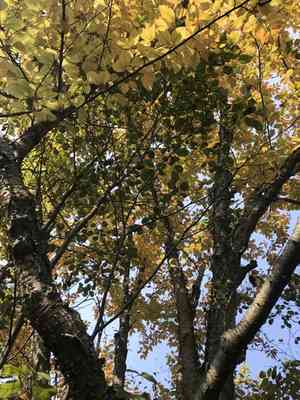
For Betula alleghaniensis, the ideal period for transplanting occurs from early to mid-spring, capitalizing on vigorous developmental phases. Select a location featuring soil that retains moisture and receives filtered sunlight. Confirm ample room for its eventual size, facilitating successful integration without elaborate guidance.
Essential Preparations Before Relocating Yellow Birch
Optimal Timing for Yellow Birch Relocation?
The best period for moving yellow Birch is during the transition from early to mid-spring. At this time, the soil is sufficiently warm, promoting root development. Transplanting yellow Birch in this season allows roots to adapt and strengthen before the rigors of summer heat or winter cold. This provides an opportunity for yellow Birch to flourish, ensuring improved growth and vitality. Rely on this season for a successful relocation, giving yellow Birch the best start in its new spot.
Required Spacing Between Yellow Birch Plants?
When planting your yellow Birch, ensure ample room. Ideally, position each yellow Birch approximately 20-30 feet (6-9 meters) apart. This provides sufficient space for your yellow Birch to grow and expand without encroaching on nearby plants.
Ideal Soil Mixture for Yellow Birch Relocation?
For your yellow Birch, begin with fertile, well-draining soil for optimal outcomes. Incorporate a foundational fertilizer rich in organic matter, which will enrich the soil and give your yellow Birch a healthy start.
Where to Replant Your Yellow Birch?
Searching for the perfect spot for your yellow Birch? You're on the right track! Yellow Birch thrives in full or partial sun. Select a location where it will receive ample sunlight for robust growth. However, diffused light also works wonderfully!
Equipment Needed Before Transplanting Yellow Birch?
Gardening Gloves
Protect hands when handling the plant and soil.
Shovel or Spade
Necessary for carefully excavating the yellow Birch from its original site while preserving the root ball.
Gardening Trowel
Used for more precise work around roots, especially useful when extracting the plant from a pot or seedling tray.
Wheelbarrow or Garden Cart
To safely move the yellow Birch plant from its current spot to the new planting location.
Watering Hose or Can
Used for hydrating the plant before and after relocation.
Organic Mulch
Helps keep roots cool, prevents moisture loss, and discourages weed growth.
How to Extract Yellow Birch from the Soil?
How to Extract Yellow Birch from the Soil?
From Ground: First, moisten the soil around the yellow Birch plant by watering it. Using the shovel, dig a wide trench around the plant, being careful not to damage the plant's root ball. Gently lift the plant with the spade, ensuring the root ball remains intact.From Pot: For pot removal, first, water the plant. Carefully tilt the pot sideways, then tap or shake it to loosen the soil around the edges. Gently pull the yellow Birch plant by holding its base to extract it along with its root ball.From Seedling Tray: Use a trowel or similar tool to carefully remove the yellow Birch seedlings, ensuring you don't harm the roots or foliage. Handle seedlings by their leaves as stems can be quite delicate and easily break.
Step-by-Step Guide for Relocating Yellow Birch
Digging the Hole
Once you've selected a location that meets all the plant's requirements, dig a hole at least twice the width and the same depth as the yellow Birch plant's root ball.
Preparing the Plant
Before placing the yellow Birch plant into the hole, remove any dead or damaged roots.
Placing the Plant
Position the yellow Birch plant in the center of the hole, ensuring the top of the root ball is level with the surrounding soil.
Backfilling
Refill the hole with soil. Gently press the soil with your hands to eliminate air pockets.
Watering
Thoroughly saturate the area around the yellow Birch with plenty of water.
Mulching
Apply a layer of organic mulch around the plant, but avoid direct contact between the mulch and the bark.
Post-Transplant Care for Yellow Birch?
Watering
It's vital to maintain consistent moisture levels for the yellow Birch during the initial weeks after relocation. However, prevent waterlogging as it can harm the plant.
Mulching
Replenish the mulch around your yellow Birch to keep the roots cool and prevent water loss during warm periods.
Pruning
Prune your yellow Birch to encourage its growth. This helps the plant direct its energy towards root development.
Pest Control
Regularly inspect your yellow Birch for any indications of disease or pests, and take prompt action if necessary. Ensure you select only compatible pesticides and adhere to usage instructions.
Resolving Common Issues with Yellow Birch Relocation.
When is the best time to move yellow Birch?
The optimal time to relocate yellow Birch is during S1-S2. This allows the plant to establish its root system before seasonal changes.
How do I determine proper spacing for yellow Birch when transplanting?
Ensure to space your yellow Birchs 20-30 feet (6-9 meters) apart. This adequate spacing promotes healthy growth and development.
What's the correct way to prepare the soil for yellow Birch?
Begin by clearing debris from the area, then loosen the soil to about 10 inches (25 cm) deep. Incorporate compost to further enrich the soil.
How deep should the hole be when relocating yellow Birch?
The hole should be twice as wide and the same depth as the yellow Birch's root ball. This encourages good root establishment.
Why are the leaves of my newly transplanted yellow Birch turning brown?
This is likely due to water stress. Yellow Birch requires consistent moisture, especially after transplanting. Also, ensure the plant isn't over-watered, as that can cause similar problems.
Should I prune yellow Birch after transplanting?
Only prune any damaged or dead branches after transplanting. Postpone any significant shaping until yellow Birch is well-established in its new location.
What kind of light conditions does yellow Birch need?
Yellow Birch prefers full sun to partial shade. A location that receives morning sun but afternoon shade would be most beneficial.
Do I need to stake yellow Birch when transplanting?
Stake yellow Birch only if it's in an area with strong winds. Remove the stakes after the first year to allow the tree to develop strong, self-supporting trunks.
What kind of aftercare does yellow Birch need post-transplanting?
After transplanting, yellow Birch requires consistent watering and periodic feeding with slow-release fertilizer. Protect against pests and promptly remove any diseased or insect-infested parts.
When will I see new growth on my transplanted yellow Birch?
You should observe new growth within several weeks of transplanting, assuming yellow Birch has been properly relocated in the correct season and given optimal care.



