How to Transplant Brazil nut?
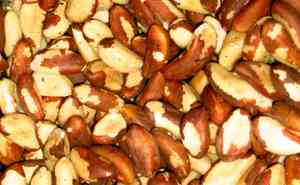
Brazil nut transplantation flourishes when performed as temperatures rise, specifically from mid to late spring, facilitating a smooth adjustment. For peak development, a location offering shade to partial sun is essential, along with soil abundant in organic compounds. A crucial piece of advice: handle with care; their root systems are delicate.
What Preparations are Needed Before Transplanting Brazil Nut?
What is the Ideal Time for Transplanting Brazil Nut?
For brazil nut, the optimal period for relocation is from mid to late spring. This timeframe offers mild temperatures and consistent weather, promoting strong root development and growth. Moving brazil nut during this favorable season leverages natural growing conditions, setting the stage for a flourishing plant. It's the perfect moment to nurture and adapt brazil nut to a new environment, utilizing spring's gentle warmth and extended daylight. Transplant now for excellent adaptation!
How Much Space Should You Leave Between Brazil Nut Plants?
Your brazil nut will require ample room to develop. Ensure a spacing of approximately 20-30 feet (6-9 meters) between each plant. This practice allows them to grow correctly without competing for essential nutrients.
What is the Best Soil Mix for Brazil Nut Transplanting?
Let's first prepare the perfect bed for your brazil nut. Opt for sandy or loamy soil, as these prefer a well-drained environment. Enhance the soil with organic compost or slow-release granular fertilizer. This boosts soil fertility and aids in the plant's strong and healthy growth.
Where Should You Relocate Your Brazil Nut?
Location is crucial for your brazil nut! Select an area with full sun exposure, meaning it should receive about 6 hours of sunlight daily. This provides the necessary energy for your plant to thrive. Be ready, as your brazil nut is sure to impress with its growth!
What Equipments Should You Prepare Before Transplantation Brazil Nut?
Shovel
A sharp, flat-edged spade is useful for cutting into the earth and digging around the base of your brazil nut.
Gardening Gloves
To safeguard your hands while handling soil and the plant.
Garden Hoe
This tool can assist in clearing the ground area where your brazil nut will be transplanted.
Watering Can
To hydrate the brazil nut before and after its removal from the original spot, and again once it's been transplanted.
Wheelbarrow
Helpful for moving the brazil nut from its initial growing location to its new one.
Pruning Shears
To trim any damaged or unhealthy roots or branches during the process.
Stakes and Ties
To support the brazil nut after transplantation, helping it remain upright and grow correctly.
How Do You Remove Brazil Nut from the Soil?
How Do You Remove Brazil Nut from the Soil?
From Ground: First, water the brazil nut plant to moisten the soil. Then, using your shovel, dig a wide trench around the plant, ensuring the root system stays intact. Carefully work the shovel beneath and around the root system, preserving as many roots as possible. Once you have sufficiently worked around the root system, gently lift the plant from its original position.From Pot: The process from a pot is slightly different. Begin by watering the brazil nut plant and allow the water to drain from the pot's bottom. Then turn the pot sideways and gently hold the plant's stem. Tap the pot's sides to loosen the soil and carefully slide the entire plant out. Avoid pulling or tugging at the stems, as this could cause damage.From Seedling Tray: If the brazil nut is a seedling in a tray, gently squeeze the bottom of each cell or push from the bottom to remove. Minimize pulling or tugging on the stem, which could harm the seedling.
Step-by-Step Guide for Transplanting Brazil Nut
Digging the Hole
Excavate a hole in your chosen transplanting spot that is twice the width of brazil nut's root ball and of equal depth.
Checking the Plant
Inspect the brazil nut before transplanting. Remove any damaged or unhealthy-looking roots with your pruning shears.
Placing the Plant
Position the brazil nut into the hole. Be careful to ensure it is placed upright, as it will grow in the direction it's planted.
Filling the Hole
Backfill the surrounding hole with garden soil. Be sure not to mound the soil against the plant's stem, as this could lead to rot.
Staking the Plant
If your brazil nut is sufficiently tall, you may need to stake the plant to provide support and help it grow straight.
Irrigation
Water the brazil nut thoroughly immediately after transplanting, using a watering can. Ensure the water penetrates the ground and does not pool on the surface.
How Do You Care For Brazil Nut After Transplanting?
Watering
Keep the soil around the brazil nut consistently moist, but not waterlogged, for the initial few weeks after transplanting to aid in establishing strong roots.
Protection
Shield young brazil nut from harsh weather conditions like frost, strong winds, or extreme heat, especially during the first few weeks after relocation.
Pruning and Training
Once the brazil nut is well-established in its new location, prune away any dead branches and leaves, and use stakes and ties for necessary support.
Troubleshooting Common Issues with Brazil Nut Transplantation.
What's the optimal time for transplanting brazil nut?
The best time for transplanting brazil nut is during its second to third growing season. This allows brazil nut to develop a robust root system before relocation.
Is there a specific distance I should maintain between brazil nut plants while transplanting?
Absolutely! Maintaining a distance of approximately 20 to 30 feet, or 6 to 9 meters, between each brazil nut plant is crucial for their proper development.
How should I prepare the soil before transplanting the brazil nut?
The soil should be well-draining and rich in organic matter. An initial deep watering can help prepare the soil structure and ease the roots into their new home.
What is the correct method to lift a brazil nut for transplant?
When lifting brazil nut for transplant, do so gently. Dig around the root ball and try not to damage or excessively disturb the roots. This helps ensure a successful transplant.
After transplanting brazil nut, how long should I wait before I can water it?
Water the brazil nut plant immediately after transplanting to help it settle into its new environment and begin absorbing the nutrients it needs to thrive.
How much sunlight does a transplanted brazil nut require?
Brazil nut plants prefer full sun exposure. Ensure they receive at least 6-8 hours of direct sunlight daily post-transplant for optimal growth.
How do I manage brazil nut plant's growth post-transplanting?
Continuously monitor brazil nut for signs of stress or disease. Regular pruning, appropriate watering, and feeding can help manage growth and maintain plant health.
Can transplanting brazil nut result in plants dropping their leaves?
Yes, it's possible. Leaf drop can indicate shock in brazil nut. However, with proper care, the plant should recover and continue its growth cycle.
How can I ensure that the transplanting process doesn't stress out my brazil nut plant?
Minimizing root disturbance, transplanting in the ideal season, and providing proper aftercare will reduce stress on brazil nut and improve its chances of success.
Is employing a stake required while transplanting brazil nut?
Staking can offer additional support to the newly transplanted brazil nut - especially if it is tall or in a windy location - and help prevent uprooting.



