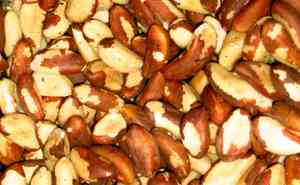
Brazil nut(Bertholletia excelsa)

Brazil nut (Bertholletia excelsa)

Also known as: Brazil-nut tree

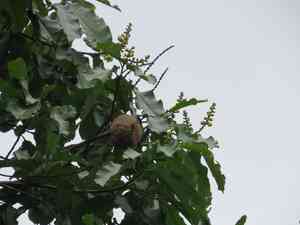
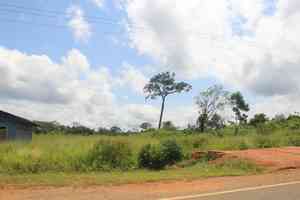
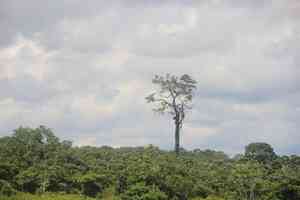
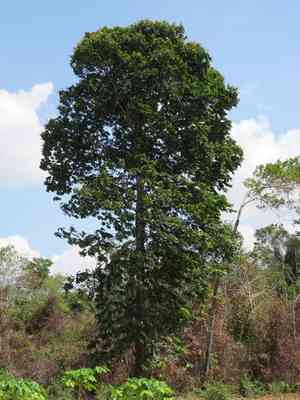
The Brazil nut tree is a towering species, often reaching heights of up to 49 meters, with a trunk diameter ranging from 1 to 2 meters. Its trunk is typically straight and branchless for a significant portion of its height, culminating in a broad, emergent crown that extends above the surrounding forest canopy. The tree’s leaves are deciduous during the dry season, arranged alternately, and are simple with entire or occasionally crenate margins. They are oblong, measuring between 20 to 35 cm in length and 10 to 15 cm in width. The flowers are small, greenish-white, and form in clusters (panicles) that are 5 to 10 cm long. Each flower features a two-parted, deciduous calyx, six uneven cream-colored petals, and a cluster of stamens that merge into a hood-like structure.

Attributes of Brazil nut

Lifespan
Perennial
Plant Type
Tree
Plant Height
30-50 meters
Spread
30 meters
Leaf Color
Dark Green
Flower Size
1-2 centimeters
Flower Color
White Yellow Green Cream Gold

ForwardPlant - Identify plants with a snap

Identify and diagnose plants, get toxicity alerts, and explore safety guides for all types of fungi.

Try for Free

Images of Brazil nut

Brazil nut(Bertholletia excelsa)

Quickly Identify Brazil nut

1
The Brazil Nut tree can be identified by its massive size, its rough, grey-barked trunk, and its large, round fruits that fall to the ground once mature. The leaves are large, simple, and alternate.

Scientific Classification of Brazil nut

Phylum
Vascular plants
Class
Dicotyledons
Order
Ericales
Family
Brazil-nut
Genus
Bertholletia
Species
Brazil nut

Planting and Growing of Brazil nut

Care Difficulty
Hard
Watering Schedule
Every 4 days
Sunlight Requirements
Full sun
Sunshine Duration
4-8 hours
Ideal Temperature
75-90℉
Soil Type
Potting Mix, Peat Mix
Soil pH
6.5-7.5
Fertilizer Type
Balanced
Pruning Season
Spring, Summer
Pruning Area
Branches, Leaves
Pruning Frequency
2 times a year
Repotting Season
Spring
Pot Type
Plastic, Ceramic

water icon How to Water Brazil nut?

For Bertholletia excelsa, also known as the Brazil nut tree, the ideal watering amount is approximately 500 milliliters per session. This tree thrives with consistent moisture, so it's important to ensure the soil is thoroughly saturated each time you water, without leaving the roots to sit in standing water. The goal is to mimic its native rainforest environment where the soil remains consistently moist but well-drained.
What are the symptoms of an underwatered Brazil nut?
What should I do if my Brazil nut is not getting enough water?
What are the symptoms of an overwatered Brazil nut?
How to save an overwatered Brazil nut?

sunlight icon What Are the Sunlight Requirements for Brazil nut?

Sunlight Requirements: Full sun, Partial sun
Duration of light: 6 to 8 hours
Bertholletia excelsa prefers full to partial sun exposure, ideally 6 to 8 hours of sunlight daily. This exposure supports photosynthesis and the tree’s developmental processes, ensuring maximum nut production and healthy growth.
What is the ideal amount of sunlight for Bertholletia excelsa?
How to achieve the ideal lighting conditions for Bertholletia excelsa?
What benefits can Bertholletia excelsa gain from ideal lighting?

temperature icon What Is the Ideal Temperature Range for Brazil nut?

Ideal Temperature: 75 ~ 90℉
The ideal temperature range for Bertholletia excelsa, commonly known as the Brazil nut tree, is between 75°F and 90°F. This range ensures optimal photosynthesis and overall growth. The tree has adapted to the climatic conditions of the Amazon rainforest, thriving in warm temperatures where it can absorb ample sunlight.

soil icon What Soil is Best for Brazil nut?

Soil type: Loam, Sandy soil
Soil PH: 6.5 ~ 7.5
Bertholletia excelsa thrives in rich, organic matter-imbued soils that provide ample nutrients. This nutrient-dense environment supports robust tree growth and promotes a healthy yield of its famed nuts. These plants require well-drained soil to prevent root rot and other moisture-related issues. Proper drainage allows adequate air circulation to the roots, fostering healthy plant development. Bertholletia excelsa performs best with a pH range between 6.5 and 7.5, preferring slightly alkaline to neutral soils which balance essential nutrient absorption and microbial activity.

fertilize icon How to Fertilize Brazil nut?

Fertilizer type: Balanced
For Bertholletia excelsa, a moderate amount of balanced fertilizer is recommended. Use about half the strength of a general-purpose 10-10-10 liquid fertilizer every two weeks during growing seasons. Solid fertilizers should be applied at a rate of one cup per year for young trees and increased as they mature.

prune icon How to Prune Brazil nut?

Pruning Time: Spring, Summer
Begin by thoroughly assessing the Brazil nut tree to identify any dead, diseased, or damaged branches that need removal. Look for branches that are crossing over each other, as these can lead to wounds and disease. Proper assessment ensures you focus only on branches that need attention. When you cut, make sure to prune at a 45-degree angle, just above a bud or branch. This helps the tree heal more quickly and reduces the probability of water collecting on the cut surface, which could lead to rot or mold issues. More About Pruning Techniques

propagate icon How to Propagate Brazil nut plant?

Propagate Time: Late spring, Early summer
1
Start by soaking the seeds in warm water for about 24 hours to soften the hard seed coat. This practice helps increase the chances of germination by allowing moisture to penetrate the seed.
2
Plant the seeds about an inch deep in seed trays containing a suitable potting mix. Cover them lightly with soil, ensuring that they are not buried too deep, which can impede germination.
3
Keep the soil consistently moist but not waterlogged. Place the seed trays in a warm, semi-shaded location to protect the young seedlings from direct sunlight and extreme conditions.
More About Propagating Techniques

repot icon How to Repot Brazil nut plant?

Repotting frequency: Every 3-4 years
1
Repotting Bertholletia excelsa, also known as the Brazil nut tree, should be done when you notice the plant's roots growing out of the drainage holes, or when there is a noticeable decrease in its growth. The best time to repot is during spring or summer when the plant is actively growing, ensuring minimal stress and disturbance.
2
Select a pot that is just slightly larger than the current one, with ample drainage holes to prevent waterlogging. A pot that is too large can lead to overwatering issues, while the right size encourages optimal root growth and stability for the plant, promoting healthier development.
3
Choose a well-draining potting mix that is rich in organic matter for your Brazil nut tree. This soil type ensures that the roots receive adequate oxygen, prevents water from pooling around the roots, and maintains a healthy aeration level, which is essential for the plant's development.

ForwardPlant - Identify plants with a snap

Find the best spots for them to optimize their health, simply using your phone.

Try for Free