How to Transplant Japanese barberry?
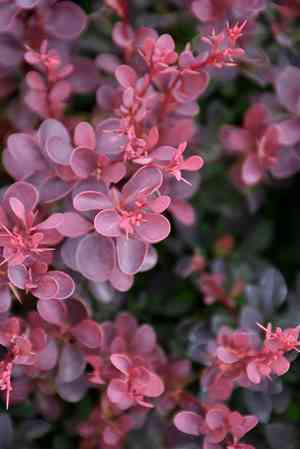
The ideal period to relocate japanese barberry spans from late spring through mid-summer, since elevated temperatures aid in developing robust root systems. Provide a bright spot with soil that drains effectively for peak development. Be aware of its potential to spread aggressively, and contemplate other options if local guidelines advise against it.
What Preparations are Needed Before Transplanting Japanese Barberry?
What is the Ideal Time for Transplanting Japanese Barberry?
The optimal period to relocate japanese barberry is from late spring to mid-summer, as elevated temperatures encourage robust development. By moving it during this timeframe, you'll ensure japanese barberry establishes well and flourishes!
How Much Space Should You Leave Between Japanese Barberry Plants?
To provide your japanese barberry plants ample room to expand, it's advisable to space them 3-6 feet (0.9-1.8 meters) apart. This spacing will guarantee ideal growth and maintain plant health.
What is the Best Soil Mix for Japanese Barberry Transplanting?
Your japanese barberry will thrive in well-draining, loamy soil with a pH between 6.0-7.0. Incorporate a balanced, slow-release fertilizer initially to supply essential nutrients during the active growth phase.
Where Should You Relocate Your Japanese Barberry?
Select a site with full to partial sun exposure for your japanese barberry plants. They will flourish in areas receiving 6-8 hours of direct sunlight daily but can also endure some shade.
What Equipments Should You Prepare Before Transplantation Japanese Barberry?
Gardening Gloves
To safeguard your hands while handling the soil and japanese barberry plant.
Shovel or Spade
For excavating holes and extracting the plant from its original spot.
Trowel or Hand Cultivator
For loosening the soil and working around the plant's root structure.
Pruning Shears
For trimming any dead or damaged branches prior to relocation.
Watering Can or Hose
For hydrating the japanese barberry plant during and after its move.
Organic Matter or Compost
To enrich the planting hole and enhance soil quality.
Mulch
To insulate the root system, retain moisture, and suppress weeds.
How Do You Remove Japanese Barberry from the Soil?
How Do You Remove Japanese Barberry from the Soil?
- From Ground:First, irrigate the japanese barberry plant to moisten the earth. Then, excavate a wide trench around the plant using a shovel or spade, ensuring the plant's root ball remains intact. Carefully work the spade beneath the root ball to lift the plant from its initial position.- From Pot:Begin by watering the japanese barberry plant to dampen the soil. Then, gently tilt the pot sideways and support the plant at its base while carefully sliding it out of the container. Avoid pulling on the plant's stem to prevent harm.- From Seedling Tray:If the japanese barberry plant is in a seedling tray, water it thoroughly, and gently press the bottom of the tray to loosen the soil around the plants. Use a small hand tool, such as a trowel or spoon, to carefully lift the plant from the tray, ensuring the root ball stays intact.
Step-by-Step Guide for Transplanting Japanese Barberry
Dig the Hole
Choose an appropriate spot for the japanese barberry plant, ensuring the planting hole is 2-3 times wider than the root ball and at the same depth as its previous location.
Amend the Soil
Incorporate organic matter or compost into the planting hole, blending it with the existing soil to improve its quality.
Prepare the Plant
Using pruning shears, gently trim any dead or damaged branches before transplanting.
Transplant the Plant
Carefully position the japanese barberry plant in the planting hole, adjusting as needed to ensure it sits at the same depth as before. Backfill the hole with amended soil, taking care not to bury the plant's base too deeply.
Water the Plant
Thoroughly water the japanese barberry plant to help settle the soil around its root system.
Mulch
Apply a layer of mulch around the japanese barberry, keeping it clear of the plant's stem to prevent rot. This will help insulate the root system, conserve moisture, and suppress weeds.
How Do You Care For Japanese Barberry After Transplanting?
Watering
Keep the soil around the japanese barberry consistently moist, but not waterlogged, for the initial weeks post-transplant to aid in root establishment.
Pruning
Regularly inspect the japanese barberry for dead, damaged, or weak branches, and trim them to maintain healthy and balanced growth.
Fertilizing
Apply a balanced fertilizer around the base of the japanese barberry after transplanting, following package directions for the plant's size and age.
Pest and Disease Control
Monitor the japanese barberry for indications of pests or diseases, addressing them promptly with suitable cultural or chemical treatments.
Protection
If relocating the japanese barberry during a hot or arid season, provide temporary shade or wind protection to help the plant adapt to its new surroundings.
Troubleshooting Common Issues with Japanese Barberry Transplantation.
What's the ideal time to transplant japanese barberry?
The optimal period to relocate japanese barberry is from late spring to mid-summer, ensuring successful establishment.
How much space should I keep between japanese barberry plants?
Maintain a spacing of 3-6 feet (0.9-1.8 meters) between japanese barberry plants for optimal growth and air circulation.
How deep should I dig the hole for japanese barberry transplant?
Excavate a hole twice the width and the same depth as the root ball or container of the japanese barberry plant.
Should I amend the soil while transplanting japanese barberry?
Yes, blend compost or well-rotted manure with the existing soil to enhance nutrients and drainage for japanese barberry.
How much should I water japanese barberry after transplanting?
Water japanese barberry thoroughly after transplanting, ensuring the soil is uniformly moist but not saturated.
Do I need to stake japanese barberry during transplanting?
Staking is not required for japanese barberry. However, if your plant is tall and unstable, offer temporary support.
When should I prune japanese barberry after transplant?
Wait one year to prune japanese barberry. Focus on removing dead, damaged, or overcrowded branches for improved airflow.
How can I stop japanese barberry from spreading too much?
Regularly remove unwanted seedlings, and prune japanese barberry as needed to keep its growth in check.
How soon can I mulch after transplanting japanese barberry?
Add a 2-3 inch (5-7.5 cm) layer of organic mulch after transplanting, keeping it away from the stem.
Will deer or rabbits damage my transplanted japanese barberry?
Japanese barberry is largely deer-resistant, but rabbits may occasionally nibble on it. Use fencing to safeguard your plant.



