Japanese barberry (Berberis thunbergii)
Also known as: Red barberry
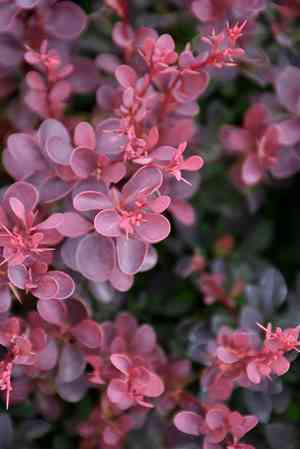
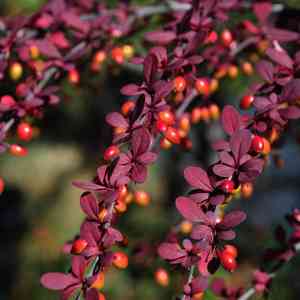
Berberis thunbergii, often referred to as Japanese barberry, is a deciduous shrub frequently grown for ornamental purposes. The most popular cultivar of this species, recognized for its distinctive dark red to violet leaves and vibrant red berries, is Berberis thunbergii f. atropurpurea.
Attributes of Japanese barberry
Images of Japanese barberry
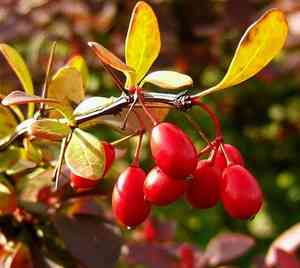
Quickly Identify Japanese barberry
Scientific Classification of Japanese barberry
Planting and Growing of Japanese barberry
 How to Water Japanese barberry?
 What Are the Sunlight Requirements for Japanese barberry?
 What Is the Ideal Temperature Range for Japanese barberry?
 What Soil is Best for Japanese barberry?
 How to Fertilize Japanese barberry?
 How to Prune Japanese barberry?
 How to Propagate Japanese barberry plant?
 How to Repot Japanese barberry plant?
Toxicity of Japanese barberry
Is Japanese barberry toxic to cat?
Japanese barberry is harmful to felines. When cats consume any part of the japanese barberry plant, they may suffer from various physical ailments or distress due to its toxic properties. Every component of the plant—including leaves, stems, and berries—can pose a danger if ingested inadvertently. Should a cat ingest any portion of this plant, owners must closely monitor for symptoms like vomiting, diarrhea, or behavioral changes, and should obtain urgent veterinary care. Prompt intervention at a veterinary facility is crucial to address the health threats that arise from poisoning by japanese barberry.
Is Japanese barberry toxic to dog?
Japanese barberry is a plant known for its toxicity to dogs, presenting a serious health hazard if consumed. When dogs inadvertently ingest any portion of the japanese barberry plant, they can suffer from poison as all sections are deemed toxic. Following consumption, dogs might show a range of signs that indicate poisoning. These symptoms can manifest as vomiting, diarrhea, lethargy, and a decrease in appetite. It is vital for dog owners to keep a vigilant eye on their pets and restrict access to japanese barberry. Should there be any suspicion that a dog has been poisoned by japanese barberry, it is essential to obtain prompt veterinary assistance to secure the best possible outcome for the well-being of the dog.



