How to Transplant Painted-leaf begonia?
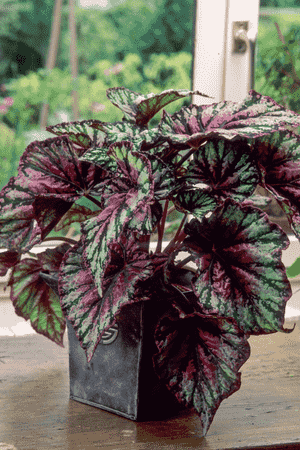
To achieve optimal development, relocate painted-leaf begonia preferably from late spring to early summer, when temperatures are reliably elevated. Select a site featuring soil that drains effectively and receives ample, filtered sunlight. Be sure to manage their fragile root systems with care during the transfer process to prevent harm.
What Preparations are Needed Before Transplanting Painted-leaf Begonia?
What is the Ideal Time for Transplanting Painted-leaf Begonia?
Moving painted-leaf begonia from late in its flowering period to the start of summer benefits your plant greatly. These warmer months offer favorable conditions for painted-leaf begonia as the soil is adequately warm and rich. Relocating painted-leaf begonia during this timeframe promotes quick root establishment and fosters more robust development. By selecting this optimal period, you ensure the longevity and vibrant appearance of your painted-leaf begonia. Remember, precise timing is vital for successful transplantation!
How Much Space Should You Leave Between Painted-leaf Begonia Plants?
To allow your painted-leaf begonia ample room to grow, position them approximately 12-18 inches (30-45 cm) apart. This spacing will provide sufficient area for them to fully mature without becoming overcrowded.
What is the Best Soil Mix for Painted-leaf Begonia Transplanting?
For painted-leaf begonia, opt for well-draining soil and incorporate a slow-release fertilizer to create a nourishing foundation. A peat-based mixture combined with perlite or vermiculite will be suitable for these beautiful plants.
Where Should You Relocate Your Painted-leaf Begonia?
Your painted-leaf begonia will flourish in a spot that receives bright, indirect sunlight. Avoid direct sun exposure, as it can scorch the leaves. A location near a window with filtered light is an excellent choice!
What Equipments Should You Prepare Before Transplantation Painted-leaf Begonia?
Gardening Gloves
To protect your hands from dirt and any sharp objects present in the soil.
Shovel or Trowel
These tools are effective for digging and scooping out soil.
Hand Pruner
Necessary for trimming off any dead or weak foliage from the plant.
Watering Can
Crucial for hydrating your plant throughout and after the transplanting process.
Wheelbarrow or Bucket
Useful for moving your plant from one place to another without causing harm.
How Do You Remove Painted-leaf Begonia from the Soil?
How Do You Remove Painted-leaf Begonia from the Soil?
From Ground: If extracting painted-leaf begonia from the ground, start by moistening the soil around the plant to soften it. Dig around the plant with your shovel, ensuring the root ball remains undisturbed. Carefully work your way beneath the plant and lift it, keeping the roots and soil as intact as possible.From Pot: If painted-leaf begonia is in a pot, water the soil first to facilitate its removal. Turn the pot on its side, hold the plant steady, then slide it out. If the plant resists, tap the sides of the pot to loosen the soil and aid in extraction.From Seedling Tray: If you're transplanting painted-leaf begonia from a seedling tray, it's likely quite young. Water the tray before removal. Gently push the plant from the bottom of the tray to lift out the seedling along with its root ball, being careful not to harm the delicate roots.
Step-by-Step Guide for Transplanting Painted-leaf Begonia
Preparation
Having already chosen the ideal location, next prepare the ground by clearing any grass, weeds, or other plants from the surrounding area to prevent nutrient competition. Dig a hole twice the width of painted-leaf begonia's root ball using your shovel or trowel.
Settling the Plant
Place painted-leaf begonia into the hole, ensuring it stands at the same depth as it did in its original spot. Do not excessively bury or expose the plant's base. Adjust the hole's depth if needed.
Backfill the Hole
Gently refill the hole, firming the soil around painted-leaf begonia. Be careful not to compact the soil too much, which could hinder water absorption and root development.
Watering
Now, thoroughly water the plant with your watering can. This will not only hydrate painted-leaf begonia but also help the soil settle.
Repeat
If you have multiple painted-leaf begonia plants to transplant, repeat this process for each. Ensure adequate spacing between the plants to avoid overcrowding.
How Do You Care For Painted-leaf Begonia After Transplanting?
Watering
Consistently moistening the soil over the initial few weeks, without over-saturating it, will help painted-leaf begonia develop a robust root system.
Trimming
Remove any damaged or withered leaves with the pruner to allow the plant to direct its energy towards new growth.
Observation
In the days following transplantation, watch for any signs of stress such as wilting or leaf burn. If observed, reduce sun exposure and check soil moisture levels. Continue to monitor their overall health, making adjustments as necessary.
Frost Protection
During colder months, consider providing some frost protection to help painted-leaf begonia survive. A simple solution is to cover the plant with a frost cloth on cooler nights.
Troubleshooting Common Issues with Painted-leaf Begonia Transplantation.
When should I transplant my painted-leaf begonia?
Late spring to early summer is the optimal period to transplant your painted-leaf begonia. The plant typically thrives during this time.
How should I prepare the soil before transplanting painted-leaf begonia?
Enrich your soil with organic matter, ensuring it drains well. Remember, painted-leaf begonia prefers a slightly acidic pH of 5.5-6.5.
What should be the correct spacing when transplanting painted-leaf begonia?
Allowing each painted-leaf begonia plant 12-18 inches (30-45 cm) of space gives them room to flourish and grow.
Should the entire root ball of painted-leaf begonia be buried while transplanting?
Absolutely! Ensure the entire root ball is covered with soil to provide stability and encourage root expansion.
How much water should I give painted-leaf begonia after transplanting?
Initially, water your painted-leaf begonia thoroughly until the soil is damp. Then, maintain a regular watering schedule without allowing the plant to sit in water.
How should I handle painted-leaf begonia while transplanting to prevent damage?
Handle your painted-leaf begonia gently during transplantation, especially its roots and stems. Any significant damage could hinder its growth.
In which type of container should I transplant painted-leaf begonia?
Select a container with adequate drainage. It should be large enough to accommodate the roots, giving them space to spread.
Should I fertilize painted-leaf begonia after transplanting? If so, how often?
Definitely! A balanced (14-14-14) slow-release fertilizer can be applied monthly. Always remember to follow the instructions on the label.
Do I need to prune painted-leaf begonia after transplanting?
Pruning is not necessary immediately after transplanting. Once painted-leaf begonia settles in and produces new growth, you can prune as needed to manage its size.
What should I do if the leaves of painted-leaf begonia start wilting after transplanting?
Wilting could be due to insufficient water or sunburn. Adjust watering if the soil is too dry or move the plant to a shaded location if it's receiving too much sun.



