How to Transplant Bolivian begonia?
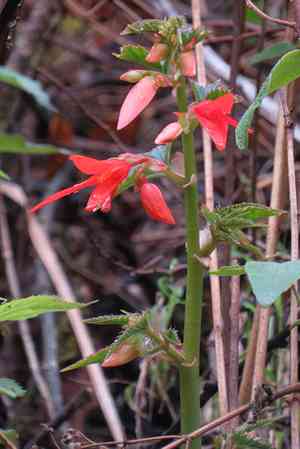
Choose the warmth of mid to late spring's mild weather for relocating bolivian begonia, making sure they thrive in a brightly illuminated, pleasant location away from intense sunlight. A helpful suggestion: consistency is crucialâcreate a regular schedule for their movement to achieve optimal development.
What Preparations are Needed Before Transplanting Bolivian Begonia?
What is the Ideal Time for Transplanting Bolivian Begonia?
Relocating your bolivian begonia is best when the cold subsides and nature revives, typically from mid to late spring. This period offers prime growing conditions, fostering robust health and vibrant blooms. The gentle warmth and increasing daylight during this season invigorate the bolivian begonia, enabling a strong start after transplant. Soil moisture and temperature are also optimal, aiding root establishment and minimizing transplant shock for your bolivian begonia. Settling them into their new home during this time ensures they will flourish, setting the stage for a stunning garden display.
How Much Space Should You Leave Between Bolivian Begonia Plants?
When moving bolivian begonia, provide ample room! Ideally, you should allow about 1-2 feet (30-60 cm) between each plant. This helps them develop healthily and robustly, ensuring each one receives sufficient nutrients and light.
What is the Best Soil Mix for Bolivian Begonia Transplanting?
Here's a soil recommendation for bolivian begonia: choose moist and well-drained soil. Before transplanting, incorporate an organic-based fertilizer to nourish your plant and stimulate growth. Aim for a 14-14-14 ratio of nitrogen, phosphorus, and potassium for optimal outcomes.
Where Should You Relocate Your Bolivian Begonia?
For bolivian begonia, select a location with partial shade or an area that receives morning light but not afternoon sun. This will shield the plant from extreme temperatures and intense sunlight, promoting healthy development.
What Equipments Should You Prepare Before Transplantation Bolivian Begonia?
Gardening Gloves
To safeguard your hands while handling soil and bolivian begonia.
Shovel or Spade
To dig out the plant from its original spot and to create a hole for replanting.
Pot or Tray (if applicable)
If the plant is already in a container, you'll need this to carefully transport it to the new site.
Trowel
To allow for more precise and controlled digging when moving bolivian begonia.
Hose or Watering Can
To hydrate bolivian begonia before and after the transplant.
Secateurs or Pruning Shears
To trim any damaged or excess growth of bolivian begonia before and after relocation.
How Do You Remove Bolivian Begonia from the Soil?
How Do You Remove Bolivian Begonia from the Soil?
From Ground: First, water bolivian begonia to soften the soil around its roots. Then, dig around the plant using a shovel or spade, being careful to keep the root ball intact. Gently slide the spade beneath the root ball to lift the plant from its original position.From Pot: Start by thoroughly watering the plant to facilitate its removal. Tilt the pot sideways, and gently tap it to encourage the plant to slide out. You might need to run a knife or a trowel along the inner edge of the pot to help loosen it.From Seedling Tray: Water the seedlings first to loosen the soil. Hold the stem base gently and push the soil from the bottom to extract the seedling. Handle seedlings by their leaves to prevent stem damage.
Step-by-Step Guide for Transplanting Bolivian Begonia
Preparation
Begin by watering bolivian begonia in its current spot. This will make removal easier and reduce stress on the plant.
Removing bolivian begonia
Depending on where bolivian begonia is, whether in the ground, a pot, or a seedling tray, follow the detailed procedures outlined above.
Placing bolivian begonia
Dig a sufficiently large hole in the new location. Carefully position the bolivian begonia in the hole and backfill with soil, ensuring not to bury the stem.
Watering
Water thoroughly after transplanting to help settle the soil around the roots and minimize transplant shock.
How Do You Care For Bolivian Begonia After Transplanting?
Pruning
Regularly remove any dead or damaged leaves or stems from bolivian begonia to encourage healthy development.
Watering
Water bolivian begonia consistently, keeping the soil moist but not saturated, as excessive water can lead to root rot.
Supervision
Monitor the bolivian begonia for the first few weeks for any signs of stress or disease, and address issues as needed.
Mulching
Consider applying mulch around the plant's base. This will help retain soil moisture and deter weed growth.
Troubleshooting Common Issues with Bolivian Begonia Transplantation.
When is the best time to transplant bolivian begonia?
The optimal time to transplant bolivian begonia is during mid to late summer, referred to as S2-S3 season.
What's the correct spacing for bolivian begonia during transplantation?
Ensure proper growth by maintaining a distance of approximately 1-2 feet (30-60 cm) between each plant.
What type of soil does bolivian begonia prefer for transplantation?
Bolivian begonia thrives in well-draining soil rich in organic matter. Light, loamy soil would be ideal for its growth.
Should I water bolivian begonia immediately after transplanting?
Yes, make sure to provide ample water right after transplanting. This aids the plant in adapting to its new environment.
What should be the depth of the hole for transplanting bolivian begonia?
The hole should be twice as wide and as deep as the root ball of bolivian begonia. Avoid planting too deeply!
Does bolivian begonia need any specific light conditions after transplantation?
Bolivian begonia flourishes with 4-6 hours of daily sun exposure, preferably indirect light. Steer clear of intense, direct sunlight.
How often should I fertilize a newly transplanted bolivian begonia?
After transplanting, fertilize bolivian begonia once every month during its active growing season for best results.
Can I transplant bolivian begonia in containers for indoor growth?
Absolutely! Bolivian begonia can be successfully cultivated indoors. However, ensure good drainage in the container and sufficient light.
How do I handle root bound bolivian begonia during transplant?
Gently separate the root ball by hand before transplanting. This encourages new root development in bolivian begonia.
What care measures should I take post-transplantation?
Monitor bolivian begonia's progress, water diligently, fertilize monthly, and provide adequate sunlight. Remember, patience is crucial!



