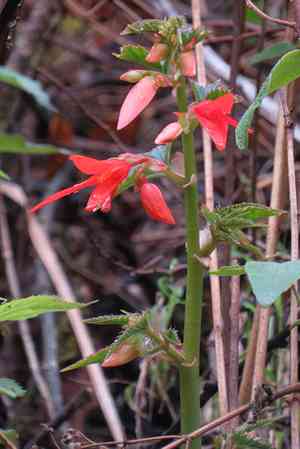
Bolivian begonia (Begonia boliviensis)
Also known as: Bolivian Begonia
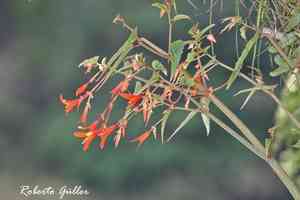
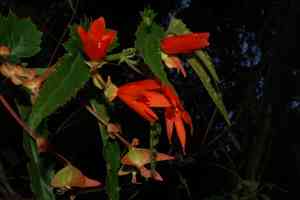
Bolivian begonia (Begonia boliviensis) is monoecious species, meaning it has both male and female flowers. This beautiful begonia with a cascading growth habit is fairly easy to cultivate. It features bright luminous blossoms with a long bloom season, which makes this begonia a go-to pick for flower gardens, hanging baskets, and patio decoration.
Attributes of Bolivian begonia
Images of Bolivian begonia
Quickly Identify Bolivian begonia
Scientific Classification of Bolivian begonia
Planting and Growing of Bolivian begonia
 How to Water Bolivian begonia?
 What Are the Sunlight Requirements for Bolivian begonia?
 What Is the Ideal Temperature Range for Bolivian begonia?
 What Soil is Best for Bolivian begonia?
 How to Fertilize Bolivian begonia?
 How to Prune Bolivian begonia?
 How to Propagate Bolivian begonia plant?
 How to Repot Bolivian begonia plant?
Toxicity of Bolivian begonia
Is Bolivian begonia toxic to humans?
The Bolivian begonia exhibits a moderate degree of toxicity to humans, primarily when ingested. This entire plant contains soluble calcium oxalates, which are the primary agents responsible for its toxic characteristics. Upon ingestion, these compounds can interact with calcium in the body, resulting in diminished calcium bioavailability and potentially causing a range of symptoms such as oral irritation, a burning sensation in the mouth and throat, excessive salivation, difficulty in swallowing, and vomiting. In extreme cases, ingestion may lead to more severe symptoms, such as challenges in breathing or speaking. Given that all parts of the Bolivian begonia are toxic, it is crucial to take precautions to avoid accidental ingestion, particularly by children or pets that may be attracted to the plant's striking appearance.
Is Bolivian begonia toxic to cat?
The Bolivian begonia carries a moderate toxicity risk for cats. Accidental ingestion of any part of this plant is the main way these pets can become poisoned, resulting in symptoms of discomfort. The entire plant is comprised of soluble calcium oxalates, which are the toxic compounds that cause negative effects. Cat owners must remain alert to prevent their pets from inadvertently consuming the plant. If poisoning by bolivian begonia is suspected, it is essential to seek prompt veterinary assistance to manage the situation and ease any distress the animal might be facing.
Is Bolivian begonia toxic to dog?
Bolivian begonia is recognized for its mild toxicity to dogs. When dogs consume any part of the bolivian begonia plant, they may become poisoned because the entire plant contains harmful compounds. Dogs are typically poisoned through unintentional ingestion. If a dog eats any portion of bolivian begonia, it can exhibit symptoms such as gastrointestinal distress, vomiting, and diarrhea, which are attributed to the presence of soluble calcium oxalates in the plant. Therefore, it is vital for dog owners to closely supervise their pets and prevent them from accessing bolivian begonia. Should a dog consume this plant, prompt veterinary care is critical to address any potential poisoning.



