How to Transplant Orchid Tree?
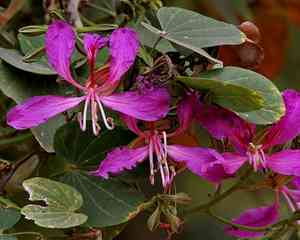
The most favorable period for relocating Orchid Tree is from late winter to early spring, a time of renewal, which allows for robust root development prior to the summer heat. Select a sunny spot with soil that drains effectively to encourage vigorous growth.
What Preparations are Needed Before Transplanting Orchid Tree?
What is the Ideal Time for Transplanting Orchid Tree?
For orchid Tree, the beginning of the growing season âearly to mid-springâ offers the perfect chance for relocation. This period allows orchid Tree ample time to develop roots before the summer heat. Moving orchid Tree during this window promotes vigorous growth, as the mild temperatures and increased moisture create an optimal environment for root development. By selecting this prime transplanting time, you are setting the stage for orchid Tree's flourishing display in your garden.
How Much Space Should You Leave Between Orchid Tree Plants?
When relocating your orchid Tree, ensure ample room for growth. Aim for a spacing of approximately 10-12 feet (3-3.6 meters) between each plant. This will guarantee they have sufficient area to expand without overcrowding.
What is the Best Soil Mix for Orchid Tree Transplanting?
The orchid Tree is not particular about soil type, but it does prefer well-drained soil. Begin with a base of compost or manure, then incorporate some general-purpose fertilizer. This will provide your orchid Tree with a healthy start.
Where Should You Relocate Your Orchid Tree?
The orchid Tree thrives in sunlight. Select a location in your garden where it will receive at least six hours of direct sunlight daily. Insufficient sunlight can hinder the plant's growth, so it's crucial to get this step right.
What Equipments Should You Prepare Before Transplantation Orchid Tree?
Gardening Gloves
To protect your hands from potential injury and to keep them clean when handling soil and plants.
Spade or Gardening Shovel
These tools will be used for digging and lifting the orchid Tree plant from its original spot.
Garden Trowel
This is for excavating small holes and relocating your orchid Tree.
Garden Hose or Watering Can
To moisten the soil before you begin and to water the orchid Tree after the move.
Secateurs or Pruning Shears
These will be essential for trimming orchid Tree and preparing it for transplantation.
Wheelbarrow
This will facilitate easier transport of the orchid Tree from its initial spot to its new location.
Stakes and Ties
These will provide necessary support for orchid Tree after transplanting.
How Do You Remove Orchid Tree from the Soil?
How Do You Remove Orchid Tree from the Soil?
From Ground: For orchid Tree currently in the ground, begin by watering it to dampen the soil. This makes digging easier. Then use a spade or shovel to create a trench around the plant, ensuring the root ball remains intact. Gently work the shovel under the root ball, and lift the plant from its original position.From Pot: If orchid Tree is in a pot, water the plant first. Turn the pot on its side, hold the plant carefully, and slide the pot off. Most of the root ball should come out cleanly. If the plant is root-bound (roots fill the entire pot), you might need to cut the pot away.From Seedling Tray: Water the tray first, then turn it sideways and tap gently. The seedlings and soil blocks should dislodge. Carefully pick up the orchid Tree by holding one of its leaves. Avoid touching the stem or roots.
Step-by-Step Guide for Transplanting Orchid Tree
Preparation
One day prior, water the orchid Tree in its current location. This can reduce the shock associated with transplanting. Prepare the new site by digging a hole that is twice as wide and as deep as the pot or root ball of your orchid Tree. Place a stake in the hole if orchid Tree will require support. Backfill the hole so it's ready for planting.
Removal
Based on the original placement of orchid Tree (ground, pot, tray), follow the corresponding removal procedure we discussed.
Prepare Plant
Use your secateurs/pruning shears to trim any damaged roots. Some leaf pruning can also help the plant's energy focus more on root development.
Planting
Position your orchid Tree in the hole. Adjust the soil underneath if needed, to ensure that your orchid Tree is at the same level as it was in its original spot.
Backfill
Fill the hole with soil, gently pressing the soil around the base of the orchid Tree.
Watering
Immediately after transplanting, thoroughly water the orchid Tree.
How Do You Care For Orchid Tree After Transplanting?
Mulching
Apply a 2-3 inch layer of mulch around the base of your orchid Tree, but keep it away from the trunk. This helps retain moisture and suppress weeds.
Staking
If you have installed a stake, tie the orchid Tree to it in a Figure-8 pattern. This provides support without causing harm. Adjust the ties as necessary.
Pruning
In the first year after transplanting, prune orchid Tree to encourage a strong, balanced structure. Reduce the top growth to compensate for root loss.
Inspection
Regularly check your orchid Tree for any indications of transplant shock or pests. Look for wilting, yellowing, or falling leaves.
Troubleshooting Common Issues with Orchid Tree Transplantation.
When is the best time to transplant my orchid Tree?
The optimal transplanting period for your orchid Tree is during the early spring to late summer months (S1-S2).
How much space should I keep between my orchid Tree plants?
To ensure healthy growth, maintain a distance of approximately 10-12 ft (3-3.6 meters) between the orchid Tree plants.
Should I water my orchid Tree immediately after transplanting?
Yes, it is advisable to thoroughly water your orchid Tree right after transplantation to aid root establishment in the new area.
What kind of soil suits my transplanted orchid Tree best?
Orchid Tree thrives best in well-draining soil. An acidic to neutral pH is ideal, but slightly alkaline soil can also be tolerated.
Why is my transplanted orchid Tree showing signs of wilting?
Wilting after transplanting could be due to transplant shock. Ensure consistent watering but avoid waterlogging. It should recover in a few weeks.
Can I use fertilizers immediately after transplanting my orchid Tree?
Refrain from using fertilizers until new growth appears. Over-fertilization immediately after transplanting can stress the plant.
What type of container is best for transplanting my orchid Tree?
Select a container that is slightly larger than the root ball. It should also have adequate drainage to prevent root rot.
Does transplanting have any effect on the blooming of my orchid Tree?
After transplanting, orchid Tree might take time to re-establish and delay blooming. However, with proper care, it will bloom during its usual flowering season.
Why are the leaves of my orchid Tree turning yellow after transplanting?
Yellowing leaves may indicate over-watering or a deficiency of essential nutrients. Check the soil moisture level and consider a balanced fertilizer.
Is it normal for the orchid Tree to lose some leaves after transplantation?
A minor leaf drop post-transplanting is normal due to transplant shock. However, with careful watering and suitable environmental conditions, the plant will recover.



