How to Transplant Dwarf white bauhinia?
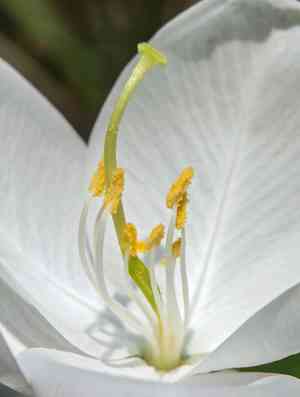
The optimal period for relocating dwarf white bauhinia is the revitalization stage of early to late spring, facilitating strong root development prior to the summer warmth. Choose a bright location with well-draining earth. Should it be necessary, morning illumination and protection from harsh elements can assist in acclimation.
What Preparations are Needed Before Transplanting Dwarf White Bauhinia?
What is the Ideal Time for Transplanting Dwarf White Bauhinia?
The optimal period for relocating dwarf white bauhinia spans from the end of frost season to the peak of its growth cycle. This corresponds to early through late spring, offering a favorable blend of cooler temperatures and increasing daylight, which promotes strong root development and minimizes transplant stress. This strategic timing allows the plant a full growing season to acclimate and thrive, promising a splendid display of its pure white blossoms.
How Much Space Should You Leave Between Dwarf White Bauhinia Plants?
When moving dwarf white bauhinia, provide each plant ample room to flourish by spacing them 15-20 feet (4.5-6 meters) apart. This ensures sufficient area for development without crowding, enabling each dwarf white bauhinia to prosper!
What is the Best Soil Mix for Dwarf White Bauhinia Transplanting?
Prepare an inviting bed for dwarf white bauhinia by blending nutrient-rich, well-draining soil with a balanced, slow-release fertilizer. A loamy soil that retains moisture yet drains effectively will create the perfect conditions for healthy growth!
Where Should You Relocate Your Dwarf White Bauhinia?
Select a sunny location for dwarf white bauhinia where it can receive at least 6 hours of direct sunlight daily. An east- or south-facing spot that gets abundant light will help your dwarf white bauhinia thrive!
What Equipments Should You Prepare Before Transplantation Dwarf White Bauhinia?
Gardening Gloves
To safeguard your hands while handling soil and plants.
Shovel or Spade
For excavating and moving the root ball of the dwarf white bauhinia.
Pruning Shears
To trim any damaged or overly long roots prior to transplanting.
Watering Can or Hose
To hydrate the dwarf white bauhinia both before and after the move.
Wheelbarrow or Plant Cart
To transport the dwarf white bauhinia from its original spot to the new site without harm.
Mulch
To aid in retaining soil moisture and regulating root temperature post-transplant.
Trowel
For final adjustments and filling in around the plant once it's in its new position.
How Do You Remove Dwarf White Bauhinia from the Soil?
How Do You Remove Dwarf White Bauhinia from the Soil?
From Ground: First, water the dwarf white bauhinia plant to moisten the soil. Then, dig a wide trench around the plant using a shovel or spade, ensuring the plant's root ball remains intact. Carefully work the spade beneath the root ball to lift the plant from its initial location.From Pot: Begin by watering the dwarf white bauhinia to loosen the soil. Grasp the base of the stem and gently tilt the pot sideways to slide the plant out. Support the root ball with your other hand to prevent it from breaking apart.From Seedling Tray: Water the tray so the soil is damp, making it easier to extract the seedling. Use a trowel or your fingers to carefully lift the seedling by its leaves, not the fragile stem, and gently ease the root ball out of the tray.
Step-by-Step Guide for Transplanting Dwarf White Bauhinia
Digging the New Hole
Excavate a hole in the ground wide and deep enough to comfortably accommodate the root ball of the dwarf white bauhinia without compressing the roots.
Preparing the Root Ball
Gently trim any broken or excessively long roots with pruning shears to encourage new growth and easier establishment in the new location.
Placing the Plant
Position the dwarf white bauhinia into the new hole, ensuring it sits at the same depth it was originally growing. The top of the root ball should be level with the ground surface.
Refilling the Hole
Carefully backfill the hole with soil, gently tamping down around the root ball with a trowel to eliminate air pockets.
Watering
Thoroughly water the dwarf white bauhinia after planting to settle the soil and provide moisture for the roots.
Applying Mulch
Spread a layer of mulch around the base of the dwarf white bauhinia, ensuring it doesn't directly touch the stem, to help maintain soil moisture and temperature.
Support Structures
If the dwarf white bauhinia requires it, insert stakes carefully around the plant and use soft ties to provide support against strong winds or heavy rain.
How Do You Care For Dwarf White Bauhinia After Transplanting?
Regular Monitoring
Check the dwarf white bauhinia daily to observe its recovery from transplant shock. Look for signs of new growth as an indicator of successful establishment.
Proper Watering
Water the dwarf white bauhinia adequately to keep the soil moist but not waterlogged. Avoid overwatering which can lead to root rot.
Mulching
Maintain the layer of mulch to conserve water and discourage weed growth that could compete with the dwarf white bauhinia for resources.
Staking
Continue to monitor and adjust any support stakes or ties to ensure they are effective but not damaging the plant.
Pest and Disease Management
Be vigilant for signs of pests or diseases and treat these early with appropriate methods to prevent them from establishing and causing significant damage.
Troubleshooting Common Issues with Dwarf White Bauhinia Transplantation.
When is the best time to transplant dwarf white bauhinia?
Optimal transplanting time for dwarf white bauhinia is early to late spring, when the weather is mild.
How far apart should dwarf white bauhinia be planted?
Space your dwarf white bauhinia 15-20 feet (4.5-6 meters) apart to ensure adequate room for growth.
How deep should the hole be for transplanting dwarf white bauhinia?
Dig a hole twice as wide and the same depth as the root ball of your dwarf white bauhinia.
What should I do if dwarf white bauhinia wilts after transplanting?
Ensure dwarf white bauhinia is watered sufficiently and protect it from direct sunlight until it's established.
Why are the leaves of my transplanted dwarf white bauhinia turning yellow?
Yellowing may be due to transplant shock, overwatering, or poor drainage - adjust care accordingly.
How do I prepare the soil for transplanting dwarf white bauhinia?
Mix compost or well-rotted manure into the soil to improve fertility and drainage.
Can I transplant dwarf white bauhinia during summer or fall?
Transplanting dwarf white bauhinia in summer or fall is not ideal due to temperature extremes and plant stress.
How often should I water dwarf white bauhinia after transplanting?
Water dwarf white bauhinia deeply weekly, adjusting for rainfall, until it's well-established.
What kind of sunlight does dwarf white bauhinia need after transplant?
Place dwarf white bauhinia in a location where it will receive full to partial sunlight daily.
How do I protect dwarf white bauhinia from pests during transplant?
Check regularly for pests, and consider using organic pesticides if necessary to protect dwarf white bauhinia.



