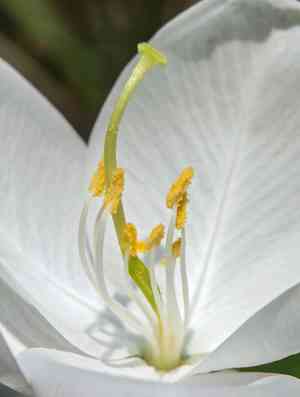
Dwarf white bauhinia (Bauhinia acuminata)
Also known as: Snowy orchid-tree, Yellow butterfly tree, White bauhinia
The Dwarf white bauhinia (Bauhinia acuminata) takes its name from 17th-century Swiss botanists Johann and Gaspard Bauhin. Known for its large, fragrant white flowers, this ornamental climbing plant is often found in gardens. It thrives in slightly acidic soils and is popular as a hedge plant in tropical regions due to its widespread adaptability.
In This Article
Attributes of Dwarf white bauhinia
Lifespan
Perennial
Plant Type
Tree, Shrub
Plant Height
2 m to 3 m
Spread
1 m to 2 m
Leaf Color
Green
Flower Size
8 cm to 12 cm
Flower Color
White
Images of Dwarf white bauhinia
Quickly Identify Dwarf white bauhinia
1
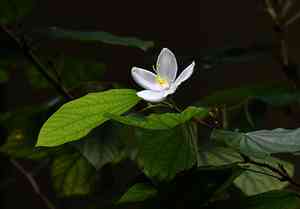
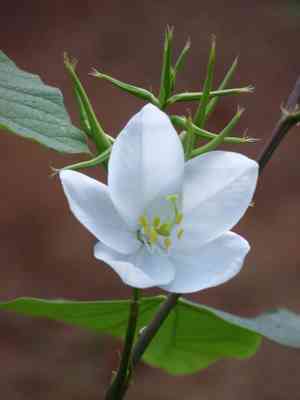
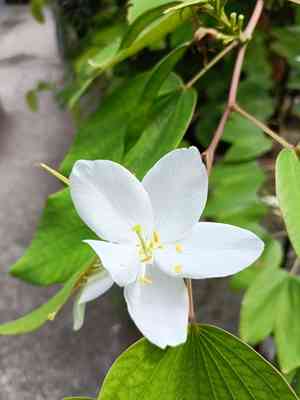
Bauhinia acuminata can be identified by its distinctive bilobed leaves which resemble the shape of a butterfly, its fragrant white flowers that bloom in clusters, and its smooth, slender trunk.
Scientific Classification of Dwarf white bauhinia
Phylum
Vascular plants
Class
Dicotyledons
Order
Legumes, milkworts and allies
Family
Legume
Genus
Orchid trees
Species
Dwarf white bauhinia
Planting and Growing of Dwarf white bauhinia
Care Difficulty
Easy
Watering Schedule
Every 4 days
Sunlight Requirements
Partial sun
Sunshine Duration
4-6 hours
Ideal Temperature
77-86℉
Soil Type
Potting Mix, Peat Mix
Soil pH
6.5-7.5
Fertilizer Type
Balanced
Pruning Season
Spring, Summer
Pruning Area
Branches, Leaves
Pruning Frequency
2 times a year
Repotting Season
Spring
Pot Type
Plastic, Ceramic
 How to Water Dwarf white bauhinia?
Bauhinia acuminata enjoys a moderate amount of moisture. Each watering session should ideally provide around 250ml of water to ensure the soil is moist but not soggy. The goal is to maintain a balance where the top inch of the soil feels slightly damp, indicating adequate hydration without oversaturating the roots.
What are the symptoms of an underwatered Dwarf white bauhinia?
›
What should I do if my Dwarf white bauhinia is not getting enough water?
›
What are the symptoms of an overwatered Dwarf white bauhinia?
›
How to save an overwatered Dwarf white bauhinia?
›
 What Are the Sunlight Requirements for Dwarf white bauhinia?
Partial to full sun provides ideal conditions, allowing the plant to photosynthesize efficiently while promoting robust growth and lavish blooms.
More About Sunlight Requirements Techniques→
What is the best lighting condition?
›
How to achieve ideal lighting?
›
Benefits of ideal lighting
›
 What Is the Ideal Temperature Range for Dwarf white bauhinia?
Bauhinia acuminata thrives best in environments where the temperature ranges from 77°F to 86°F. This range facilitates optimal photosynthesis and metabolic activities, ensuring robust growth and flowering. These warm conditions mimic its natural habitat and therefore promote maximum health and vitality in the plant.
 What Soil is Best for Dwarf white bauhinia?
Bauhinia acuminata thrives in soils that provide good drainage. Well-draining soil prevents root rot and other water-related issues, crucial for the healthy growth of this plant. Ensuring proper drainage keeps the roots aerated and free from excess moisture, promoting robust health and flower production. Nutrient-rich soil is essential for optimal growth. A loamy soil, rich in organic matter, provides the necessary nutrients to support the plant’s lush foliage and abundant flowering. Regularly amending the soil with compost enriches its nutrient content, leading to vigorous growth and vibrant blossoms. Maintaining a pH range between 6.5 and 7.5 ensures maximum nutrient availability. This moderately acidic to neutral pH range is ideal for Bauhinia acuminata, allowing efficient nutrient uptake and minimizing the risk of nutrient lockout, which is beneficial for its growth and health.
 How to Fertilize Dwarf white bauhinia?
For Bauhinia acuminata, apply liquid fertilizer at a concentration of 1/4 strength per gallon of water. This ensures the plant receives nutrients without the risk of burning the roots or foliage. For solid, slow-release fertilizer, use approximately 25 grams per application, ensuring even distribution across the soil surface.
 How to Prune Dwarf white bauhinia?
Begin pruning by identifying and removing dead, diseased, or damaged branches to improve air circulation and the overall health of the Bauhinia acuminata. Shape the plant by cutting back any overgrown or undesirably long branches. This process helps the plant maintain a well-rounded and attractive appearance while encouraging bushy growth. After the blooming period, trim any spent flowers to make room for new blossoms. This step is crucial for the continuous flowering of Bauhinia acuminata throughout its blooming seasons.
More About Pruning Techniques→
 How to Propagate Dwarf white bauhinia plant?
1
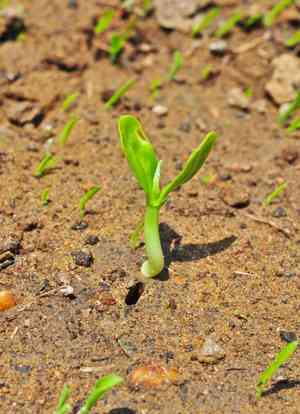
Gather seeds from mature Bauhinia acuminata pods, ensuring they are dry and fully developed. Store them in a cool, dry place until ready for planting.
2
Select healthy, semi-hardwood cuttings about 4-6 inches long. Remove lower leaves and dip the base in rooting hormone powder before planting.
3
Sow seeds or plant cuttings into a well-draining potting mix. Water gently to moisten the soil without disturbing the planting material's position.
 How to Repot Dwarf white bauhinia plant?
1
Bauhinia acuminata signals the need for repotting when its roots start circling the pot or grow through drainage holes. Repot during warmer months, as this tropical plant benefits from increased growth activity. Monitor for slower growth and visible lack of nutrients in the soil as indicators.
2
Select a pot 2-3 inches larger in diameter than the current one, with ample drainage holes. This size ensures room for root growth while preventing waterlogged soil, which is crucial for healthy plant development. A sturdy material like ceramic or terracotta provides stability to the growing plant.
3
The ideal soil should be well-draining, loamy, and slightly acidic to neutral pH. Adding a bit of organic matter enhances nutrient availability, supporting vibrant foliage and blooms. This mix prevents compacted roots, encourages air circulation, and retains sufficient moisture for Bauhinia acuminata.



