How to Transplant American yellowrocket?
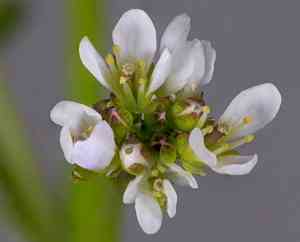
American yellowrocket flourishes when relocated from the beginning of spring to the end of winter, allowing for optimal root development. The best spots are those receiving full sun or partial shade, featuring soil that drains effectively. Steer clear of excessively damp environments to guarantee a successful transplant.
Essential Preparations Before Relocating American Yellowrocket
Optimal Period for American Yellowrocket Relocation?
The best times for moving american yellowrocket are from early to late spring or early to late winter. These periods offer cooler temperatures and increased soil moisture, aiding root establishment. Transplanting american yellowrocket during these seasons helps minimize shock and promotes robust growth. Proper soil preparation further enhances its chances of flourishing.
Recommended Spacing Between American Yellowrocket Plants?
When relocating american yellowrocket, position plants 12-18 inches (30-45 cm) apart. This provides ample room for development and ensures adequate air circulation.
Ideal Soil Blend for American Yellowrocket Relocation?
Prior to moving american yellowrocket, prepare well-drained soil enriched with organic compost or a balanced base fertilizer. A soil pH between 6.0-7.5 is optimal.
Selecting a New Site for Your American Yellowrocket?
Choose a spot for transplanting american yellowrocket that receives full sun to partial shade, ensuring approximately 6-8 hours of daily sunlight.
Tools Required for American Yellowrocket Transplantation
Gardening Gloves
To safeguard your hands while handling soil and the plant.
Shovel or Spade
For excavating around the plant and creating a new planting hole.
Trowel
To assist in lifting the plant from containers or seedling trays.
Watering Can or Hose
For hydrating the plant before and after the move.
Mulch
To aid in retaining soil moisture after transplantation.
Garden Fork
If necessary, to loosen the soil at the new planting location.
Method for Extracting American Yellowrocket from its Current Location
Method for Extracting American Yellowrocket from its Current Location?
From Ground: First, moisten the soil around the american yellowrocket plant. Then, use a shovel or spade to dig a wide trench around the plant, ensuring the root ball remains intact. Carefully work the spade beneath the root ball and lift the plant from its original spot.From Pot: Water the american yellowrocket plant to facilitate removal. Gently tap the sides and bottom of the pot to loosen the soil. Invert the pot and slowly slide the plant out, ensuring the root ball stays whole.From Seedling Tray: Thoroughly water the seedlings. Use a trowel to carefully lift each american yellowrocket seedling from the tray, taking care to preserve as much of the root system and surrounding soil as possible.
Detailed Procedure for Transplanting American Yellowrocket
Preparation
Water the american yellowrocket plant thoroughly the day before its scheduled relocation. This helps minimize transplant shock.
Hole Excavation
Dig a hole at the new site that is twice the width and the same depth as the american yellowrocket plant's root ball.
Plant Removal
Follow the specific removal process based on the plant's initial location (ground, pot, or seedling tray).
Planting
Position the american yellowrocket plant in the center of the hole. Backfill the hole with soil, ensuring the plant is at the same depth as it was originally.
Watering
Thoroughly water the american yellowrocket plant after transplanting to help settle the soil around its roots.
Post-Transplantation Care for American Yellowrocket
Watering
Keep the soil around the american yellowrocket consistently moist, but not waterlogged, for the initial weeks after transplanting to encourage strong root development.
Mulching
Apply a layer of mulch around the base of the american yellowrocket to help retain moisture and stabilize soil temperature.
Monitoring
Observe the american yellowrocket for any indications of stress, such as wilting or yellowing leaves, and make necessary adjustments like increased watering or providing temporary shade.
Addressing Common Issues During American Yellowrocket Transplantation.
When is the best time to transplant american yellowrocket?
Aim for early to late spring or early to late winter for optimal results.
How far apart should I space american yellowrocket plants?
Space american yellowrocket plants 12-18 inches (30-45 cm) apart for proper growth and air circulation.
What soil type is ideal for transplanting american yellowrocket?
Use well-drained, loamy soil; it provides the best environment for american yellowrocket to thrive.
How deep should I plant american yellowrocket during transplanting?
Plant american yellowrocket at the same depth it was previously growing to avoid stress on the plant.
What should I do if american yellowrocket shows signs of transplant shock?
Water deeply and provide some shade to help american yellowrocket recover from transplant shock.
How much water does american yellowrocket need after transplanting?
Keep soil consistently moist but not water-logged; water deeply once a week.
Do I need to fertilize american yellowrocket right after transplanting?
Wait a few weeks before fertilizing to allow american yellowrocket to establish roots; use a balanced fertilizer.
What should I do to prepare the new site for american yellowrocket?
Clear weeds, loosen soil to 8-10 inches (20-25 cm) deep, and amend with compost if needed.
How do I protect american yellowrocket from pests after transplanting?
Use natural pest deterrents like neem oil and regularly check the plant for any signs of pests.
Should I prune american yellowrocket while transplanting?
Lightly trim damaged or dead parts to encourage healthy growth but avoid heavy pruning.



