How to Transplant Coast banksia?
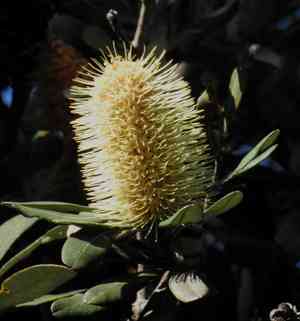
The optimal window for relocating coast banksia is during its active growth phase, spanning from the warmth of late spring to the mildness of early summer. Select locations that receive ample sunlight and possess soil with good drainage. Advice: Reduce disruption to the root system to encourage successful integration.
What Preparations are Needed Before Transplanting Coast Banksia?
What is the Ideal Time for Transplanting Coast Banksia?
Move your coast banksia during late spring to early summer, when moderate temperatures promote root development without extreme conditions.
How Much Space Should You Leave Between Coast Banksia Plants?
Initially, mark out locations for your coast banksia seedlings approximately 10-16 feet (3-5 meters) apart. This ensures each coast banksia has ample room to flourish without crowding.
What is the Best Soil Mix for Coast Banksia Transplanting?
Let's prepare a suitable environment for your coast banksia! Aim for soil that drains well, from sandy to loamy, and enhance it with a balanced, slow-release fertilizer for optimal growth.
Where Should You Relocate Your Coast Banksia?
Select a location for your coast banksia that receives full sun to partial shade, ensuring it gets at least 6 hours of sunlight daily. Your coast banksia enjoys plenty of sun and some shade, ideal for healthy development!
What Equipments Should You Prepare Before Transplantation Coast Banksia?
Gardening Gloves
To safeguard your hands while handling soil and coast banksia.
Shovel or Spade
For excavating and relocating coast banksia.
Pruning Shears
To trim any damaged roots or branches.
Watering Can or Hose
To hydrate coast banksia before and after moving.
Wheelbarrow or Tarp
To transport coast banksia from one spot to another.
Root stimulator (optional)
To encourage new root growth post-transplant.
How Do You Remove Coast Banksia from the Soil?
How Do You Remove Coast Banksia from the Soil?
From Ground: Moisten the soil around coast banksia. Use a shovel or spade to dig a wide trench around the plant, keeping the root ball intact. Carefully slide the spade beneath the root ball to lift coast banksia from the ground.From Pot: Water the pot to moisten the soil. Tilt the pot sideways and gently tap or squeeze to loosen the root ball. Slide coast banksia out of the pot while supporting the plant's base.From Seedling Tray: Water the tray beforehand. Use a small tool or your fingers to gently push up from the cell's bottom to lift out the seedling with its root ball.
Step-by-Step Guide for Transplanting Coast Banksia
Preparation
Wear gardening gloves to protect your hands. Water coast banksia thoroughly before beginning the removal process.
Digging the Hole
Excavate a hole in the ground that is twice the width and equal to the depth of the coast banksia's root ball, ensuring a proper fit.
Removal
Follow the appropriate removal method depending on whether coast banksia is being moved from the ground, a pot, or a seedling tray.
Placing coast banksia
Position coast banksia in the center of the hole. The top of the root ball should be level with the surrounding soil surface.
Soil Replacement
Backfill around the root ball with soil, gently tamping down to remove air pockets and ensure good root-to-soil contact.
Initial Watering
Water the coast banksia generously after planting to settle the soil and hydrate the roots.
Support (if needed)
If coast banksia is large or in a windy area, use supports to stabilize the plant until its roots establish.
How Do You Care For Coast Banksia After Transplanting?
Watering
Gradually decrease watering frequency as the coast banksia establishes. However, ensure the plant receives sufficient moisture to prevent stress.
Mulching
Apply a layer of mulch around the base of coast banksia to help retain soil moisture and regulate soil temperature.
Pruning
Trim any broken or damaged branches to help coast banksia direct energy towards establishing new roots.
Checking
Monitor coast banksia for signs of stress, such as wilting or leaf discoloration, and address any issues promptly.
Fertilizing
Delay fertilizing until coast banksia shows new growth and has settled into its new location, typically a few months after transplanting.
Troubleshooting Common Issues with Coast Banksia Transplantation.
Why is my coast banksia not thriving post-transplant?
Ensure you're transplanting coast banksia during the period from late spring through early summer. This timing offers the plant the best chance to establish roots before cold weather.
What is the ideal gap between transplanted coast banksia plants?
Space your coast banksia plants 9.8-16.4 feet (3-5 meters) apart. This provides ample room for growth and reduces competition for resources.
How deep should the hole be for transplanting coast banksia?
The hole should be twice as wide as the root ball and equally deep, allowing plenty of space for the roots to spread.
Can I transplant coast banksia in a pot?
Certainly! However, ensure the pot is adequately sized and has good drainage to accommodate the coast banksia's expanding roots.
What soil condition is best for transplanting coast banksia?
Well-draining soil is preferred for coast banksia. Enrich it with organic matter to provide the best start for your transplanted plant.
How often should I water coast banksia after transplanting?
Water your coast banksia immediately after transplanting, then regularly to keep the soil moist but not waterlogged, reducing frequency as it establishes.
How much sunlight does coast banksia need after transplanting?
After transplanting, coast banksia requires a location with full sunlight to partial shade to flourish properly.
Should I fertilize coast banksia after transplanting and how often?
Wait a few weeks post-transplant before fertilizing coast banksia with a balanced, slow-release fertilizer, then follow the product's recommendation for frequency.
What are the signs of transplant shock in coast banksia?
Signs of transplant shock in coast banksia include wilting, yellowing leaves, and stunted growth. Mitigate this with proper care and patience.
How do I handle root-bound coast banksia during transplanting?
Gently separate the roots or make vertical cuts along the root ball if severely bound, promoting better root expansion into the surrounding soil.



