How to Transplant Neem tree?
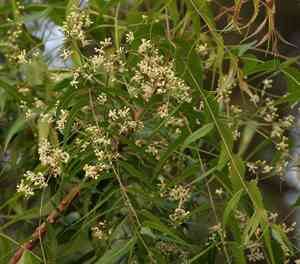
The optimal period for relocating a neem tree is from mid to late spring, as this season offers favorable conditions for its development. Select a bright, adequately draining spot for the transfer; provide staking if necessary for stability. Bear in mind, a thriving neem tree flourishes with proper nurturing and focus!
What Preparations are Needed Before Transplanting Neem Tree?
What is the Ideal Time for Transplanting Neem Tree?
The optimal period for relocating neem tree spans from mid-spring to late spring. This timing is perfect as it allows neem tree ample opportunity to establish itself prior to the intense summer heat. Transplanting during this window ensures neem tree receives suitable temperatures and sufficient growth duration to flourish. This process effectively sets neem tree up for success, providing a strong start to its developmental journey. Therefore, remember, the prime to late spring offers the best chance for neem tree's successful transplantation. Seize this opportunity!
How Much Space Should You Leave Between Neem Tree Plants?
When moving your neem tree, ensure a spacing of 30-40 ft (9-12 m) between them. This provides each plant with adequate room to develop and expand without competing for resources.
What is the Best Soil Mix for Neem Tree Transplanting?
Soil preparation is vital for your neem tree's development. It thrives in well-draining, sandy or loamy soil. Incorporate organic matter, such as compost, to enrich the soil and blend in a slow-release, balanced fertilizer to establish a robust foundation.
Where Should You Relocate Your Neem Tree?
Select a site for your neem tree that receives abundant sunlight. While it can endure partial shade, full sun exposure greatly benefits its growth and maturation. Confirm the area isn't overly crowded with other plants and has good air circulation.
What Equipments Should You Prepare Before Transplantation Neem Tree?
Shovel or Hand Trowel
For excavating holes in your garden and extracting the neem tree plant from its current spot.
Gardening Gloves
To safeguard your hands while handling soil and plants.
Wheelbarrow or Garden Cart
To transport the neem tree sapling between locations and to move soil, if required.
Watering Can or Hose
To moisten the soil and hydrate the plant following transplantation.
Organic Compost
This will supply crucial nutrients during the neem tree's settling phase in its new environment.
Mulch
To assist the soil in retaining moisture and inhibiting weed growth.
How Do You Remove Neem Tree from the Soil?
How Do You Remove Neem Tree from the Soil?
From Ground: Start by irrigating the neem tree plant to soften the surrounding soil. Next, excavate a broad and shallow trench around the plant using a shovel or hand trowel, being careful not to harm the roots. Gently work the tool beneath the root ball, progressively deepening the trench until the plant is free.From Pot: Hydrate the plant until the soil is damp but not waterlogged. Turn the pot on its side, grasp the neem tree near its base, and carefully pull it out. If the plant is stuck, tap the pot's sides to loosen it.From Seedling Tray: Fill the tray with water to the brim to soften the soil. Identify the neem tree seedling for transplanting, gently hold it by the base, and very carefully pull it out, ensuring the root ball remains intact.
Step-by-Step Guide for Transplanting Neem Tree
Digging the hole
Excavate a hole twice the width and depth of the neem tree's root ball using your shovel or hand trowel. This provides ample space for the roots to spread and grow.
Preparing the hole
Enrich the planting site by incorporating a layer of organic compost.
Placing the plant
Carefully position your neem tree sapling in the center of the hole. Ensure the top of the root ball is level with or slightly above the ground's surface.
Finishing the transplant
Backfill the hole with soil, gently firming it around the base of the neem tree. Thoroughly water the newly transplanted plant.
Mulching
Apply a layer of mulch around the base of the neem tree, keeping it clear of the trunk to prevent rot.
How Do You Care For Neem Tree After Transplanting?
Watering
Regularly irrigate the neem tree, especially for the initial weeks, taking care not to overwater. The soil should remain moist, but not saturated.
Monitoring
Observe the neem tree for indications of stress, such as drooping, yellowed, or shed leaves. If these appear, your neem tree might require more frequent watering or a shaded location.
Pruning
Remove any dead or damaged branches to help the neem tree direct its energy towards root development.
Troubleshooting Common Issues with Neem Tree Transplantation.
When is the best time to transplant a neem tree?
The most suitable season for relocating a neem tree is from the middle to the latter part of spring.
What should be the ideal spacing while transplanting neem tree?
Aim to maintain a generous distance of 30-40 feet (approximately 9-12 meters) between each neem tree to ensure optimal growth.
How deep should the hole be for transplanting neem tree?
Excavate a hole roughly twice the size of the root ball or the container of your neem tree. This allows ample room for roots to expand.
What is the ideal soil type for transplanting neem tree?
Neem tree thrives in well-drained, sandy or loamy soil. A neutral or slightly acidic pH is optimal for its healthy development.
Should I prune my neem tree before transplanting?
Yes, a slight trim encourages a successful transplant by minimizing the stress on the neem tree's root system during relocation.
Why is the leaf of my newly transplanted neem tree wilting?
Wilting after transplant is common and likely due to transplant shock. Keep the soil moist and shield the plant from extreme temperatures to aid its recovery.
How often should I water my newly transplanted neem tree?
Water your neem tree daily for the first week, then gradually reduce irrigation. The soil should always be moist but not waterlogged.
How do I care for a neem tree after transplantation during the spring season?
Ensure it receives ample sunlight, water consistently, and closely monitor for pests. A slow-release fertilizer can also aid in promoting growth.
Why are the leaves of my neem tree yellowing after transplant?
Yellow leaves can result from insufficient or excessive watering, nutrient deficiencies, or overly compacted soil. Review your care regimen and adjust as necessary.
Should we add fertilizers while transplanting neem tree?
Yes, incorporating slow-release granular fertilizer at planting will supply the neem tree with essential nutrients for growth.



