How to Transplant Bilimbi?
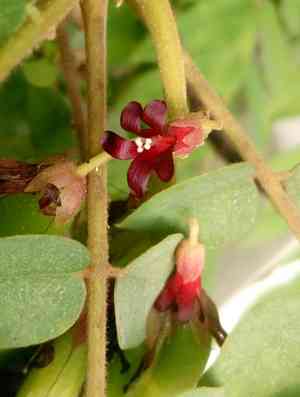
The most favorable period for relocating bilimbi is when the vigor of spring revitalizes the earth, guaranteeing temperate conditions for vigorous development. Choose a bright location with good drainage, and remember that careful manipulation aids in effortless root integration.
What Preparations are Needed Before Transplanting Bilimbi?
What is the Ideal Time for Transplanting Bilimbi?
The beginning of the growing season, typically as winter's cold recedes, presents the most opportune moment for relocating bilimbi. This timing allows bilimbi to settle in during milder temperatures that promote root development before summer's full heat arrives. Moving bilimbi at this point ensures the plant benefits from longer days and increasing warmth, enabling it to recover from transplant shock more easily and leverage the peak growing season. Such strategic timing aligns with bilimbi's natural growth cycle, ensuring a smooth transition to its new spot.
How Much Space Should You Leave Between Bilimbi Plants?
When moving your bilimbi, remember to provide ample room for expansion. Ideally, a distance of 3-4 feet (0.9-1.2 meters) between each plant will ensure they have sufficient space to grow without competing.
What is the Best Soil Mix for Bilimbi Transplanting?
For your bilimbi, preparing a well-draining soil rich in organic matter will be advantageous. As a foundational fertilizer, utilize compost or aged manure. This will supply the crucial nutrients required for robust growth.
Where Should You Relocate Your Bilimbi?
Your bilimbi will thrive best in a location where it receives full sunlight, though it can endure some partial shade. Therefore, ensure your garden has an area that gets abundant sunshine for optimal results.
What Equipments Should You Prepare Before Transplantation Bilimbi?
Gardening Gloves
To safeguard your hands while handling soil and the bilimbi plant.
Trowel
For excavating smaller bilimbi plants or young sprouts.
Shovel or Spade
To be utilized for larger plants or when moving directly from the ground.
Gardening Pruning Shears
Useful for trimming any dead or excess parts of the bilimbi plant before relocation.
Watering Can
To hydrate the bilimbi plant both before and after transplantation.
Wheelbarrow (Optional)
Convenient for transporting bigger bilimbi plants.
Organic Compost
To supply extra nutrients to the transplanting hole.
How Do You Remove Bilimbi from the Soil?
How Do You Remove Bilimbi from the Soil?
From Ground: First, moisten the bilimbi plant to soften the soil, making removal easier. Then, dig a wide trench around the plant using a shovel or spade, ensuring the plant's root ball stays intact. Be careful when lifting the plant to prevent root damage.From Pot: Begin by watering the bilimbi plant. Turn the pot sideways and gently tap it to dislodge the plant. If the plant is stuck, you might need to run a knife along the pot's inner edge to free it.From Seedling Tray: Water the bilimbi seedlings and gently hold the stem's base between your index finger and thumb, and with your other hand, push up the bottom of the pot to carefully extract the seedling. Be extra cautious as seedlings are very delicate.
Step-by-Step Guide for Transplanting Bilimbi
Preparation
Thoroughly water the bilimbi plant several hours before transplanting. This step will enhance the plant's resilience during the relocation process.
Digging the Hole
Excavate a hole that is twice as wide and equal in depth to the root ball of your bilimbi plant.
Transplanting
Carefully position your bilimbi plant in the hole. Always handle the plant by its root ball to prevent damage to the stem and foliage.
Backfilling
Refill the hole with a mixture of garden soil and compost. Gently firm the soil around the base of the bilimbi plant.
Watering
Water the transplanted plant deeply and immediately after placement.
How Do You Care For Bilimbi After Transplanting?
Monitoring
Regularly inspect your newly transplanted bilimbi plant, especially during dry spells. The initial two weeks are vital for its survival.
Pruning
Remove any brown or yellow leaves to redirect energy towards root establishment. However, avoid extensive pruning until the bilimbi plant has fully recovered.
Pest Control
Keep a close watch for pests or diseases that might affect your bilimbi plant. If you observe anything unusual, consult a local gardening store or online community for guidance.
Mulching
Apply organic mulch around your bilimbi plant to retain moisture and suppress weed growth.
Fertilizing
Begin fertilizing only after the bilimbi plant shows signs of new growth. Apply a slow-release fertilizer according to the recommended dosage.
Troubleshooting Common Issues with Bilimbi Transplantation.
What is the ideal season for transplanting the bilimbi plant?
The optimal time to move bilimbi is during the S1 season, when the plant is less active, thereby minimizing transplant shock.
How much space is needed between the bilimbi plants?
Bilimbi requires approximately 3-4 feet (0.91-1.22m) of spacing between plants. This provides ample room for growth without nutrient competition.
Why are my transplanted bilimbi plants wilting?
Wilting after relocating bilimbi is typically due to transplant shock, which can result from environmental changes or root damage during the process. Water them moderately to aid recovery.
Why are the leaves of my bilimbi turning yellow?
Yellowing leaves on bilimbi post-transplanting could indicate over-watering or inadequate drainage. Examine the soil and adjust watering practices accordingly.
Do bilimbi plants require direct sunlight?
Bilimbi prefers sunlight, though it might need some shade in extremely hot climates. Ensure it receives sufficient light, but not so much that its leaves get scorched.
What type of soil is best for bilimbi?
Bilimbi thrives in rich, well-drained soil. Incorporating organic matter will help maintain proper soil structure and supply essential nutrients to your plant.
How should I water the newly transplanted bilimbi?
Bilimbi needs adequate watering immediately after transplanting to help establish its roots. Afterward, water the plants consistently, ensuring the soil is neither waterlogged nor parched.
Why isn't my transplanted bilimbi producing fruit?
If bilimbi isn't bearing fruit, it might not be mature enough or lack proper pollination. Additionally, transplanting stress can delay fruiting. Provide it time and appropriate care.
How do I know if my bilimbi plant needs fertilizing?
If bilimbi exhibits slow growth or yellowing leaves, it may require more nutrients. Use a balanced, organic fertilizer and follow the package instructions for application.
Can I transplant bilimbi in a pot?
Absolutely, bilimbi can be grown in a large pot. Ensure there's enough space for its roots to spread and that the pot has good drainage.



