How to Transplant Garden orache?
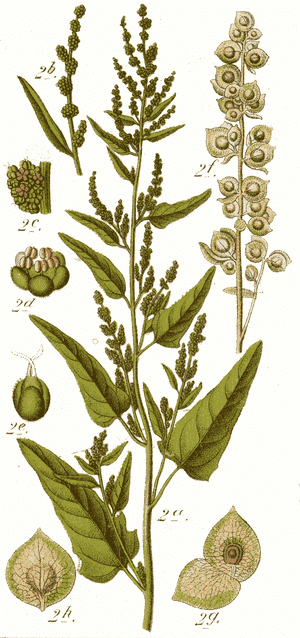
The optimal period for relocating garden orache is from the end of spring to the beginning of summer, capitalizing on robust growth phases. Select a location that receives ample sunlight and possesses good drainage. Exercising caution during the transfer facilitates garden orache's acclimation to its new environment.
What Preparations are Needed Before Transplanting Garden Orache?
What is the Ideal Time for Transplanting Garden Orache?
The optimal period to relocate garden orache is from late spring to early summer, aligning with the active growth phase. This timing capitalizes on warmer soil temperatures and extended daylight, which are perfect for garden orache's establishment and vitality. Moving garden orache then promotes strong root development before the peak summer heat, ensuring a thriving addition to your garden.
How Much Space Should You Leave Between Garden Orache Plants?
You should provide your garden orache with sufficient room to develop. This entails maintaining a distance of approximately 2-3 feet (0.6-0.9 meters) between each plant during transplantation. This helps prevent overcrowding and allows for adequate growth.
What is the Best Soil Mix for Garden Orache Transplanting?
Your garden orache thrives in slightly acidic soil. Prepare your garden bed with soil that drains well and is rich in organic matter. Before transplanting, incorporate a slow-release base fertilizer to nourish your garden orache, ensuring a strong start.
Where Should You Relocate Your Garden Orache?
For your garden orache to thrive, its location is crucial. Select a site that receives partial to full sun, as these plants require 6-8 hours of sunlight daily. This indicates their preference for warm spots, but remember to offer some shade during the most intense sunny periods.
What Equipments Should You Prepare Before Transplantation Garden Orache?
Gardening Gloves
These will safeguard your hands while handling soil and plants.
Shovel or Spade
A tool to assist in excavating the garden orache plant without harming its root ball.
Garden Trowel
Utilize this to dig the new planting hole in the ground.
Watering Can
Essential for hydrating the plant both prior to and following the transplant.
Protective Cloth
This can be used to shield the transplanted plant and its roots from direct sunlight and wind damage.
Organic Mulch
Mulching helps retain soil moisture and regulate temperature;
Garden Fork
This is useful for loosening the soil around the plant without damaging the roots.
Wheelbarrow or Container
For moving the garden orache from its original spot to the new one if it's a large specimen.
How Do You Remove Garden Orache from the Soil?
How Do You Remove Garden Orache from the Soil?
From Ground: Start by thoroughly watering your garden orache plant to moisten the surrounding soil. Using a garden fork, gently loosen the soil around the plant, being careful not to harm the roots. Once the soil is loose, dig a wide trench with a shovel or spade around the plant, ensuring the root ball remains intact. Use the shovel or garden fork to lift the plant from the ground.From Pot: If your garden orache is in a pot, water it completely first. Carefully tilt the pot sideways and tap it to help release the plant. If the plant is deeply rooted and seems stuck, you might need to cut the pot away.From Seedling Tray: If the garden orache are seedlings in a tray, ensure they are well-watered before attempting removal. Using a small trowel or your fingers, gently lift the seedling, trying your best to keep its root ball intact.
Step-by-Step Guide for Transplanting Garden Orache
Prepare The Hole
Excavate a hole in the chosen location that is twice the width and equal in depth to the garden orache plant's root ball. Break up the soil at the bottom of the hole using your garden fork.
Move Plant
Carefully transfer the garden orache plant to this new hole, gently positioning it. Ensure the plant is situated at the same depth as it was in its previous location.
Backfill Hole
Begin refilling the hole with soil, pressing down lightly to eliminate any air pockets. Confirm the plant is standing upright.
Watering
Generously water the plant, allowing it to settle into its new environment. Avoid overwatering, as this can harm the plant.
Mulching
Apply a layer of organic mulch around the plant's base. This assists in retaining soil moisture and maintaining a consistent temperature.
How Do You Care For Garden Orache After Transplanting?
Watering
Following transplantation, for the initial few weeks, ensure the garden orache remains consistently moist, but not waterlogged.
Pruning
Trim any damaged or dead branches or leaves to encourage growth and reduce stress on the garden orache plant after transplant.
Monitoring
Watch for any signs of transplant shock, such as wilting, yellowing, or leaf drop. If these symptoms appear, you may need to adjust sunlight exposure, watering, or check for pests and diseases.
Feeding
Remember to fertilize the plant a few weeks after transplanting, using the appropriate plant food/fertilizer.
Troubleshooting Common Issues with Garden Orache Transplantation.
When is the best time to transplant garden orache?
For optimal development, transplant garden orache during late summer to early fall (S3-S4), when temperatures are cooler but the ground retains warmth.
How much space should I leave between each garden orache when transplanting?
Since garden orache can spread widely, ensure you leave approximately 2-3 feet (60-90 cm) of space between each plant. This provides ample room for their leaves and roots to expand.
My transplanted garden orache looks droopy. What could be wrong?
This might be transplant shock, which garden orache can experience after relocation due to sudden environmental changes. Make sure to water generously and regularly after transplanting, without making the soil soggy.
My transplanted garden orache isn't growing as fast as expected. Why is that?
Ensure your garden orache receives sufficient sunlight and has nutrient-rich, well-draining soil. Excessive shade, poor soil, or root congestion can hinder growth.
The leaves of my garden orache are wilting after transplanting. What should I do?
First, review your watering routine. Both excessive and insufficient watering can cause leaves to wilt. Ensure the plant receives the correct amount of water without oversaturating the soil.
What are some pests to look out for after transplanting garden orache?
Garden orache may attract pests like aphids and slugs. Monitor for these creatures and consider using natural repellents or pest control if you detect any.
Do I need to fertilize garden orache after transplanting it?
Garden orache is not a heavy feeder, but applying a slow-release, balanced fertilizer at planting time can provide a nutrient boost to support initial growth after transplanting.
Why are my transplanted garden orache leaves turning yellow?
Yellowing leaves can indicate overwatering, underwatering, or a nutrient deficiency. Check your watering schedule and ensure the soil has adequate nutrients for the garden orache's development.
How do I prevent my garden orache from getting root rot during the transplanting process?
You can prevent root rot by ensuring that garden orache is planted in well-draining soil and not overwatered. If the roots remain in water for too long, they may rot.
What can I do if my transplanted garden orache starts exhibiting disease?
If your garden orache begins to show signs of disease, such as leaf spots or rot, it's crucial to identify and treat it immediately with appropriate organic or chemical fungicides.



