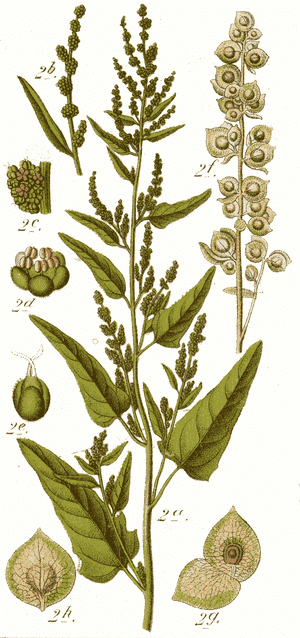
Garden orache (Atriplex hortensis)
Also known as: Orach
Historically, garden orache served as a spinach substitute. It has both green and purple leaves and was later appreciated as an ornamental plant. Extracting a dye similar to indigo from it was also common. The plant features spikes of tiny flowers and propagates through seeds. Notably, it is highly resilient, enduring heat and drought, and can thrive even in poor or saline soils.
In This Article
Attributes of Garden orache
Lifespan
Annual, Biennial, Perennial
Plant Type
Herb
Plant Height
61 cm to 1.8 m
Spread
30 cm
Leaf Color
Green, Red, Purple
Flower Size
Small, less than 0.5 cm
Flower Color
Purple Red
Images of Garden orache
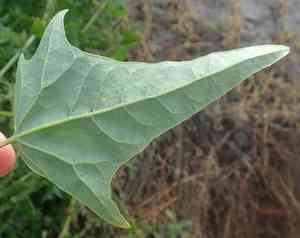
Quickly Identify Garden orache
1
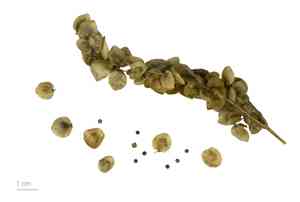
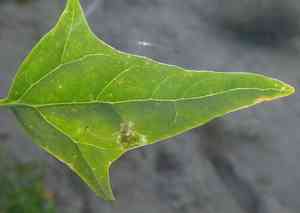
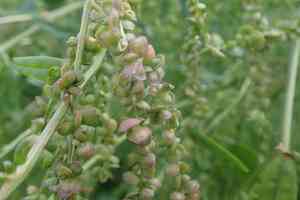
Recognize Atriplex hortensis by its tall, branching stems that can grow up to 6 feet in height. The leaves are alternate, broadly lance-shaped, and can range in color from green to red. The plant produces numerous small, inconspicuous flowers that form dense clusters.
Scientific Classification of Garden orache
Phylum
Vascular plants
Class
Dicotyledons
Order
Pinks, cacti, and allies
Family
Amaranth
Genus
Saltbush
Species
Garden orache
Planting and Growing of Garden orache
Care Difficulty
Easy
Watering Schedule
Every 4 days
Sunlight Requirements
Full sun
Sunshine Duration
6-10 hours
Ideal Temperature
60-75℉
Soil Type
Potting Mix, Peat Mix
Soil pH
6.5-7.5
Fertilizer Type
Balanced
Pruning Season
Spring, Summer
Pruning Area
Branches, Leaves
Pruning Frequency
2 times a year
Repotting Season
Spring
Pot Type
Plastic, Ceramic
 How to Water Garden orache?
Atriplex hortensis requires a consistent watering schedule. Ensure the top 2 inches of soil are moist but not waterlogged. This typically translates to about 500 ml of water per session, allowing for thorough soaking without pooling.
What are the symptoms of an underwatered Garden orache?
›
What should I do if my Garden orache is not getting enough water?
›
What are the symptoms of an overwatered Garden orache?
›
How to save an overwatered Garden orache?
›
 What Are the Sunlight Requirements for Garden orache?
This plant thrives in partial to full sun, ideally receiving about 6-8 hours of light daily. Ample light helps in robust growth and enhances the plant's nutritional quality.
More About Sunlight Requirements Techniques→
What is the best way to provide optimal sunlight for Atriplex hortensis?
›
How can I ensure Atriplex hortensis gets ideal light indoors?
›
What benefits does ideal sunlight bring to Atriplex hortensis?
›
 What Is the Ideal Temperature Range for Garden orache?
Atriplex hortensis thrives in daytime temperatures ranging from 60°F to 75°F. These conditions simulate the spring growing seasons found along temperate climates, facilitating rapid growth and healthy foliage development.
 What Soil is Best for Garden orache?
Atriplex hortensis thrives in soil that is rich in nutrients, providing the essential vitamins and minerals it needs for robust growth. This nutrient-dense environment supports healthy foliage and vibrant coloration, ensuring the plant's vitality and resilience against pests. Proper drainage is crucial as it prevents waterlogging, which can lead to root rot. Ensuring that the soil allows water to flow freely helps keep the roots healthy and aerated, promoting strong growth and preventing diseases. While Atriplex hortensis requires well-drained soil, it also benefits from a moderate retention of moisture. This balance keeps the plant hydrated without drowning the roots, providing an ideal condition for consistent growth throughout its lifecycle.
 How to Fertilize Garden orache?
For Atriplex hortensis, applying too much fertilizer can lead to excessive growth, while too little can cause stunted development. A general recommendation is to use a balanced liquid fertilizer diluted to half strength during the growing season. Over-fertilization should be avoided to prevent salt buildup.
 How to Prune Garden orache?
Begin by identifying the healthiest parts of the Atriplex hortensis, typically the younger, more vibrant stems. Cut back any dead or diseased foliage as well as any branches that cross each other. Using sharp, sterilized scissors or pruning shears, aim for an angle cut to promote optimal water runoff and reduce fungus development. Focus on maintaining the plant’s natural shape, while encouraging good air circulation through careful thinning.
More About Pruning Techniques→
 How to Propagate Garden orache plant?
1
Choose well-draining soil that is rich in organic matter. Before sowing, lightly moisten the soil to create a suitable environment for seed germination. This helps seeds absorb water and ensures even distribution of moisture.
2
Scatter Atriplex hortensis seeds evenly across the surface of the soil in seed trays or garden beds. Lightly cover them with a fine layer of soil or sand, as seeds require light to germinate, and keep the soil consistently moist.
3
Maintain a warm environment, ideally between 15-20°C, and provide indirect sunlight to prevent overheating. Use a propagator lid or cover with plastic wrap to maintain humidity while allowing some air circulation.
 How to Repot Garden orache plant?
1
One key sign that Atriplex hortensis needs repotting is root-bound conditions. If roots are circling the pot's base or growing out of drainage holes, it’s time to repot. Alternatively, if you notice reduced plant growth or poor water absorption, these are clear indicators for repotting action.
2
Opt for a pot that is one size larger than the current one, ensuring it has adequate drainage holes. This allows new roots to grow and prevents waterlogging. Terra cotta pots are great as they allow air exchange, which helps prevent soil diseases.
3
Select a well-draining potting mix with added sand or perlite to increase drainage. A light and airy soil mix supports root breathing and prevents water stagnation, thus promoting healthy plant growth and reducing the risk of root rot.



