How to Transplant Crescent milkvetch?
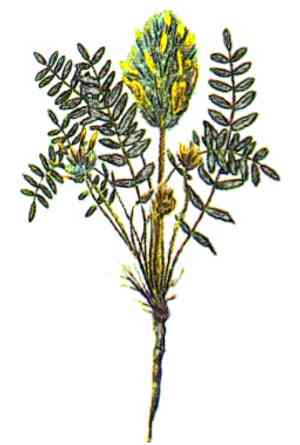
Crescent milkvetch flourishes when relocated from the onset of early spring through the end of late spring, benefiting from suitable soil warmth and abundant solar exposure. Select a bright, adequately draining spot for peak development.
What Preparations are Needed Before Transplanting Crescent Milkvetch?
What is the Ideal Time for Transplanting Crescent Milkvetch?
Crescent milkvetch, an Annual/Perennial plant, thrives when moved during early to late spring. This timeframe ensures optimal ground warmth and moisture, aiding root development and robust growth. Scheduling the move in spring allows crescent milkvetch to adapt before summer's intense heat, boosting its resilience and overall health.
How Much Space Should You Leave Between Crescent Milkvetch Plants?
Position your crescent milkvetch plants 18-24 inches (45-60 cm) apart to provide ample room for expansion. This spacing promotes good air circulation and lessens competition for nutrients.
What is the Best Soil Mix for Crescent Milkvetch Transplanting?
Prepare the soil to ensure proper drainage. An optimal mix includes sandy and loamy soil with a phosphorus-rich base fertilizer. Avoid heavy clay soil, which can retain excessive water.
Where Should You Relocate Your Crescent Milkvetch?
Select a sunny spot in your garden for transplanting crescent milkvetch. It flourishes in full sun, meaning it requires at least 6 hours of direct sunlight daily.
What Equipments Should You Prepare Before Transplantation Crescent Milkvetch?
Gardening Gloves
To safeguard your hands while handling soil and plants.
Shovel or Spade
For excavating the new planting site and for lifting the plant if it's in the ground.
Trowel
Useful for smaller, more precise digging tasks if the plant is in a pot or seedling tray.
Watering Can or Hose
For hydrating the plant before and after its relocation.
Wheelbarrow or Bucket
For moving the plant from its original spot to its new home.
How Do You Remove Crescent Milkvetch from the Soil?
How Do You Remove Crescent Milkvetch from the Soil?
From Ground: First, moisten the crescent milkvetch's soil. Then, dig a wide trench around the plant with a shovel or spade, keeping the root ball intact. Carefully work the spade beneath the root ball to lift the plant from its initial location.From Pot: Begin by lightly watering the crescent milkvetch for easier removal. Gently tap the pot's sides to loosen the soil, then tip the pot and carefully slide the plant out while supporting the root ball.From Seedling Tray: Lightly water the crescent milkvetch seedlings before removal. Use a trowel or your fingers to gently lift each seedling by its base, ensuring the root system remains undamaged.
Step-by-Step Guide for Transplanting Crescent Milkvetch
Site Preparation
Prepare the new planting site by digging a hole that is twice as wide and as deep as the crescent milkvetch's root ball.
Removing the Plant
Gently extract the crescent milkvetch from its initial spot using the appropriate removal technique.
Placing the Plant
Carefully position the crescent milkvetch in the center of the prepared hole, ensuring it sits at the same depth as it was originally.
Filling the Hole
Backfill the hole with soil, gently pressing down to eliminate air pockets without overly compacting the soil.
Watering
Thoroughly water the crescent milkvetch to help settle the soil and support the plant's roots in its new environment.
Mulching (Optional)
Apply a thin layer of mulch around the crescent milkvetch's base to retain moisture and deter weeds, being careful not to pile it against the stem.
How Do You Care For Crescent Milkvetch After Transplanting?
Watering
Keep the soil around the crescent milkvetch consistently moist, but not waterlogged, for the initial weeks post-transplant to encourage strong root development.
Monitoring
Regularly inspect the crescent milkvetch for indications of stress or pest infestations, addressing issues promptly to ensure a smooth transition.
Support
If the plant is tall or leggy, consider using supports, such as stakes or cages, to help it remain upright as it establishes roots in its new location.
Pruning (if needed)
Remove any damaged or dead foliage to encourage the crescent milkvetch to direct energy towards new growth and root establishment.
Troubleshooting Common Issues with Crescent Milkvetch Transplantation.
When is the best time to transplant crescent milkvetch?
The optimal period to transplant crescent milkvetch is from early spring to late spring.
How much spacing should be between plants?
Allow a distance of 18-24 inches (45-60 cm) between each plant.
What should soil preparation involve?
Ensure the soil is well-draining and enriched with compost before moving crescent milkvetch.
How do you avoid transplant shock in crescent milkvetch?
Water the plants generously both before and after transplanting to minimize shock.
How deep should the planting hole be?
The hole should be twice the width and the same depth as the root ball.
Can I transplant crescent milkvetch under direct sunlight?
Yes, but gradually acclimate the plant to full sunlight to prevent stress.
How soon should I water after transplanting?
Water immediately after transplanting to settle the soil around the roots.
What is the ideal soil pH for crescent milkvetch?
The optimal soil pH for crescent milkvetch ranges between 6.0 and 7.5.
Do I need to fertilize after transplanting crescent milkvetch?
Yes, apply a balanced fertilizer after a few weeks to stimulate growth.
How do I handle root-bound plants during transplanting?
Gently separate the roots to encourage new growth in the surrounding soil.



