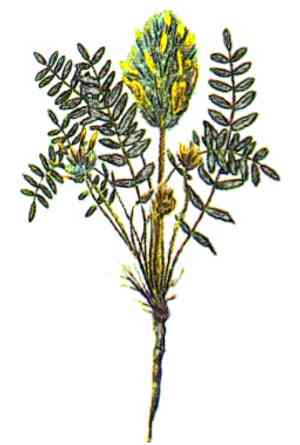
Crescent milkvetch (Astragalus amphioxys)
Also known as: Fish-shaped milkvetch
The plant known as crescent milkvetch, scientifically named *Astragalus amphioxys*, is native to the American Southwest.
In This Article
Attributes of Crescent milkvetch
Lifespan
Annual, Perennial
Plant Type
Herb
Plant Height
10-50 cm
Spread
Not typically noted, as it forms low, sprawling clumps.
Leaf Color
Green
Flower Size
Small, around 1-2 cm
Flower Color
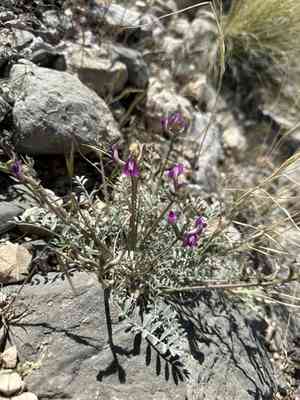
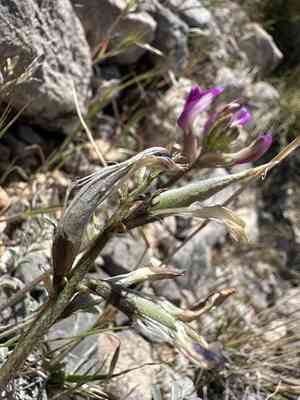
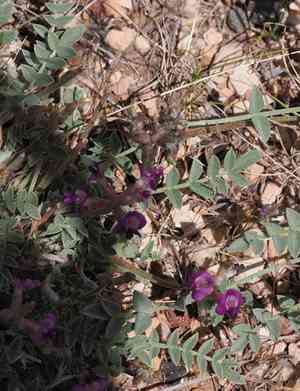
Pink to purple
Images of Crescent milkvetch
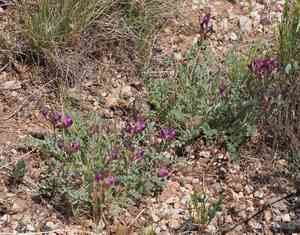
Quickly Identify Crescent milkvetch
1
Identifiable by its perennial herbaceous growth, pinnate leaves with numerous small leaflets, and its distinctive pink or purple flowers arranged in dense racemes.
Scientific Classification of Crescent milkvetch
Phylum
Vascular plants
Class
Dicotyledons
Order
Fabales
Family
Legume
Genus
Milkvetch
Species
Crescent milkvetch
Planting and Growing of Crescent milkvetch
Care Difficulty
Moderate
Watering Schedule
Every 2 days
Sunlight Requirements
Full sun
Sunshine Duration
4-8 hours
Ideal Temperature
60-75℉
Soil Type
Potting Mix, Peat Mix
Soil pH
6.5-7.5
Fertilizer Type
Balanced
Pruning Season
Spring, Summer
Pruning Area
Branches, Leaves
Pruning Frequency
2 times a year
Repotting Season
Spring
Pot Type
Ceramic, Plastic
 How to Water Crescent milkvetch?
For Astragalus amphioxys, the watering amount should be approximately 500 milliliters per session. The principle to follow is ensuring the soil is adequately moist but not soggy. Water until the excess starts to drain out of the pot's bottom, indicating sufficient moisture has reached the root zone.
What are the symptoms of an underwatered Crescent milkvetch?
›
What should I do if my Crescent milkvetch is not getting enough water?
›
What are the symptoms of an overwatered Crescent milkvetch?
›
How to save an overwatered Crescent milkvetch?
›
 What Are the Sunlight Requirements for Crescent milkvetch?
Astragalus amphioxys prefers full sun or partial sun environments, ideally receiving 6 to 8 hours of sunlight. Proper lighting encourages prolific bloom and sturdy growth, allowing the plant to thrive and reduce pest or disease occurrences.
What is the ideal lighting condition for Astragalus amphioxys?
›
How to ensure Astragalus amphioxys gets ideal lighting?
›
What are the benefits of ideal lighting for Astragalus amphioxys?
›
 What Is the Ideal Temperature Range for Crescent milkvetch?
Astragalus amphioxys thrives best in an ideal temperature range between 60°F and 75°F. This range ensures optimal enzyme activity and physiological processes, promoting healthy growth and development. Maintaining this temperature range helps in achieving a balanced environment for water uptake and nutrient assimilation.
 What Soil is Best for Crescent milkvetch?
Astragalus amphioxys thrives in well-drained soil, helping to prevent root rot and other water-related problems. This characteristic is particularly beneficial for ensuring healthy root development and longevity of the plant. This plant prefers soils with moderate fertility. Using compost or organic matter can maintain nutrient levels, preventing over-fertilization that could harm the plant. A balanced nutrient supply supports robust growth and flowering. Maintaining low soil salinity is crucial for Astragalus amphioxys, as high salt concentrations can severely impair its growth. Avoiding salt buildup helps in ensuring optimal nutrient uptake and plant health.
 How to Fertilize Crescent milkvetch?
For Astragalus amphioxys, the typical amount of fertilizer to use is around 50 grams per square meter if you're using granular fertilizers. For liquid fertilizers, a diluted solution of about 10 milliliters of liquid concentrate per liter of water is sufficient.
 How to Prune Crescent milkvetch?
Begin by carefully inspecting the plant for dead or damaged stems. These will often appear brown, brittle, or shriveled compared to the healthy parts of the plant. Make cuts at a 45-degree angle just above a leaf node. This angle helps water run off the cut and reduces the chance of rot, encouraging new growth from the node. Trim back any overgrown or untidy areas to shape the plant as desired. This not only keeps it looking neat but also promotes better air circulation and more sunlight, which are crucial for growth.
 How to Propagate Crescent milkvetch plant?
1
Harvest mature seeds from Astragalus amphioxys plants during late summer. Ensure seeds are fully ripened by waiting until pods have dried and started to split open. This increases the likelihood of successful germination.
2
Select healthy, non-flowering stems for cuttings. Cut sections about 10-15 cm in length. Remove the lower leaves and dip the cut end in a rooting hormone, which aids in faster root development.
3
Fill a seed tray with a well-draining soil mix. Sow the seeds on the surface and lightly cover them with soil. Water gently to avoid displacing the seeds and maintain consistent moisture during germination.
 How to Repot Crescent milkvetch plant?
1
Astragalus amphioxys, commonly known as the milkvetch, signals its need for repotting when you notice roots emerging from the drainage holes. This usually indicates the plant has outgrown its current pot. Repotting during its growing seasons, spring or summer, encourages a healthier transition without stressing the plant. Always handle the roots gently to minimize damage during this process.
2
Choosing the right pot for your Astragalus amphioxys is crucial. Opt for a pot that is only slightly larger than the current one, with ample drainage holes to prevent waterlogging. Adequate drainage is essential to avoid root rot, ensuring your plant remains healthy and vigorous. A terracotta pot is often ideal as it allows for good air circulation and moisture regulation.
3
For Astragalus amphioxys, a well-draining sandy mix is paramount. This soil type mimics its natural environment, allowing roots to breathe and preventing water from stagnating. Incorporating perlite can improve aeration, while a slight addition of organic matter can provide necessary nutrients. Such a mix supports drainage, reduces soil compaction, and fosters healthy root development.
Toxicity
Ingestion
WARNING
The judgment on toxicity and danger is for reference only. We DO NOT GUARANTEE any accuracy of such judgment. Therefore, you SHALL NOT rely on such judgment. It is IMPORTANT TO SEEK PROFESSIONAL ADVICE in advance when necessary.



