How to Transplant Shieldleaf rodgers flower?
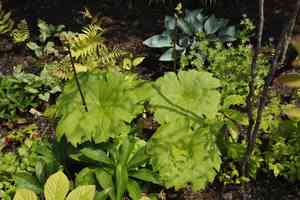
For shieldleaf rodgers flower, the period from late spring's peak to the beginning of early summer offers ideal conditions for relocation, due to consistent climatic circumstances. This plant flourishes in filtered light, in protected locations. Gradually introduce it to its new environment for best development.
Preparations Required Before Relocating Shieldleaf Rodgers Flower?
Optimal Period for Transplanting Shieldleaf Rodgers Flower?
The perfect time to move shieldleaf rodgers flower is during the warmth of late spring or early summer. This timing allows shieldleaf rodgers flower's root system to settle into the mild soil and benefit from extended daylight and the upcoming vigorous growth season. Introducing this beautiful perennial during this window ensures a smooth adjustment to its new setting, guaranteeing a seamless transition and vibrant development. Embrace this process; your shieldleaf rodgers flower will reward you with its full splendor!
Recommended Spacing Between Shieldleaf Rodgers Flower Plants?
When relocating shieldleaf rodgers flower, ensure a distance of approximately 2-3 feet (0.6-0.9 meters) between individual plants. This spacing permits them to grow and expand without competing for nutrients and room.
Ideal Soil Blend for Shieldleaf Rodgers Flower Relocation?
For shieldleaf rodgers flower, select a rich, well-draining soil. Prior to planting, incorporate some organic compost into the soil. This acts as an excellent foundational fertilizer, meeting shieldleaf rodgers flower's nutritional requirements.
Where to Replant Your Shieldleaf Rodgers Flower?
Choose a spot where shieldleaf rodgers flower will receive partial shade to full sun. Morning sunlight is preferable as it is less intense. Avoid moving shieldleaf rodgers flower into harsh afternoon sun, as this can cause the plant to wilt.
Equipment Needed Before Transplanting Shieldleaf Rodgers Flower?
Gardening Gloves
To safeguard your hands while handling soil and plants.
Shovel or Spade
This tool will be used to carefully excavate the shieldleaf rodgers flower plant from its original spot, keeping the root ball intact.
Garden Trowel
Useful for more precise, controlled digging when placing the shieldleaf rodgers flower in its new location.
Watering Can
Utilized for hydrating the plant before and after its relocation.
Mulch
Helps maintain soil moisture, regulate ground temperature, and suppress weed growth.
Compost
This enriches the soil structure and boosts its fertility, aiding the shieldleaf rodgers flower plant's growth.
How to Extract Shieldleaf Rodgers Flower from the Soil?
How to Extract Shieldleaf Rodgers Flower from the Soil?
From Ground: First, lightly water the shieldleaf rodgers flower plant in its current spot; this makes the soil easier to manage and reduces plant stress. Next, dig a generous trench around the plant with your shovel or spade, being careful not to cut into the plant's root system. Then, work the spade beneath the root ball and gently lift the plant.From Pot: Begin by turning the pot on its side, then grip the shieldleaf rodgers flower plant as close to the soil line as possible to prevent damage. If the plant doesn't slide out, gently tap the pot's base until it does. Be cautious not to forcefully pull the plant, as this could harm the roots.From Seedling Tray: Loosen the soil around the shieldleaf rodgers flower seedling by gently squeezing the cell's base. Then, carefully lift the seedling by its leaves, not the stem, to avoid damaging the plant. Gently remove the seedling so that the roots and soil come out as a single unit.
Detailed Steps for Transplanting Shieldleaf Rodgers Flower
Hole Preparation
Dig a hole that is sufficiently deep and wide to comfortably accommodate the shieldleaf rodgers flower plant's root system. It should be deep enough for the plant to sit at the same level as its previous spot and twice as wide as the root ball.
Plant Placement
Position the shieldleaf rodgers flower plant into the hole, ensuring it's at the correct depth. Confirm that the top of the root ball is level with the surrounding soil surface.
Backfilling
Refill the hole with the excavated soil, gently firming the soil around the base of the shieldleaf rodgers flower plant without excessive compaction. This helps provide stability for the plant.
Watering
Thoroughly water the shieldleaf rodgers flower plant immediately after transplanting to help settle the soil around the roots and minimize transplant shock.
Mulching
Apply a layer of mulch around the plant's base to retain moisture and regulate soil temperature.
Post-Transplant Care for Shieldleaf Rodgers Flower
Watering
Ensure the soil remains moist but not waterlogged. This should be done more frequently during the initial two weeks following transplanting while the shieldleaf rodgers flower plant establishes itself.
Monitoring
Watch for any indications of transplant shock, such as yellowing leaves, wilting, or stunted growth. These could signal that the plant is not adapting well to its new environment. If observed, consulting a horticultural expert would be beneficial.
Pruning
If the shieldleaf rodgers flower plant had any damaged or decaying parts before transplantation, trim these after relocation to encourage healthy growth.
Resolving Common Issues with Shieldleaf Rodgers Flower Transplantation.
When is the ideal time to transplant my shieldleaf rodgers flower?
The best period to transplant your shieldleaf rodgers flower is during the latter part of the growing season to the beginning of the dormant season, typically from late summer to early fall.
What is the correct spacing for shieldleaf rodgers flower during transplanting?
For optimal development, ensure a spacing of approximately 2-3 feet (0.6 - 0.9 meters) between each shieldleaf rodgers flower when transplanting.
Why is my transplanted shieldleaf rodgers flower wilting?
Wilting can occur if the shieldleaf rodgers flower is either overwatered or underwatered after transplant. Ensure the soil remains moist but not excessively saturated.
Can shieldleaf rodgers flower be divided during transplanting? How is it done?
Yes, shieldleaf rodgers flower can be divided during transplanting. Gently separate the plant into smaller sections, making sure each has its own roots, then replant.
What kind of soil is suitable for shieldleaf rodgers flower during transplanting?
Shieldleaf rodgers flower thrives in well-drained, fertile soil enriched with compost or organic matter. An acidic to neutral pH is beneficial.
Does shieldleaf rodgers flower need immediate watering after transplanting?
Yes, thorough watering is crucial right after transplanting to help the shieldleaf rodgers flower settle into its new location.
What precautions should be taken when removing the shieldleaf rodgers flower from its current spot for transplanting?
When removing shieldleaf rodgers flower for transplant, be careful not to harm the root system. Try to keep as much of the root ball intact as possible.
Why is my transplanted shieldleaf rodgers flower not producing flowers?
Lack of blooming could be due to transplant shock or insufficient sunlight. Shieldleaf rodgers flower requires partial to full shade for flowering.
Do I need to prune shieldleaf rodgers flower before or after transplanting?
Trimming dead or excessive growth before transplanting can help shieldleaf rodgers flower direct its energy towards establishing itself in the new location.
What is the best way to ensure the survival of shieldleaf rodgers flower after transplanting?
Consistent watering and mulching to retain moisture, combined with occasional fertilization, can help ensure your transplanted shieldleaf rodgers flower flourishes.



