How to Transplant Chinese astilbe?
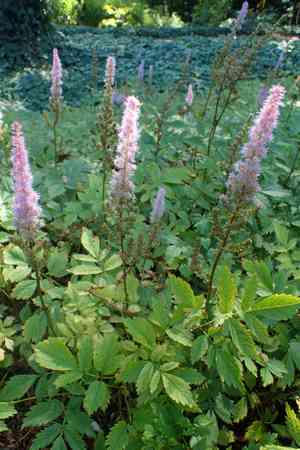
Chinese astilbe flourishes when relocated between late spring and early summer, or late autumn and early winter, as these periods offer ideal growing circumstances. It favors a spot with partial shade and soil that is consistently damp yet drains effectively.
Essential Preparations Before Relocating Chinese Astilbe?
Optimal Timing for Moving Chinese Astilbe?
The best time to move chinese astilbe is from mid to late spring or from late autumn until winter begins. This schedule allows the plant to establish roots in cool, damp soil, boosting its growth and hardiness. Moving it during these seasons reduces stress on chinese astilbe and ensures prime growing conditions.
Required Spacing Between Chinese Astilbe Plants?
When relocating chinese astilbe, ensure a distance of 18-24 inches (45-60 cm) between them. This spacing provides ample room for each plant to develop and promotes good air circulation, which helps prevent disease.
Ideal Soil Blend for Chinese Astilbe Relocation?
Prepare the soil by ensuring it drains well and is rich in organic material. Incorporate compost or a balanced base fertilizer to supply nutrients. Chinese astilbe thrives best in slightly acidic to neutral soil (pH 5.5-7.0).
Where to Position Your Chinese Astilbe?
Chinese astilbe prefers areas with partial to full shade. Select a garden spot that receives some morning sun but is shielded from intense afternoon sunlight. This will help the plant flourish without getting scorched.
Equipment Needed Before Relocating Chinese Astilbe?
Gardening Gloves
To safeguard your hands while handling soil and plants.
Shovel or Spade
For excavating the plant from its original spot and preparing its new location.
Garden Trowel
Useful for working closely around the plant and its root system.
Watering Can or Hose
To hydrate the plant before and after its transfer.
Mulch
Helps maintain soil moisture after the transplant.
Wheelbarrow (Optional)
For moving the plant if it is large or heavy.
How to Extract Chinese Astilbe from the Ground?
How to Extract Chinese Astilbe from the Ground?
From Ground: First, moisten the soil around the chinese astilbe plant by watering it. Then, using a shovel or spade, dig a wide trench around the plant, making sure the root ball stays intact. Carefully work the spade beneath the root ball to lift the plant from its initial position.From Pot: Gently tap the pot's sides to loosen the soil. Turn the pot sideways and carefully slide out the chinese astilbe plant, supporting the stem's base and root ball with your hand. If the plant is root-bound, gently separate the roots with your fingers.From Seedling Tray: Water the seedlings a few hours prior to transplanting to facilitate removal. Use a garden trowel to lift the seedlings, holding them gently by their leaves or root ball, avoiding pulling by the stem.
Step-by-Step Guide for Relocating Chinese Astilbe
Excavating the Hole
At the new site, dig a hole that is twice as wide and the same depth as the root ball of the chinese astilbe plant.
Improving the Soil
If necessary, enrich the soil with organic matter to enhance drainage and nutrient content.
Positioning the Plant
Place the chinese astilbe plant in the center of the hole, ensuring the top of the root ball is level with the surrounding ground.
Backfilling
Gently refill the hole with soil around the root ball, lightly firming it to remove air pockets without compacting it.
Watering
Water thoroughly to help the soil settle and eliminate air pockets around the roots.
Applying Mulch
Spread a layer of mulch around the plant's base to help retain moisture and regulate soil temperature.
Post-Transplant Care for Chinese Astilbe?
Watering
Keep the soil around the chinese astilbe consistently damp, but not waterlogged, for the initial weeks after transplanting to encourage strong root development.
Monitoring
Regularly check the plant for signs of stress, such as wilting or yellowing leaves, and adjust care as needed.
Mulching
Replenish mulch as necessary to maintain a 2-3 inch layer around the plant to conserve moisture and reduce weed competition.
Protection
Consider using a temporary shade cloth if the plant shows signs of sun stress during the first few days or weeks after transplanting.
Resolving Common Issues with Chinese Astilbe Relocation.
When is the best time to move chinese astilbe?
The ideal periods are late spring to early summer, or late fall to early winter.
How much space do chinese astilbe plants require?
Space them 18-24 inches (45-60 cm) apart for optimal growth and airflow.
What soil type is best for relocating chinese astilbe?
Use well-draining, loamy soil enriched with organic matter like compost or aged manure.
How do I prepare chinese astilbe for relocation?
Water the plant thoroughly a day before and dig a generous root ball around it.
Which relocation technique minimizes plant shock?
Move on cool, overcast days or late afternoons to reduce stress and dehydration.
Should I trim chinese astilbe before relocating?
Lightly prune damaged or dead leaves to allow the plant to focus on root establishment.
How deep should the relocation hole be for chinese astilbe?
Dig a hole double the width and equal depth as the plant's root ball.
How can I prevent root-bound issues when relocating chinese astilbe?
Gently tease or trim any circling roots before placing the plant in its new location.
Do chinese astilbe need feeding after relocation?
Apply a balanced fertilizer or root stimulator to encourage strong root development.
What is the post-relocation care for chinese astilbe?
Keep soil consistently moist but not waterlogged, and mulch to retain moisture and regulate temperature.



