How to Transplant Cast-iron plant?
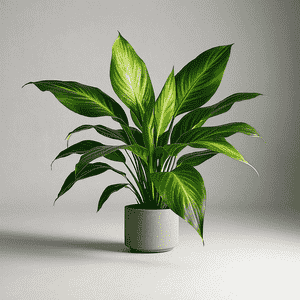
For best results, relocate the cast-iron plant between early spring and late winter, as this period encourages robust root and leaf development. Select a site featuring soil that drains effectively and offers partial to complete shade. Should it be necessary, supply additional mulch coverage during the procedure to guarantee a flourishing specimen.
What Preparations are Needed Before Transplanting Cast-iron Plant?
What is the Ideal Time for Transplanting Cast-iron Plant?
The period from early spring to late autumn is the most suitable for relocating cast-iron plant. This timing allows the young plant to establish itself robustly, improving its resilience for subsequent seasons.
How Much Space Should You Leave Between Cast-iron Plant Plants?
When moving cast-iron plant, provide ample room for growth by spacing them 2-3 feet (60-90 cm) apart. This ensures each plant has sufficient area for leaf and root expansion, enabling them to thrive.
What is the Best Soil Mix for Cast-iron Plant Transplanting?
For cast-iron plant, prepare the soil using a well-draining, nutrient-rich mixture. Incorporate a slow-release, balanced fertilizer with equal parts Nitrogen, Phosphorus, and Potassium (N-P-K) for optimal outcomes. This supplies vital nutrients for healthy development.
Where Should You Relocate Your Cast-iron Plant?
When choosing a spot for cast-iron plant, select an area with low to moderate light, such as a shaded or partially shaded location. This plant flourishes in indirect sunlight, so ensure it's protected from intense direct sun exposure, which can damage its foliage.
What Equipments Should You Prepare Before Transplantation Cast-iron Plant?
Garden Spade
A smaller gardening tool excellent for digging planting holes, shifting small quantities of earth, and even removing weeds.
Gardening Gloves
To safeguard your hands while handling soil and plants.
Wheelbarrow
For moving the cast-iron plant from its original spot to its new home.
Watering Can
To irrigate the cast-iron plant once it has been moved to its new location.
Mulch
A covering layer for the soil surface after transplantation that will help retain soil moisture.
Compost
Organic material that will supply the necessary nutrients for root development.
Hand Trowel
For scooping or moving small amounts of soil; can be used to extract the plant from a smaller container.
How Do You Remove Cast-iron Plant from the Soil?
How Do You Remove Cast-iron Plant from the Soil?
From Ground: First, moisten the cast-iron plant's soil. Then, carefully dig around the plant with a spade, avoiding damage to the root system. Aim to keep the root ball as intact as possible for a smooth transfer.From Pot: Water the cast-iron plant before moving it to facilitate removal. Turn the pot sideways, grasp the plant's stem, and tap the pot's base to slide it out.From Seedling Tray: Gently lift cast-iron plant seedlings using a hand trowel. Hold the seedling by its leaves, not the stem, and carefully raise it, ensuring the roots remain undamaged.
Step-by-Step Guide for Transplanting Cast-iron Plant
Digging
Excavate a hole twice the width of your cast-iron plant's root ball and of equal depth.
Placing the plant
Position the plant in the hole so the top of the root ball is level with the soil surface.
Refilling
Backfill the planting hole with a mixture of garden soil and compost.
Watering
Generously water the cast-iron plant immediately after planting.
Mulching
Apply a layer of mulch around the plant to conserve moisture and deter weeds, but ensure it doesn't touch the plant stem to prevent rot.
How Do You Care For Cast-iron Plant After Transplanting?
Frequency ofWatering
Cast-iron plant requires immediate watering post-transplant. Afterward, maintain consistently moist but not waterlogged soil.
New Growth
Monitor for new growth, as this indicates the cast-iron plant is establishing well. If the plant shows signs of stress, increase watering frequency.
Checking roots
If roots appear on the soil surface around the plant, it might suggest insufficient planting depth or suffocation. Address this by adding soil around the plant.
Fertilizer
Wait several weeks before applying a slow-release fertilizer to prevent root burn.
Troubleshooting Common Issues with Cast-iron Plant Transplantation.
What's the right time to transplant cast-iron plant?
The optimal period for transplanting cast-iron plant spans from early spring through late winter. This aids the plant in developing its root system before its active growth phase.
How much space should be between transplanted cast-iron plant specimens?
Each cast-iron plant should be positioned approximately 2-3 feet (60-90 cm) apart to allow ample room for adequate growth and proper air circulation.
What should the ideal condition of the soil be for cast-iron plant transplantation?
Cast-iron plant thrives in well-drained soil enriched with organic matter. The soil should not be excessively dry or overly saturated. Verify the soil's moisture level prior to transplantation.
How can I prevent transplant shock in cast-iron plant?
To minimize transplant shock, thoroughly water the cast-iron plant after transplantation. Also, ensure the newly planted cast-iron plant is shielded from intense direct sunlight for a few days.
Should I trim roots or leaves of cast-iron plant before transplanting?
Pruning is generally not needed for transplanting cast-iron plant. However, if roots or leaves show damage, you may gently trim them to encourage healthier development.
Can I directly transplant cast-iron plant to a large pot?
Yes, you can, but avoid overly large containers. Transplanting cast-iron plant into a pot slightly larger than its root-ball is ideal. This promotes superior root development and moisture regulation.
How deep should I plant the cast-iron plant in its new location?
Plant cast-iron plant at the same depth it was previously growing. The top of the root-ball should be level with the surface. This helps maintain the plant's health.
Which way is up when planting the cast-iron plant rhizomes?
Rhizomes do not inherently have an up or down orientation. However, when planting cast-iron plant rhizomes, orient any sprouts upwards. Do not bury the rhizomes too deeply; approximately 2 inches (5 cm) is perfect.
How often should I water cast-iron plant after transplantation?
Water generously after transplantation. However, once established, cast-iron plant is drought-tolerant. Always allow the top inch (2.5 cm) of soil to dry out between waterings.
Any steps to follow after transplanting the cast-iron plant?
After transplanting cast-iron plant, apply a layer of mulch around the base to retain moisture and stabilize soil temperature. Consistent watering is crucial until the plant becomes established.



