How to Transplant Foxtail fern?
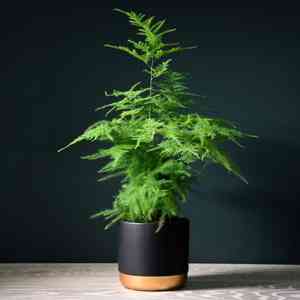
The most suitable period for relocating foxtail fern is from late spring to early summer, since elevated temperatures stimulate fresh development. Confirm that foxtail fern is situated in an area with good drainage and ample, indirect illumination. Should it be necessary, offer additional attention in the first few weeks following transplantation to foster robust root development.
Preparations Required Before Relocating Foxtail Fern?
Optimal Period for Moving Foxtail Fern?
The prime window for relocating foxtail fern spans from late spring to early summer. This favorable timeframe provides foxtail fern ample opportunity to adjust to its new environment, promoting its overall vitality and encouraging robust development. By carefully moving foxtail fern during this period, you also foster conditions beneficial for root establishment – a crucial step before the transplanting process. Your foxtail fern will flourish for years to come!
Recommended Spacing Between Foxtail Fern Plants?
When relocating foxtail fern, ensure a separation of 12-18 inches (30-45 cm) between each plant. This allows sufficient room for individual growth and flourishing!
Ideal Soil Blend for Foxtail Fern Relocation?
To prepare the soil for your foxtail fern, incorporate organic materials like compost or peat moss. Utilize a well-draining, loamy soil, and enrich the base with a slow-release balanced fertilizer.
Preferred Location for Your Foxtail Fern?
For a thriving foxtail fern, select a spot that receives bright, filtered sunlight or partial shade. Avoid placing your foxtail fern in areas with intense direct sun or deep shade.
Equipment Needed Before Transplanting Foxtail Fern?
Shovel or Spade
Crucial for excavating holes in pots, seedling trays, or the ground for transplantation.
Gardening Gloves
To safeguard your hands while handling soil and foxtail fern.
Pruning Shears
Useful for trimming any dead or damaged fronds from the foxtail fern prior to transplanting.
Watering Can
For hydrating the plant before and after its relocation.
Wheelbarrow
Perfect for transporting the foxtail fern from its original spot to the new site.
Organic Mulch
Mulch aids in retaining soil moisture post-transplantation.
How to Extract Foxtail Fern from the Soil?
How to Extract Foxtail Fern from the Soil?
From Ground: First, lightly water your foxtail fern plant to facilitate easier removal. Dig a wide circle around the plant with the spade, ensuring its root ball remains undamaged. Gently work the spade beneath the root ball, taking care not to harm any roots, and carefully lift the plant from its initial position. From Pot: Thoroughly water the pot and allow it to drain. This helps keep the root ball intact. Turn the pot on its side, gently tap the base to release the plant. If needed, you can carefully run a knife along the pot's inner edge to loosen the soil. From Seedling Tray: Water the seedlings. Using a blunt stick or similar tool, gently loosen the seedling and its surrounding soil without pulling the plant, as this could injure the roots. Lift the seedling by its leaves, not the stem.
Detailed Steps for Transplanting Foxtail Fern
Digging the Hole
The excavation should be twice the width of the foxtail fern's current root ball and of equal depth.
Positioning the Plant
Place the foxtail fern in the hole, ensuring its roots spread outward, not coiled or twisted. The top of the root ball should be level with the surrounding ground.
Backfilling Soil
Carefully refill the hole with soil. The aim is to eliminate air pockets without overly compacting the soil around the plant.
Watering
Once planted, thoroughly soak the soil around the foxtail fern using your watering can, ensuring water reaches its roots.
Post-Transplanting Care for Foxtail Fern
Watering
For the initial weeks, maintain consistent moisture in the soil around the foxtail fern, but avoid saturation. This helps foxtail fern establish robust roots in its new location.
Trimming
Regularly inspect your foxtail fern for dead or yellowed fronds; snip them at the base to encourage fresh growth.
Mulching
Apply a layer of organic mulch around your foxtail fern, but keep it away from direct contact with the stem. Mulch can help retain soil moisture and suppress weeds.
Monitoring
Transplanted plants experience stress, so watch for signs of disease or pests. If an infestation appears, act quickly with an organic pest control solution.
Addressing Common Issues with Foxtail Fern Transplantation.
When is the best time to move foxtail fern?
The most favorable period to relocate foxtail fern is from late spring to early summer.
What spacing should I allow for each foxtail fern during relocation?
You should provide a distance of approximately 12-18 inches (30-45 cm) between each foxtail fern transplant to enable full, healthy development.
What soil type does foxtail fern prefer after being moved?
Foxtail fern thrives in well-draining soil. It generally prefers a pH between 6.1 to 6.5 (slightly acidic) to 6.6 to 7.5 (neutral).
Can I transplant foxtail fern into a container?
Absolutely! Foxtail fern adapts well to pots, provided you use a well-draining soil mix and the container has adequate drainage holes.
Should I prune foxtail fern branches during relocation?
Not necessarily, unless the fronds are excessively long or damaged. Trimming the fronds of foxtail fern can make the plant more compact.
How much should I water foxtail fern after relocation?
Water foxtail fern thoroughly immediately after transplanting. Afterward, keep the soil consistently moist but avoid waterlogging.
Should I fertilize foxtail fern during relocation?
It's generally best to wait a few weeks after transplantation before fertilizing foxtail fern. Fertilizing too soon can cause shock.
How much light does foxtail fern require post-relocation?
Foxtail fern enjoys bright, indirect light. Excessive direct sunlight can scorch the leaves and stress the plant.
Can I relocate foxtail fern in the fall?
It's possible, but not ideal. Since foxtail fern performs best when moved in late spring to early summer, it's preferable to wait if feasible.
What if my relocated foxtail fern appears yellow or droopy?
Your foxtail fern might be overwatered, underwatered, or receiving too much sun. Check its moisture levels, light exposure, and ensure proper drainage.



