
Foxtail fern (Asparagus densiflorus)
Also known as: Asparagus fern, Sprenger's asparagus
Asparagus densiflorus, commonly known as the Foxtail Fern, is a close relative of asparagus. This plant is often valued in floral arrangements for its lush, dense, and tall plumes.
Attributes of Foxtail fern
Images of Foxtail fern
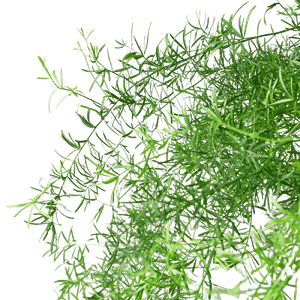
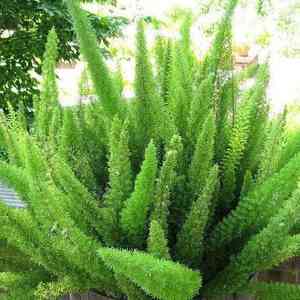
Quickly Identify Foxtail fern
Scientific Classification of Foxtail fern
Planting and Growing of Foxtail fern
 How to Water Foxtail fern?
 What Are the Sunlight Requirements for Foxtail fern?
 What Is the Ideal Temperature Range for Foxtail fern?
 What Soil is Best for Foxtail fern?
 How to Fertilize Foxtail fern?
 How to Prune Foxtail fern?
 How to Propagate Foxtail fern plant?
 How to Repot Foxtail fern plant?
Toxicity of Foxtail fern
Is Foxtail fern toxic to cat?
The delicate and airy fronds of the foxtail fern (Asparagus densiflorus) often attract playful cats, yet this plant poses a mild to moderate risk of poisoning through skin contact and ingestion. The leaves may lead to skin irritation, as well as intense vomiting and diarrhea. Please consult your veterinarian if your cat comes into contact with a foxtail fern.
Is Foxtail fern toxic to dog?
Foxtail ferns possess mild toxicity for dogs. Given that this is a frequently encountered houseplant, dogs may easily come into contact with it. To ensure their safety, it's best to keep these plants out of reach of pets, as touching the leaves or sap may result in a skin rash. Ingesting any part of the plant, including stems, leaves, and fruits, can cause symptoms such as vomiting, diarrhea, and overall gastrointestinal discomfort. Fortunately, foxtail ferns are seldom eaten in significant amounts, making severe reactions quite rare.



