How to Transplant Marguerite daisy?
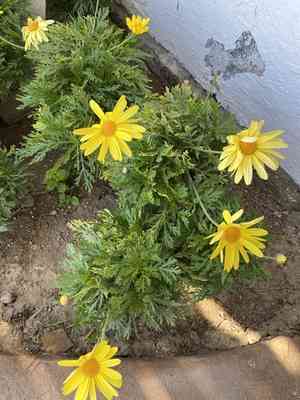
Relocate marguerite daisy during the pleasant window from early spring to late summer for peak development. Select a location featuring soil that drains effectively and abundant sunlight. To ensure marguerite daisy flourishes, allow sufficient distance between specimens and carefully untangle the root ball when moving.
What Preparations are Needed Before Transplanting Marguerite Daisy?
What is the Ideal Time for Transplanting Marguerite Daisy?
The optimal period for relocating marguerite daisy spans from early spring's budding phase through the diminishing warmth of late summer. This timeframe provides an ideal mix of moderate temperatures and abundant sunlight, allowing marguerite daisy to establish strong roots and thrive. You'll enjoy its vibrant floral display sooner and for extended periods compared to planting in other seasons. So, let's get those hands dirty and begin transplanting during the best season; you won't regret it!
How Much Space Should You Leave Between Marguerite Daisy Plants?
For marguerite daisy, it's best to position them approximately 6-12 inches (15-30 cm) apart. This will provide sufficient room for growth without overcrowding.
What is the Best Soil Mix for Marguerite Daisy Transplanting?
To prepare the soil for marguerite daisy, incorporate some well-decomposed compost or aged manure. This will create a rich, well-draining medium perfect for their development. Add a slow-release granular fertilizer to give them a strong start.
Where Should You Relocate Your Marguerite Daisy?
Select a location with full sun or partial shade for marguerite daisy. They flourish with 6-8 hours of daily sunlight. Ensure the area drains well and doesn't retain water, as this can lead to root rot.
What Equipments Should You Prepare Before Transplantation Marguerite Daisy?
Gardening Gloves
To safeguard your hands while working with soil and handling the marguerite daisy plant.
Trowel
For digging into the earth to extract or place the marguerite daisy plant.
Shovel or Spade
If the marguerite daisy plant is situated in the ground, these tools will be useful for excavating around and beneath the plant.
Pruning Shears
To trim any damaged or unhealthy-looking roots or stems.
Watering Can
To hydrate the plant before and after its relocation.
Wheelbarrow or Pot
To gently move the marguerite daisy plant from its original spot to the new one.
How Do You Remove Marguerite Daisy from the Soil?
How Do You Remove Marguerite Daisy from the Soil?
From Ground: First, water the marguerite daisy plant to moisten the soil, which facilitates removal. Very carefully, using a shovel or spade, dig a circle around the plant, ensuring the root ball remains intact. Make sure to dig deep enough to include the root ends, then lift the plant from the ground.From Pot or Container: Adequately water the marguerite daisy plant so the soil is damp. Gently turn the pot on its side and tap the edges to loosen it. Afterward, slide the plant out while keeping a hand on the base to prevent it from falling.From Seedling Tray: If the marguerite daisy plant is a seedling, ensure the soil is sufficiently damp, then carefully pull out the plant by holding onto the seedling leaves, not the stem. Gently shake off any excess soil from the roots.
Step-by-Step Guide for Transplanting Marguerite Daisy
Preparation
Begin by watering the marguerite daisy plant in its initial location. This makes the plant easier to extract and will also lessen the shock of transplantation.
Digging
At the new site, excavate a hole that is twice the size of the root ball. This provides the roots ample room to spread and establish themselves.
Placement
Position the marguerite daisy plant in the hole, ensuring the top of the root ball is level with the ground—it should not be planted too deep or too shallow.
Backing
Backfill the hole, making sure the soil is packed around the roots without large air pockets.
Watering
After the marguerite daisy plant has been placed and the hole filled, water it generously immediately after transplanting to help it settle.
How Do You Care For Marguerite Daisy After Transplanting?
Watering
Following the planting of marguerite daisy, it's crucial to keep the soil moist but not waterlogged. Consistent watering encourages growth and will help your relocated plant thrive.
Pruning
Monitor your marguerite daisy plant; if any leaves or stems start to wilt, do not hesitate to prune them. This helps maintain the plant's health.
Checking
Regularly inspect the base of the marguerite daisy plant to ensure it is not buried too deeply or emerging from the soil.
Protection
Shield the marguerite daisy plant from strong winds and extreme temperatures for a few weeks post-transplant. This allows the plant to acclimate to its new spot without added stress.
Troubleshooting Common Issues with Marguerite Daisy Transplantation.
When is the best time to transplant marguerite daisy?
Relocate marguerite daisy ideally between the onset of spring and the close of summer. This provides the plant sufficient time to develop roots before colder temperatures arrive.
How much space should I leave between each marguerite daisy during transplantation?
As a general guideline, maintain a distance of 6-12 inches (15-30 cm) between each marguerite daisy during transplantation to foster healthy growth and air circulation.
What's the best soil requirement for transplanting marguerite daisy?
Marguerite daisy flourishes in well-drained soil with a slightly acidic pH. Enriching your garden bed with compost can enhance soil fertility and aeration.
Does marguerite daisy need immediate watering after transplantation?
Absolutely! Watering marguerite daisy immediately after transplantation helps to settle the soil around the roots and facilitates prompt nutrient uptake.
Should I prune marguerite daisy before transplanting?
Yes, it's advisable to trim back the marguerite daisy by about one-third prior to transplanting. This reduces stress on the plant and promotes vigorous regrowth.
Why are my transplanted marguerite daisy looking wilted or brown?
Wilted or brown leaves might indicate transplant shock. Ensure adequate watering and avoid excessive sunlight to help your marguerite daisy recover quickly.
What depth should the marguerite daisy be planted when transplanting?
Plants like marguerite daisy should be transplanted at the same depth they were previously growing. This ensures the roots are properly covered and protected.
Do I need to harden off marguerite daisy before transplanting?
Yes, gradually exposing marguerite daisy to outdoor conditions over the course of a week before transplanting can significantly lower the risk of transplant shock.
Can transplanting cause marguerite daisy to stop blooming?
Transplant shock can temporarily halt blooming. Minimize stress by watering adequately and protecting it from excessive sun or extreme temperatures.
What to do if marguerite daisy doesn't show signs of growth post-transplant?
Patience is crucial! Sometimes, plants like marguerite daisy prioritize root development before exhibiting new growth. Maintain proper care and wait for a few weeks.



