How to Transplant Soursop?
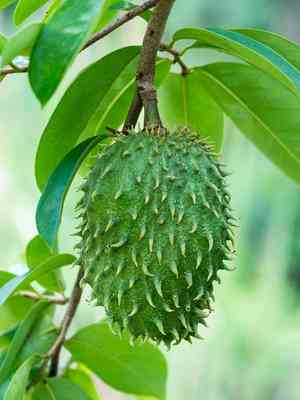
The arrival of warmer weather at the start of spring is ideal for transplanting soursop. Select a bright location featuring soil that drains effectively. Should you be relocating a mature specimen, trim carefully to compensate for any root damage and facilitate its adjustment.
Essential Preparations Before Relocating Soursop
Optimal Timing for Soursop Relocation?
Early to mid-spring marks the perfect period for transplanting soursop. Mild, consistent temperatures and adequate moisture aid root establishment. During this season, nature revives, providing soursop with the gentle warmth and extended daylight crucial for vigorous development. Moving soursop now ensures it settles comfortably before summer's heat. This strategic timing allows soursop to develop a robust root system, vital for enduring future environmental challenges. Undertake this task during spring's embrace to see soursop thrive in its new home!
Required Spacing Between Soursop Plants?
When transplanting our cherished soursop, allocate ample individual space for each plant. An optimal distance is 15-20 feet (4.6-6.1 meters) between them. This guarantees sufficient sunlight and room for growth.
Best Soil Blend for Soursop Transplanting?
Soursop thrives in loamy soil, mirroring its native tropical environment. Incorporate compost or well-decomposed farmyard manure as a foundational fertilizer with the soil. This provides a nourishing start for soursop.
Where to Replant Your Soursop?
Remember, soursop loves sunlight. Select a spot where it can receive at least six hours of sun daily. The warmth promotes accelerated growth, leading to a healthy soursop! Best of luck with your gardening endeavor!
Equipment Needed Before Soursop Transplantation
Gardening Gloves
To safeguard your hands while handling soil and soursop.
Garden Shovel or Spade
These tools will be used to excavate the new planting site for the soursop and extract the plant from its original spot.
Garden Trowel
A smaller implement useful for digging up soursop when it's in a container or seedling tray.
Watering Can or Hose
Required for hydrating the soursop post-transplantation.
Mulch
This will assist in retaining moisture around the newly planted area.
Stake and Ties/Plant Support
Depending on the soursop's age/size, support may be necessary to help it establish itself in its new location.
How to Extract Soursop from the Soil?
How to Extract Soursop from the Soil?
From Ground: First, moisten the soursop plant's soil to facilitate digging. Then, excavate a wide circle around the plant using a garden shovel or spade, ensuring you dig deep enough to keep the root ball intact. Once you feel you've reached beneath the majority of the roots, gently lift the plant from the ground.From Pot: If your soursop is in a container, water it first, then turn the pot sideways, hold the plant carefully by the stems or leaves, and tap the bottom of its container until the plant slides out. You might need to gently pull the base if the plant seems stuck.From Seedling Tray: Dampen the soil first to make it pliable. Push up from the bottom of the cell or squeeze the sides to release the plant, being careful not to harm the delicate stem or roots.
Step-by-Step Guide for Soursop Transplantation
Preparing the Planting Hole
Dig a hole that is twice the width of the soursop's root ball and approximately the same depth. This provides ample room for the roots to expand in their new environment.
Positioning the Plant
Place the soursop in the center of the hole. The top of the root ball should be level with or slightly below the surrounding soil surface.
Backfilling the Hole
Carefully refill the hole, compacting the soil around the soursop as you go to eliminate large air pockets.
Watering
Water the soursop generously after planting, ensuring the water penetrates the root ball and the surrounding soil.
Applying Mulch
Spread a layer of mulch around the soursop to help maintain soil moisture and inhibit weed growth.
Providing Support
If necessary, install stakes or plant supports and gently secure the soursop, avoiding any damage to the stems or branches.
Post-Transplantation Care for Soursop
Monitoring Moisture Levels
You'll need to closely observe the soursop to ensure it doesn't dry out. Consistent watering is crucial, but avoid overwatering as soursop dislikes sitting in waterlogged soil.
Assessing Leaf Health
Pay attention to the soursop's leaves as they are a good indicator of how well the plant is adapting. Yellowing leaves could signal water stress.
Trimming and Pruning
Light pruning may be beneficial to maintain the plant's shape and remove any damaged branches after transplanting.
Addressing Common Issues with Soursop Transplantation.
What is the ideal season to transplant soursop?
The most suitable period to transplant soursop is between stage S1 and S2.
Why is the recommended spacing for soursop important?
A 15-20 feet (4.5-6 meters) spacing ensures soursop grows and spreads optimally, preventing overcrowding.
How can I prepare the soil for transplanting soursop?
The soil should be well-draining and rich in organic matter. Prepare it by digging a hole that's twice the size of soursop's root ball, then back-fill with compost.
Can I water soursop immediately after transplanting?
Yes, ample watering after transplanting soursop helps it establish faster. Continue consistent watering but avoid water stagnation.
Are there any specific aftercare steps for soursop post-transplanting?
Monitor soursop for any signs of stress or disease, maintain soil moisture, and feed it with a balanced fertilizer for optimum growth.
Do I transplant soursop in direct sunlight?
Soursop prefers a location with full to partial sunlight. If placing in full sunlight, ensure it's regularly watered to prevent drying out.
What's the ideal pot size for transplanting soursop?
The pot should be large enough to accommodate the plant's roots with additional space for growth, approximately 10 inches (25 cm) in diameter.
How do I know if soursop is ready to be transplanted?
When soursop's roots begin to crowd the current pot, or when the plant appears top-heavy, it's a good sign it's ready to be transplanted.
Should I prune soursop before transplanting?
It's recommended to remove any dead or diseased branches prior to transplanting, but avoid significant pruning which could cause stress to soursop.
What is the recommended depth for planting soursop?
When transplanting soursop, ensure the hole is as deep as the root ball and twice as wide. This encourages good root development.



