How to Transplant Cherimoya?
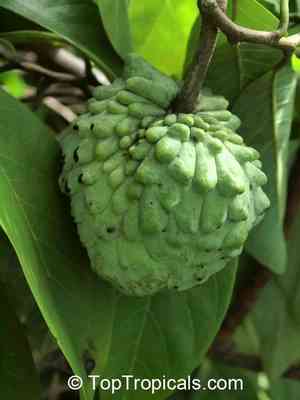
Winter's cold, the period of dormancy, presents an optimal window for relocating cherimoya, minimizing strain on the specimen. Choose a sun-drenched location featuring soil that drains effectively to guarantee a successful transfer. When repositioning an established cherimoya, exercise particular caution to prevent harm to its root structure.
What Preparations are Needed Before Transplanting Cherimoya?
What is the Ideal Time for Transplanting Cherimoya?
The best time to move cherimoya is during its dormant phase, from late winter to early spring. This period is beneficial because cooler temperatures help the plant settle without extreme heat stress, promoting strong root growth. This strategic timing encourages vigorous development as the weather warms, ensuring the cherimoya thrives in its new spot.
How Much Space Should You Leave Between Cherimoya Plants?
When preparing to relocate your cherimoya, ensure ample room. Ideally, space plants approximately 15-20 feet (4.5-6 meters) apart. This spacing allows them sufficient area to grow and flourish.
What is the Best Soil Mix for Cherimoya Transplanting?
For cherimoya, prepare soil that drains effectively. A loamy or sandy soil blend is most suitable. Regarding fertilization, mix a slow-release, balanced fertilizer into the soil before planting. This will aid in developing a strong and healthy plant.
Where Should You Relocate Your Cherimoya?
Sunlight is crucial for cherimoya. Aim to transplant it to a location with full sun to partial shade exposure. However, avoid excessive sun, as intense heat can be harmful. Allow your plant to bask in the sun, but not to scorch.
What Equipments Should You Prepare Before Transplantation Cherimoya?
Gardening Gloves
To safeguard your hands when working with soil and plants.
Trowel
For digging, lifting, and shifting small quantities of soil.
Shovel or Spade
To extract the plant from its original spot with minimal root disruption.
Watering Can
To hydrate the plant both before and after relocation.
Garden Hose
To irrigate the area where you intend to transplant the cherimoya.
Organic Matter or Compost
To enhance the quality of the planting hole.
Wooden Stakes
To offer initial support to the plant after transplantation, if it is a larger specimen.
How Do You Remove Cherimoya from the Soil?
How Do You Remove Cherimoya from the Soil?
From Ground: First, water the area around the cherimoya plant's base to soften the ground. This minimizes root damage during removal. Then, use a shovel to gently dig around the plant, ensuring a trench wide enough to encompass its main root structure. Carefully work the shovel or spade beneath the root ball and slowly lift the plant from its original position.From Pot: Start by watering the pot to reduce plant stress and facilitate easy root ball removal. Next, gently tip the plant sideways, supporting the main stem with one hand. With your other hand, slide the pot off. If the plant is stuck, tap the pot on its side, and the root ball should then release.From Seedling Tray: If the cherimoya is in a seedling tray, first confirm the seedling is healthy and robust enough for transplanting. Water the tray, then carefully lift the seedling by pushing up from the bottom of the cell. Hold the seedling by its leaves to prevent stem damage.
Step-by-Step Guide for Transplanting Cherimoya
Plant Health Assessment
Before transplanting, verify your cherimoya's health. Inspect the plant for significant signs of disease or pest infestation. A healthy plant has a higher chance of surviving post-transplantation.
Prepare the Plant
Thoroughly water the cherimoya in its current location a few hours prior to transplantation. This will lessen root disturbance and keep the plant free from stress.
Prepare the Site
Dig a hole at your chosen transplant site. The hole should be twice the width and the same depth as the cherimoya's root ball.
Plant Placement
Position the plant in the hole, ensuring the root ball is level with the surrounding soil surface. Fill the hole with soil and organic matter, handling the plant gently to avoid damaging stems or roots.
Secure the Plant
If the cherimoya is a larger specimen, provide support with wooden stakes.
Water the Plant
Give your freshly transplanted cherimoya a thorough watering, saturating the soil around the newly filled hole.
How Do You Care For Cherimoya After Transplanting?
Watering
Ensure the soil around the cherimoya remains consistently moist, but not waterlogged. The amount of water needed will depend on your local climate and the plant's size.
Support
If you've used stakes to support your cherimoya, regularly check their effectiveness. Adjust them as needed as the cherimoya grows.
Disease Prevention
Monitor your cherimoya for any indications of disease or pests after transplantation. Early detection is crucial for managing potential problems.
Pruning
Minimal pruning might be necessary after transplanting. Wait until the cherimoya has fully recovered from transplant shock before considering any significant pruning.
Troubleshooting Common Issues with Cherimoya Transplantation.
When is the best season to transplant cherimoya?
The ideal period to move cherimoya is from late spring to early summer, or specifically, S10-S12.
What's the ideal distance between one cherimoya plant and another during transplantation?
To provide cherimoya with adequate room to grow, aim for a separation of 15-20 feet (4.5-6 meters) between each plant.
Why is my transplanted cherimoya not growing well?
Ensure the cherimoya receives sufficient light, water, and nutrients. The issue could also stem from inadequate spacing or incorrect planting depth.
What should I do if the leaves of my transplanted cherimoya turn yellow?
Yellow leaves may indicate waterlogged roots. Ensure proper drainage and avoid overwatering. Also, check the soil pH, as cherimoya prefers slightly acidic conditions.
How deep should the hole be when transplanting cherimoya?
The hole should be twice as wide and precisely as deep as the cherimoya's root ball, ensuring a comfortable fit without undue stress.
What to do if my newly transplanted cherimoya isn't bearing fruit?
Confirm that the cherimoya is mature enough to produce fruit. Plants typically take 3-5 years. Afterward, verify adequate sunlight and nutrient-rich soil for the plant.
Why are the leaves of my transplanted cherimoya drooping?
Drooping leaves can signal shock after transplanting. Try to maintain consistent soil and environmental conditions. The plant should recover over time.
What precautions should I take while transplanting cherimoya?
When transplanting cherimoya, remember to handle it gently, avoiding root damage. Timing is critical; the S10-S12 period is optimal. Also, recall the 15-20 feet spacing requirement.
How much sunlight does cherimoya need after transplantation?
Cherimoya thrives in full sun or partial shade. Avoid harsh, direct sunlight during the initial days post-transplantation to prevent plant stress.
What kind of soil does cherimoya require for successful transplantation?
For cherimoya, well-draining soil rich in organic matter is ideal. It should be slightly acidic. Regular fertilizer application can also promote healthy growth.



