How to Transplant Wild angelica?
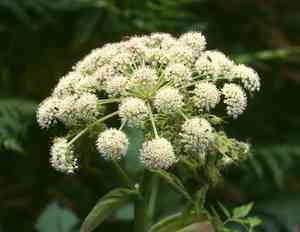
For optimal root development, the ideal period to relocate wild angelica is from the pleasant days of mid-spring through the beginning of early summer. Choose a site that offers partial sun exposure and rich, damp earth. Should it be required, enriching the soil with organic material can prove advantageous.
What Preparations are Needed Before Transplanting Wild Angelica?
What is the Ideal Time for Transplanting Wild Angelica?
The best time for moving wild angelica is when the renewed warmth of late spring is firmly established. This period provides the developing shoots with stable temperatures and damp soil, encouraging strong root growth and easing relocation stress. Transplanting wild angelica during this active growth phase utilizes the season's natural cycles, ensuring the plant can settle and flourish, ready for abundant summer growth.
How Much Space Should You Leave Between Wild Angelica Plants?
As you get ready to rehome wild angelica, remember they will thrive with adequate room. Aim to space them 18-24 inches (45-60 cm) apart. This guarantees each wild angelica has sufficient area to prosper without overcrowding its neighbors – it's like making sure everyone has a comfortable spot at a garden gathering!
What is the Best Soil Mix for Wild Angelica Transplanting?
For your wild angelica to flourish, consider preparing a bed as comfortable as your favorite blanket. Choose well-drained soil rich in organic matter, and incorporate some balanced, slow-release fertilizer before planting, as a nourishing welcome meal for your wild angelica.
Where Should You Relocate Your Wild Angelica?
Like finding a perfect spot with filtered sunlight for a picnic, wild angelica prefers a location where sunlight is a gentle companion. Select a site with partial shade to full sun to best suit wild angelica's requirements, allowing them to enjoy the sun's warmth without becoming overheated.
What Equipments Should You Prepare Before Transplantation Wild Angelica?
Gardening Gloves
To safeguard your hands while handling soil and plants.
Shovel or Garden Spade
For excavating the plant and preparing the new planting site.
Garden Fork
To gently loosen soil around the root mass without harming roots.
Watering Can or Hose
To hydrate the plant before and after its relocation.
Pruning Shears
To trim any damaged or excessively long roots prior to transplanting.
Wheelbarrow or Garden Cart
To move the plant and soil.
Burlap or Tarp
To keep the root ball intact during transport if needed.
How Do You Remove Wild Angelica from the Soil?
How Do You Remove Wild Angelica from the Soil?
From Ground: First, water the wild angelica to moisten the soil. Using a garden fork, carefully loosen the soil surrounding the plant to minimize root damage. Dig a wide circle around the plant with a shovel or spade, then angle the tool beneath the root ball to gently lift out the plant.From Pot: Water the wild angelica to make the soil pliable. Turn the pot on its side and tap the edges to loosen the root ball. Support the plant by holding the base of the stems and carefully slide it out of the pot.From Seedling Tray: Dampen the soil to prevent root damage. Use a spoon or small implement to lift individual wild angelica seedlings by their leaves, not stems, gently separating the roots if they are intertwined.
Step-by-Step Guide for Transplanting Wild Angelica
Preparation
Prepare the new planting location by loosening the soil with a fork to a depth matching the wild angelica's root ball. Clear any weeds or debris from the area. Ensure your new hole is twice as wide as the root ball to allow roots room to spread. Water the hole before transplanting to settle the soil and provide moisture to the roots upon planting.
Transplanting
Position the wild angelica in the center of the prepared hole. The top of the root ball should be level with the surrounding soil surface. Backfill around the root ball with soil, gently pressing it down to remove air pockets without compacting the soil too much, as this can hinder root growth.
Initial Watering
Once in the ground, water the wild angelica generously to help settle the soil around the roots and eliminate air pockets. Use a watering can with a rose attachment to avoid disturbing the soil or plant with a strong water stream.
Staking (if necessary)
If the wild angelica appears top-heavy or is exposed to strong winds, it may be beneficial to stake the plant. Insert stakes outside the root zone and use soft ties to gently secure the stem to the stake without causing damage.
How Do You Care For Wild Angelica After Transplanting?
Monitoring
Check on your wild angelica regularly to ensure it is adapting well. Look for signs of stress, such as wilting or yellowing leaves, and address any issues promptly.
Mulching
Apply a layer of organic mulch around the base of the wild angelica to help retain soil moisture and moderate temperature fluctuations. Keep the mulch a few inches away from the stem to prevent rot.
Support Maintenance
Inspect stakes and ties periodically for stability and to ensure they aren't too tight, adjusting as the wild angelica grows.
Pest and Disease Watch
Keep an eye out for pests and any indications of disease, and use appropriate methods to manage them if they appear. Be cautious with chemical treatments and seek organic or non-invasive options if possible.
Troubleshooting Common Issues with Wild Angelica Transplantation.
What is the best time of year to transplant wild angelica?
The optimal period to transplant wild angelica is from mid-spring through its conclusion.
How much space does wild angelica require when transplanting?
Ensure wild angelica has ample room, about 18-24 inches (45-60 cm) between plants for ideal growth.
Why is my wild angelica wilting after transplanting?
Wilting after transplanting can indicate shock. Revive by providing consistent moisture and avoiding direct sun initially.
How deep should I plant wild angelica when transplanting?
The root ball of wild angelica should be planted at the same depth it was previously growing.
Should I amend the soil when transplanting wild angelica?
Absolutely! Enrich the planting hole with compost to give wild angelica a strong start to growth.
Can wild angelica be transplanted during the flowering stage?
It's risky, as wild angelica can suffer. It's best to transplant before blooming or after seed production.
How often should I water wild angelica after transplanting?
Provide water gently but generously to keep the soil moist, not waterlogged, during the initial weeks.
What should I do if wild angelica's leaves turn yellow after transplanting?
Yellow leaves can suggest stress or excessive watering. Check moisture levels and adjust care accordingly.
How can I protect wild angelica from transplant shock?
Minimize root disturbance during the process and water thoroughly after transplanting to reduce shock.
Is it necessary to prune wild angelica when transplanting?
Trimming isn't mandatory, but removing damaged or overly long roots can encourage healthy growth.



