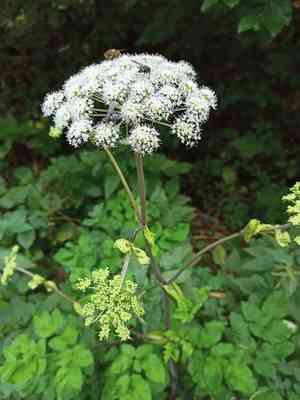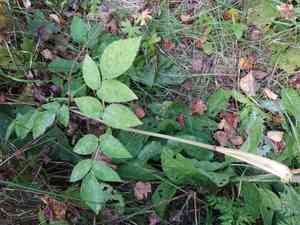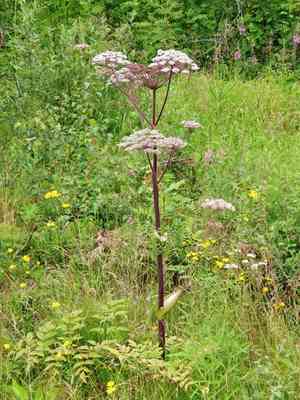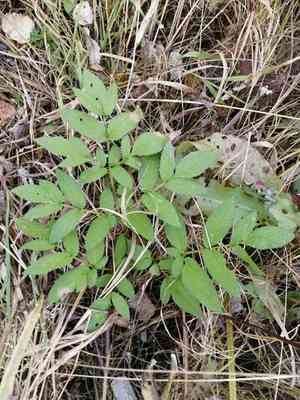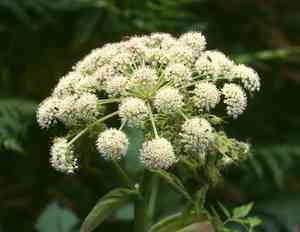
Wild angelica(Angelica sylvestris)

Wild angelica (Angelica sylvestris)

Also known as: Trumpet keck

The sunflower (Helianthus annuus) is a substantial annual or short-lived perennial flower native to Europe and central Asia. It is recognizable by its large flowerheads made up of numerous small flowers. The sunflower has a variety of traditional applications, including uses in oil production and as a food source.

Attributes of Wild angelica

Lifespan
Biennial, Perennial
Plant Type
Herb
Plant Height
2.5 m
Spread
50 cm to 1 m
Leaf Color
Green Purple
Flower Size
8 cm to 15 cm
Flower Color
White Pink Purple Silver

ForwardPlant - Identify plants with a snap

Identify and diagnose plants, get toxicity alerts, and explore safety guides for all types of fungi.

Try for Free

Images of Wild angelica

Wild angelica(Angelica sylvestris)

Quickly Identify Wild angelica

1
Wild Angelica can be identified by its hollow and ridged stems, feathery green leaves, and white or pale pink umbrella-like flower clusters that bloom in late summer.

Scientific Classification of Wild angelica

Phylum
Vascular plants
Class
Dicotyledons
Order
Apiales
Family
Umbellifers
Genus
Angelica
Species
Wild angelica

Planting and Growing of Wild angelica

Care Difficulty
Moderate
Watering Schedule
Every 3 days
Sunlight Requirements
Partial sun
Sunshine Duration
6-10 hours
Ideal Temperature
60-75℉
Soil Type
Potting Mix, Peat Mix
Soil pH
6.5-7.5
Fertilizer Type
Balanced
Pruning Season
Spring, Summer
Pruning Area
Branches, Leaves
Pruning Frequency
2 times a year
Repotting Season
Spring
Pot Type
Plastic, Ceramic

water icon How to Water Wild angelica?

For Angelica sylvestris, water deeply yet infrequently, ensuring each time the soil gets thoroughly moistened. Aim to apply about 500ml of water, though heavily based on the specific environment. The idea is to saturate the soil until water begins to seep out of the drainage holes, ensuring that the roots have access to moisture but aren't sitting in water.
What are the symptoms of an underwatered Wild angelica?
What should I do if my Wild angelica is not getting enough water?
What are the symptoms of an overwatered Wild angelica?
How to save an overwatered Wild angelica?

sunlight icon What Are the Sunlight Requirements for Wild angelica?

Sunlight Requirements: Partial sun, Full sun
Duration of light: 4 to 6 hours
Angelica sylvestris thrives in partial sun to full sun, ideally receiving around 4 to 6 hours of sunlight daily. This balance fosters healthy growth and prolific flowering by emulating the plant's natural habitat conditions.
Question: What is the best location for Angelica sylvestris?
Question: How can I improve light conditions naturally?
Question: Why is light range important for Angelica sylvestris?
More About Sunlight Requirements Techniques

temperature icon What Is the Ideal Temperature Range for Wild angelica?

Ideal Temperature: 60 ~ 75℉
The ideal temperature range for growing Angelica sylvestris is between 60°F and 75°F. Maintaining this temperature range helps to ensure optimal growth, aiding in strong stem development and vigorous leaf production. These temperatures mimic its natural habitat, offering both warmth and cooler nights that the plant enjoys in temperate climates.

soil icon What Soil is Best for Wild angelica?

Soil type: Loam, Sandy loam, Clay soil
Soil PH: 6.5 ~ 7.5
Angelica sylvestris thrives in soil that retains some moisture, as this mimics its natural habitat near streams and wetlands. Adequate moisture helps the plant develop lush foliage and robust stems, essential for its overall health and vigor. This plant flourishes best in nutrient-rich soil. Ample organic matter, such as compost or well-rotted manure, provides necessary nutrients for growth, encouraging both root and shoot development, and boosting resilience against pests and diseases. While it appreciates moisture, Angelica sylvestris can't tolerate waterlogged conditions. Well-drained soil prevents root rot and fungal diseases, ensuring a healthy root system and a thriving plant.

fertilize icon How to Fertilize Wild angelica?

Fertilizer type: Balanced
For Angelica sylvestris, use a balanced liquid fertilizer diluted to half strength. During the growing season, apply approximately 100 ml per plant every month. Avoid direct contact of fertilizer with the plant stem to prevent burning.

prune icon How to Prune Wild angelica?

Pruning Time: Spring, Summer, Autumn
Always begin by sterilizing your pruning tools with alcohol or a disinfectant solution to prevent the spread of disease. This is essential for maintaining plant health, particularly in damp or overgrown areas where bacteria and mold can thrive. Thoroughly inspect your Angelica sylvestris to identify any damaged, diseased, or dead stems and leaves. Removing these parts will help prevent the spread of disease and enable the plant to focus its energy on new, healthy growth. When making cuts, ensure they're at a slight angle to prevent water collection, which can lead to rotting. Cutting next to a bud or a side branch encourages more robust growth and an attractive form. More About Pruning Techniques

propagate icon How to Propagate Wild angelica plant?

Propagate Time: Spring, Early spring
1
To propagate Angelica sylvestris from seeds, start by sprinkling the seeds thinly on the surface of a quality seed-starting mix in trays. Do not cover them too deeply; just sprinkle a little soil on top. Keep the soil consistently moist and place the trays in a shaded, cool area to facilitate germination.
2
For division propagation, carefully dig up an established Angelica plant in early spring. Use a sharp spade or knife to split the plant into smaller sections, ensuring each section has viable roots and shoots. Replant the divisions at the same depth they were growing, and water them well to help them settle.
3
Once the seedlings have developed a couple of true leaves, they can be transplanted to their final location. Acclimatize the seedlings to outdoor conditions by placing them outside during the day and moving them indoors at night. After a week of acclimatization, plant them in well-draining soil and water thoroughly.
More About Propagating Techniques

repot icon How to Repot Wild angelica plant?

Repotting frequency: Every 2-3 years
1
Angelica sylvestris shows signs that it's time to repot when roots start emerging from drainage holes or the plant seems thirsty more often. This suggests the pot is getting cramped and the soil may need renewal. Listen to your plant; it will indicate discomfort by wilting despite regular care.
2
Opt for a pot that's slightly larger than the current one—about 2-4 inches in diameter extra to allow room for growth. Ensure it has adequate drainage holes. Choosing the right pot helps prevent root rot and supports healthy root expansion, crucial for a thriving Angelica sylvestris.
3
Select a well-draining loamy soil that retains enough moisture yet stays airy. This kind of soil ensures the roots get adequate oxygen and aren't waterlogged, providing a balanced environment necessary for robust growth and vibrancy of Angelica sylvestris.

ForwardPlant - Identify plants with a snap

Find the best spots for them to optimize their health, simply using your phone.

Try for Free

Toxicity of Wild angelica

Is Wild angelica toxic to humans?

Wild angelica presents a moderate toxicity hazard to humans, mainly through the consumption of the plant and exposure to its sap. Every part of wild angelica is regarded as toxic if ingested, which can result in symptoms like gastrointestinal pain. Furthermore, the sap includes furanocoumarins, which may trigger allergic reactions upon skin contact. Those exposed may suffer from redness, itching, and blistering due to dermal interaction. It is crucial for individuals to refrain from accidental ingestion of wild angelica and to take care when handling the plant to avoid skin allergic reactions.

Identify toxic plants for your safety

Learn which plants are harmful to you and your pets, and make informed choices for a safer home!

Try for Free
WARNING
The judgment on toxicity and danger is for reference only. We DO NOT GUARANTEE any accuracy of such judgment. Therefore, you SHALL NOT rely on such judgment. It is IMPORTANT TO SEEK PROFESSIONAL ADVICE in advance when necessary.
More About Toxic Techniques